
Arinae
Arinae·Psittacidae
The Arinae, commonly known as neotropical parrots or New World parrots, encompass approximately 150 species found across South and Central America, Mexico, the Caribbean, and the southern United States. These parrots are distinguished by their diverse forms, including iconic macaws, conures, and amazons, and have a long history of interaction with Europeans since their discovery in the late 15th century.
Key Facts
- ›Comprise about 150 species in 32 genera, primarily found in South and Central America.
- ›Include iconic species like macaws, conures, and amazon parrots.
- ›Geographically isolated from other parrots for at least 30-55 million years.
- ›Many species are threatened, with some critically endangered due to habitat loss and the pet trade.
- ›Subdivided into two main clades: long-tailed species (macaws, conures) and short-tailed species (amazons).
- ›Belong to the subfamily Arinae within the family Psittacidae.
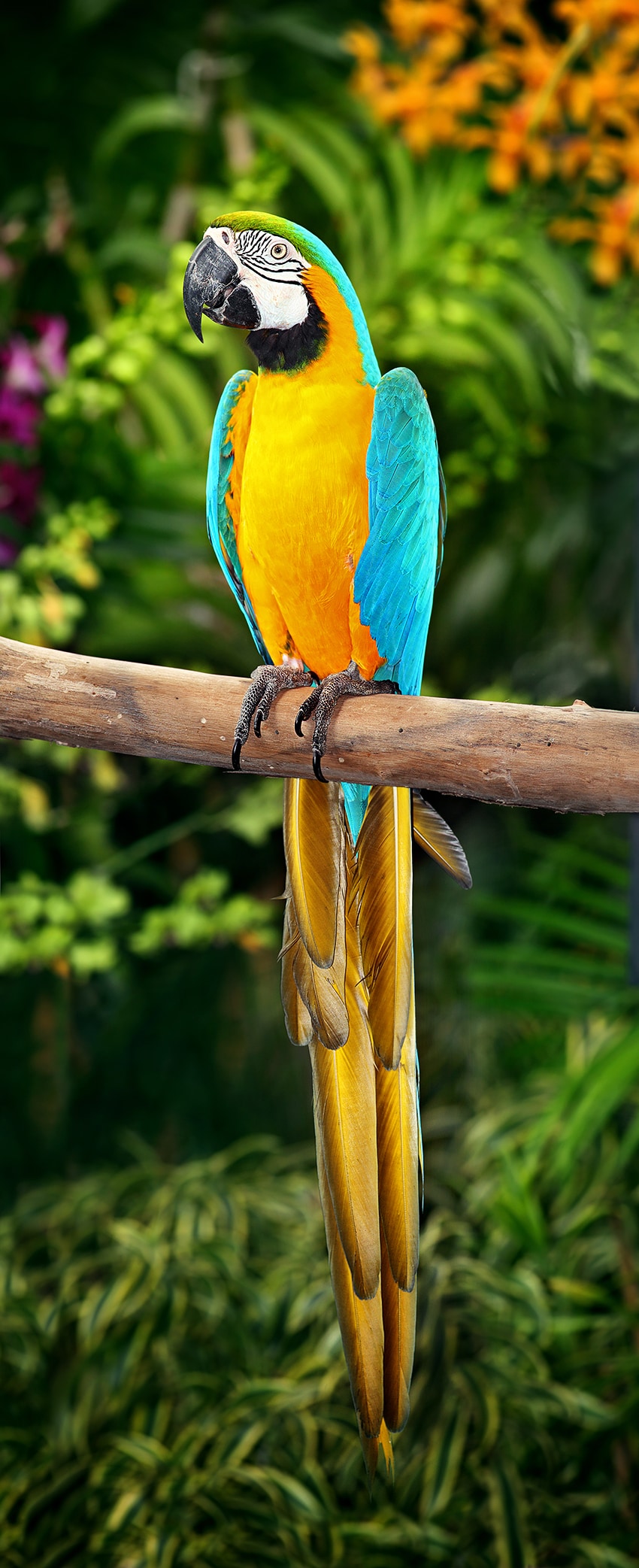
Neotropical Parrots, New World Parrots
South America, Central America, Mexico, Caribbean, Southern United States
Forests, Woodlands, Savannas, Open Country
Long Tails, Short Tails, Vibrant Plumage
Seeds, Fruits, Nuts, Berries, Vegetation
About Arinae
The Arinae: Vibrant Parrots of the Americas
The Arinae, commonly referred to as neotropical parrots or New World parrots, represent a diverse and iconic group of avian species native to the Americas. This subfamily encompasses roughly 150 species distributed across 32 genera, inhabiting regions from South and Central America, through Mexico and the Caribbean, and historically extending into the southern United States. Their presence has been noted by Europeans since the voyages of Columbus in the late 15th century, with early systematic descriptions appearing in the 17th and 18th centuries.
Diversity and Classification
Neotropical parrots are known for their striking beauty and include some of the most recognizable parrots, such as the magnificent macaws, energetic conures, and intelligent amazon parrots. Molecular dating suggests they have been geographically isolated from other parrot lineages for at least 30 to 55 million years. They are further subdivided into two primary evolutionary clades: one characterized by primarily long-tailed species like macaws and conures, and another comprising mainly short-tailed parrots such as amazons. The taxonomy of these parrots is complex and subject to ongoing research, with proposed divisions into tribes such as Arini and Androglossini, alongside other clades.
Conservation Concerns
Despite their widespread distribution and iconic status, a significant portion of neotropical parrot species face considerable threats. Over a third of the extant species are classified as threatened by the IUCN, with several teetering on the brink of extinction. The primary drivers of population decline include extensive habitat loss due to deforestation, the relentless demand from the pet trade, and the impact of introduced predators. Species like the glaucous macaw, Spix's macaw, and the Puerto Rican parrot are among those in critical danger, highlighting the urgent need for conservation efforts.
Source: Wikipedia ↗
Frequently Asked Questions
What are neotropical parrots?
Neotropical parrots, also known as New World parrots, are a diverse group of approximately 150 species found in the Americas. They are characterized by their vibrant plumage and include well-known birds like macaws, conures, and amazon parrots.
Where do neotropical parrots originate from?
These parrots are native to South and Central America, Mexico, the Caribbean islands, and historically the southern United States. They have been geographically isolated from other parrot groups for millions of years.
What are some of the most famous neotropical parrot species?
Among the most familiar and iconic neotropical parrots are the blue and gold macaw, the sun conure, and various amazon parrots. These species are celebrated for their striking colors and personalities.
What are the main threats facing neotropical parrots?
The primary threats to neotropical parrot populations are habitat loss due to deforestation, capture for the pet trade, and the introduction of non-native predators. These factors have led to many species being classified as threatened or endangered.
How are neotropical parrots classified taxonomically?
Neotropical parrots belong to the subfamily Arinae, which is part of the family Psittacidae, the true parrots. Their taxonomy is complex and still under study, with proposed divisions into tribes like Arini and Androglossini.
Are there any extinct neotropical parrot species?
Yes, several neotropical parrot species and even genera have become extinct in recent centuries. Examples include the Carolina parakeet and potentially some blue macaw species.
Related Parrot species
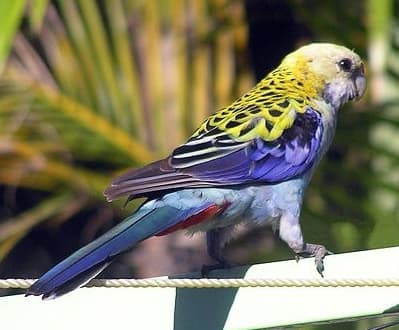
Pale-headed rosella
The pale-headed rosella is a moderately sized parrot native to northeastern Australia, characterized by its pale yellow head, white cheeks, scalloped black and gold back, and pale blue underparts. It inhabits open woodlands and feeds on seeds and fruits, nesting in tree hollows. This species readily adapts to aviculture and is a popular cagebird.

Australian king parrot
The Australian king parrot is a striking parrot species native to the humid, forested eastern regions of Australia. It is distinguished by the vibrant red plumage of the adult male, contrasting with the predominantly green female. These parrots are known for their relatively quiet nature and devotion to their human companions when kept as pets.
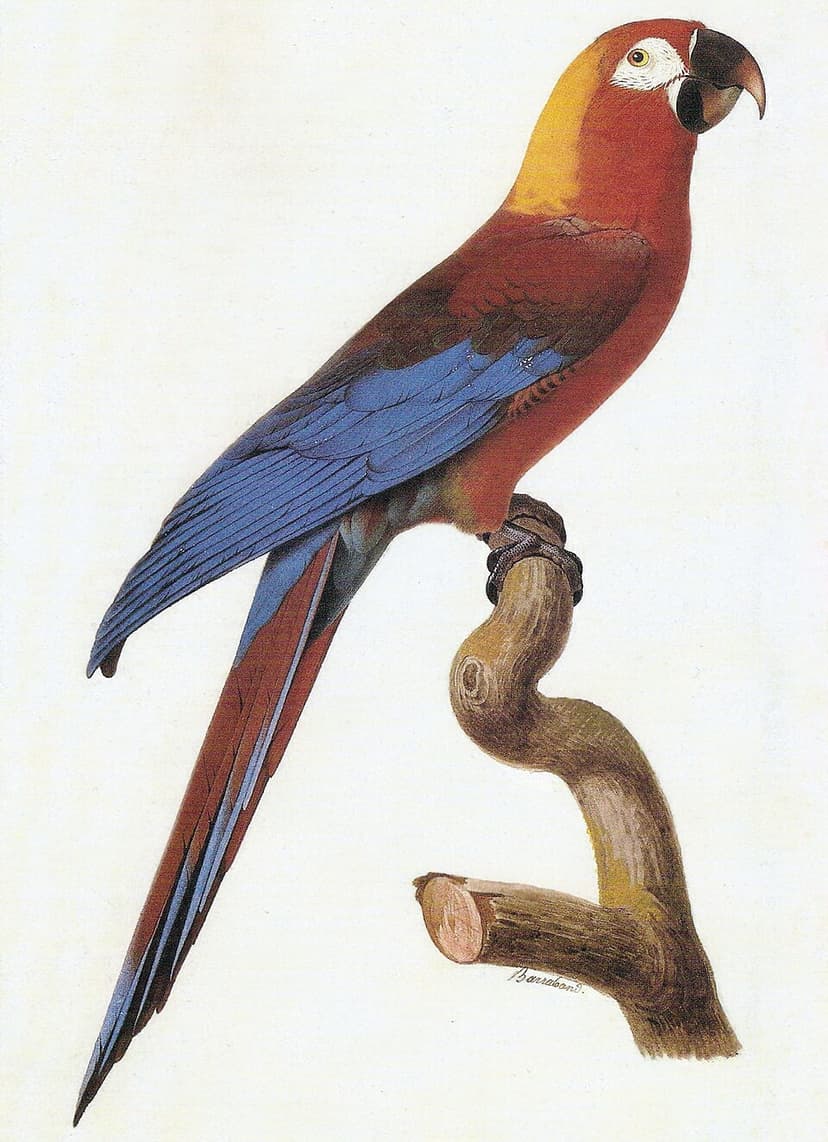
Cuban macaw
The Cuban macaw (Ara tricolor) was a species of macaw native to Cuba and Isla de la Juventud, becoming extinct in the late 19th century. It was one of the smallest macaws, characterized by a vibrant plumage of red, orange, yellow, green, brown, and blue. Its demise was attributed to hunting, habitat destruction, and possibly hurricanes, despite limited knowledge of its behavior.