
Black-capped parakeet
The black-capped parakeet is a species of parrot native to the south-western Amazon Basin and eastern Andean slopes of Peru, Bolivia, and Brazil. This predominantly green bird is characterized by off-white scalloping on its hindneck and breast and red primary coverts. It is known for its social behavior, living in flocks of up to 30 birds, and is also recognized in aviculture as the black-capped conure.
Key Facts
- ›Native to the south-western Amazon Basin and adjacent east Andean slopes in Peru, Bolivia, and Brazil.
- ›Measures approximately 25 cm in length.
- ›Predominantly green plumage with off-white scalloping on the hindneck and breast, and red primary coverts.
- ›Inhabits humid forests from Amazonian lowlands up to 1000 m altitude.
- ›Flocks can consist of up to 30 birds, with smaller family groups during the breeding season.
- ›Listed as Least Concern, though faces threats from deforestation.
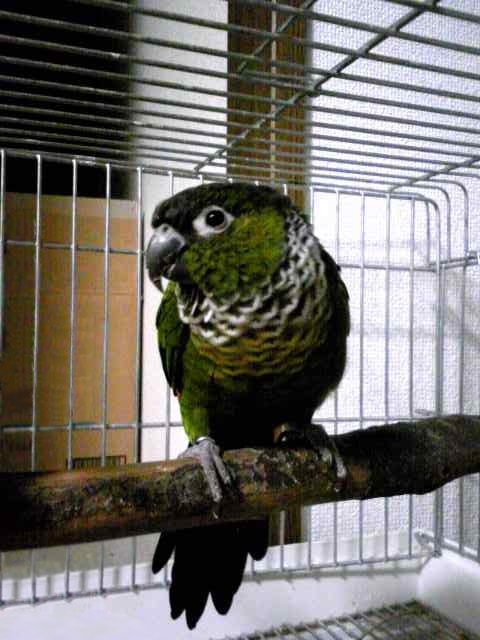
Black-Capped Conure, Rock Conure, Sandia Conure
South America
Humid Forests, Amazonian Lowlands, East Andean Slopes
Off-White Scalloping On Hindneck and Breast, Red Primary Coverts
Fruits, Nuts, Berries, Vegetation, Nectar, Insects
Highly Social, Inquisitive, Sociable, Can Be Shy Around New People, Require A Lot of Attention
Can Be Loud If Bored Or Left Alone, Considered the Quietest of the Conures
About Black-capped parakeet
The black-capped parakeet (Pyrrhura rupicola) is a vibrant species of parrot native to the south-western Amazon Basin and the adjacent east Andean slopes, encompassing regions of Peru, Bolivia, and Brazil. This distinctive bird, measuring approximately 25 centimeters in length, is primarily adorned in green plumage, further highlighted by off-white scalloping on its hindneck and breast, and striking red primary coverts. Its natural habitat includes humid forests, ranging from the Amazonian lowlands up to elevations of 1000 meters on the eastern Andean slopes.
Behavior and Diet
These parakeets are highly social creatures, often observed in flocks of up to 30 individuals, though smaller family groupings form during the breeding season. In the wild, they are canopy feeders, their diet comprising a diverse array of fruits, nuts, berries, and vegetation. They have also been noted to supplement their diet with nectar and insects, particularly when other food sources are scarce, and are known to raid agricultural crops.
Aviculture and Breeding
In aviculture, the black-capped parakeet is commonly known as the black-capped conure or rock conure. They are recognized for being among the quieter conure species, though they can vocalize loudly if bored or neglected. They reach sexual maturity between one and three years of age. The breeding season generally falls between February and March, with clutches typically containing four to seven eggs. The incubation period lasts about 24 days, followed by seven to eight weeks of parental care before the young fledge.
Conservation Status
Despite the ongoing issue of deforestation in the Amazon Basin, the black-capped parakeet is currently designated as Least Concern. However, the reduction of forest cover remains a significant threat to their long-term survival and habitat availability.
Source: Wikipedia ↗
Frequently Asked Questions
What is the scientific name of the black-capped parakeet?
The scientific name of the black-capped parakeet is Pyrrhura rupicola. It was described by Swiss naturalist Johann Jakob von Tschudi in 1844.
What are the different subspecies of the black-capped parakeet?
There are two recognized subspecies: Pyrrhura rupicola rupicola, commonly found in western South America and Peru, and Pyrrhura rupicola sandiae, found in the extreme west of Brazil, southeast Peru, and northern Bolivia. The Sandia conure, P. r. sandiae, is distinguished by narrower scalloped feathers on the neck and breast and a lack of hindneck scalloping.
What is the natural habitat of the black-capped parakeet?
Black-capped parakeets inhabit humid forests. They are found in the Amazonian lowlands and extend up to an altitude of 1000 meters on the east Andean slopes.
What is the diet of the black-capped parakeet in the wild?
In their natural habitat, black-capped parakeets are canopy feeders. Their diet consists of a variety of fruits, nuts, berries, and vegetation. They may also consume nectar and insects when other food sources are scarce, and are known to raid farmers' crops.
What is the conservation status of the black-capped parakeet?
The black-capped parakeet is listed as Least Concern by conservation organizations. Despite this, deforestation in the Amazon Basin poses a significant threat to their habitat.
How long do black-capped parakeets live?
In captivity, black-capped parakeets have a lifespan of up to 30 years. Information on their lifespan in the wild is not as extensively documented.
What are the behavioral characteristics of black-capped parakeets in captivity?
In aviculture, they are known as black-capped conures and are considered the quietest among conures, though they can become loud if bored or left alone for extended periods. They are highly social, inquisitive, and require a lot of attention. They enjoy bathing and may preen themselves, sometimes yawning afterward to clear their nasal passages.
When do black-capped parakeets breed and how many eggs do they lay?
The breeding season for black-capped parakeets is typically from February to March. A clutch generally contains 4 to 7 eggs, with an incubation period of about 24 days.
Related Parrot species

Blaze-winged parakeet
The blaze-winged parakeet is a species of parrot found in parts of Brazil, Bolivia, Paraguay, and potentially Argentina. It is characterized by its mostly green plumage with distinctive red and yellow markings on its wings and a maroon belly. This species inhabits the Pantanal and Chaco regions, primarily in deciduous and gallery forests, and is known for its noisy, chattering vocalizations, especially in flight.

Blue-fronted amazon
The blue-fronted amazon, also known as the blue-fronted parrot or turquoise-fronted amazon, is a South American species of parrot recognized for the distinctive blue or turquoise marking above its beak. It is one of the most commonly kept amazon parrots as a pet. This species exhibits significant individual variation in plumage color, particularly in the amount of yellow and red on its head and wings.

Blue-headed parrot
The blue-headed parrot is a medium-sized parrot native to tropical and subtropical regions of South America and southern Central America. Its most striking feature is its vibrant blue head and neck, contrasting with its predominantly green body and red undertail coverts. These parrots are known for their noisy, high-pitched calls and are popular as pets due to their affectionate nature, though they are not renowned for their talking ability.