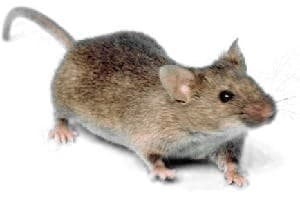
Echimyidae
Almost exclusively herbivorous·Not specified
Echimyidae, commonly known as Neotropical spiny rats, is the most species-rich family of hystricognath rodents, characterized by their diverse adaptations and often stiff, pointed hairs or spines for protection. These rodents are primarily found in South America, with some species extending into Central America and the West Indies, and exhibit a wide range of habitats from arboreal to terrestrial and fossorial.
Key Facts
- ›Echimyidae is the most species-rich family of hystricognath rodents.
- ›Members display significant ecological diversity, including arboreal, terrestrial, fossorial, and semiaquatic habits.
- ›Most species possess stiff, pointed hairs or spines for predator defense.
- ›Many species can shed their tails to escape predators, though these tails do not regenerate.
- ›They are almost exclusively herbivorous.
- ›Their distribution is mainly in South America, with extensions into Central America and the West Indies.
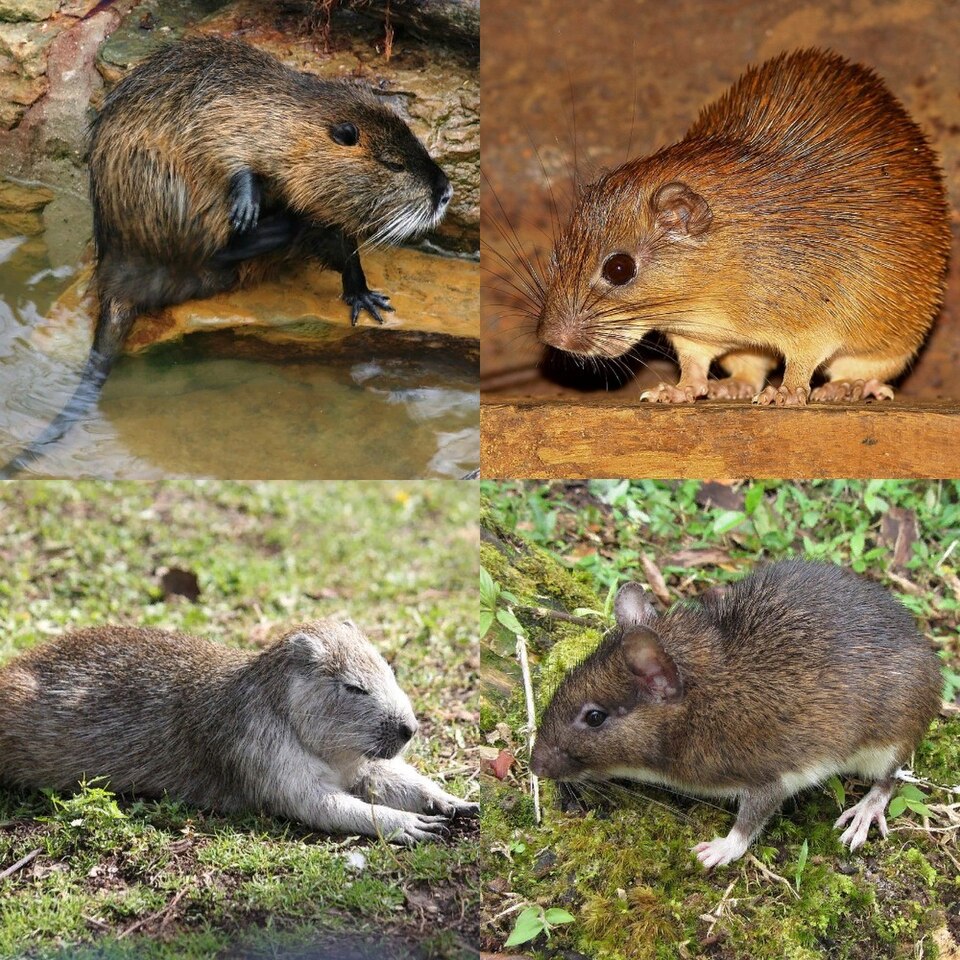
Neotropical Spiny Rats
South America, Central America, West Indies
- Resemble Rats In General Form.
- Most Species Have Stiff, Pointed Hairs Or Spines.
- Can Break Off Their Tails When Attacked.
- Tails Do Not Regenerate.
- Arboreal Forms Are More Rat-Like; Burrowing Species Are More Gopher-Like With Stocky Bodies and Short Tails.
- Can Break Off Tails For Predator Escape.
- Tails Do Not Regenerate.
- Various Species Are Terrestrial, Arboreal, Or Fossorial.
- Most Species Do Poorly In High Heat and Aridity, Restricted To Regions With Abundant Water.
Ability To Shed Tails, Stiff, Pointed Hairs Or Spines
About Echimyidae
Echimyidae: The Neotropical Spiny Rats
Echimyidae, a family of rodents commonly referred to as Neotropical spiny rats, stands out as the most species-rich group within the hystricognath rodents. The name itself, derived from Ancient Greek for "hedgehog" and "rat," hints at their distinctive physical traits. These rodents are notable for their remarkable ecological diversity, with members adapted to a wide array of lifestyles, including fully arboreal (tree-dwelling), terrestrial (ground-dwelling), fossorial (burrowing), and even semiaquatic habits.
Characteristics and Adaptations
In general appearance, most spiny rats bear a resemblance to common rats. However, a defining characteristic for many species is the presence of stiff, pointed hairs, or spines, which are believed to serve as a crucial defense mechanism against predators. Another remarkable adaptation observed in many echimyids is their ability to break off their tails when threatened. This tail-shedding tactic can disorient a predator, providing the spiny rat with an opportunity to escape. It is important to note that, unlike the regenerative tails of some lizards, the tails of spiny rats do not grow back, meaning this defense can only be employed once in an individual's lifetime.
The ecological niches occupied by Echimyidae are varied. While some species are rare and poorly understood, others are exceptionally abundant. Their physical forms often reflect their primary habitat: arboreal species tend to be more rat-like, whereas burrowing species are typically more gopher-like, possessing stocky bodies and shorter tails. A common environmental restriction for most species is their sensitivity to high heat and aridity, leading them to be predominantly found in regions with ample water sources. Their diet is almost exclusively herbivorous.
Source: Wikipedia ↗
Frequently Asked Questions
What are spiny rats?
Spiny rats, belonging to the family Echimyidae, are a diverse group of rodents found primarily in Neotropical regions. They are known for their stiff, pointed hairs or spines, which serve as a defense mechanism against predators.
Where are Echimyidae found?
The family Echimyidae is predominantly found in South America. Some species also range into Central America, and hutias, a subgroup of this family, are found in the West Indies.
What makes spiny rats distinctive?
A distinctive characteristic of many spiny rats is their ability to break off their tails when attacked, a tactic that can confuse predators and allow for escape. They also often possess stiff, pointed hairs or spines.
What is the diet of spiny rats?
Spiny rats are almost exclusively herbivorous, meaning their diet consists mainly of plant matter.
How do spiny rats adapt to their environment?
Echimyidae members exhibit a wide range of adaptations, living in fully arboreal, terrestrial, fossorial (burrowing), or semiaquatic environments, demonstrating significant ecological diversity.