
Piccaninnie Ponds Conservation Park
dissolution·Australia·karst landscape
Piccaninnie Ponds Conservation Park is a protected wetland area in South Australia known for its unique karst landscape and exceptional underwater visibility, making it a popular destination for recreational diving and snorkeling. It is recognized internationally for its significance to bird species and is a designated Ramsar site, conserving rare flora and fauna within its freshwater springs.
Key Facts
- ›The park covers 862 hectares (2,130 acres) near Mount Gambier, South Australia.
- ›It features three main underwater attractions: the First Pond (10m deep), the Chasm (over 100m deep), and the Cathedral (35m deep).
- ›Underwater visibility can exceed 40 meters (130 ft).
- ›The area is a habitat for rare and endangered native plants and animals, including fish, crustaceans, and tortoises.
- ›Piccaninnie Ponds is a listed Ramsar site and part of an Important Bird Area identified by Birdlife International.
- ›Diving and snorkeling are permitted by permit only.

Crystal Clear Water, Excellent Underwater Visibility, Limestone Formations, Rare and Endangered Native Plants and Animals, Freshwater Springs
Freshwater
Fish, Crustaceans, Tortoises, Bird Species
About Piccaninnie Ponds Conservation Park
Piccaninnie Ponds Conservation Park is a significant protected area located in southeastern South Australia, near the city of Mount Gambier. This park conserves a vital wetland ecosystem, characterized by its karst landscape and fed by freshwater springs. It is internationally recognized for its importance to various bird species and is designated as a Ramsar site, highlighting its global ecological value.
Recreational Diving and Underwater Features
The park is a highly regarded destination for both snorkelling and cave diving, owing to its exceptional underwater clarity, which can exceed 40 meters. Underwater explorer Valerie Taylor described the ponds in 1964–1965 as "one of the most beautiful sights in Australia." The key underwater attractions for divers include the 'First Pond,' an open depression approximately 10 meters deep, the 'Chasm,' a sinkhole plunging to over 100 meters, and the 'Cathedral,' an enclosed area featuring striking limestone formations at a depth of about 35 meters.
Flora, Fauna, and Conservation
Piccaninnie Ponds is a sanctuary for a diverse array of rare and endangered native species, encompassing fish, crustaceans, and tortoises. The park's walking track through coastal woodland provides access to viewing platforms overlooking the wetlands, allowing visitors to appreciate the natural beauty and ecological richness of the area. Access for diving and snorkeling is managed through a permit system to ensure the preservation of this sensitive environment. Despite its beauty, the Chasm has been the site of several diving accidents, with recorded fatalities in 1972, 1974, and 1984.
Source: Wikipedia ↗
Frequently Asked Questions
What is Piccaninnie Ponds Conservation Park?
Piccaninnie Ponds Conservation Park is a protected natural area in southeastern South Australia that conserves a wetland fed by freshwater springs within a karst landscape. It is recognized for its ecological significance and as a popular site for underwater exploration.
Where is Piccaninnie Ponds located?
The park is situated in the gazetted locality of Wye, on the continental coastline of South Australia, overlooking Discovery Bay. It is approximately 490 kilometers southeast of Adelaide and 30 kilometers south-east of Mount Gambier, close to the border with Victoria.
What makes Piccaninnie Ponds special for diving?
Piccaninnie Ponds is renowned for its crystal-clear waters, offering excellent underwater visibility that can exceed 40 meters. It features distinct underwater formations like the deep Chasm and the limestone-adorned Cathedral, providing unique cave diving experiences.
Are there any risks associated with diving at Piccaninnie Ponds?
Yes, several divers have tragically died while exploring the underwater caves beneath Piccaninnie Ponds in the past, specifically in 1972, 1974, and 1984. This highlights the inherent risks associated with cave diving in such environments.
What kind of wildlife can be found at Piccaninnie Ponds?
The park is a habitat for a variety of rare and endangered native species. This includes a diverse range of aquatic life such as fish and crustaceans, as well as tortoises, contributing to the area's ecological importance.
Is Piccaninnie Ponds a protected area?
Yes, Piccaninnie Ponds is a protected area, formerly known as Piccaninnie Ponds National Park, and is now designated as a Conservation Park. It is also recognized as a Ramsar site due to its international importance as a wetland.
Related Sinkholes

Ewens Ponds
Ewens Ponds comprises three interconnected, water-filled limestone sinkholes in South Australia, renowned for their exceptional underwater visibility and unique aquatic ecosystems. Discovered by Thomas Ewens and now a conservation park, the ponds are a significant site for recreational diving and a habitat for the endangered golden pygmy perch.
Fossil Cave
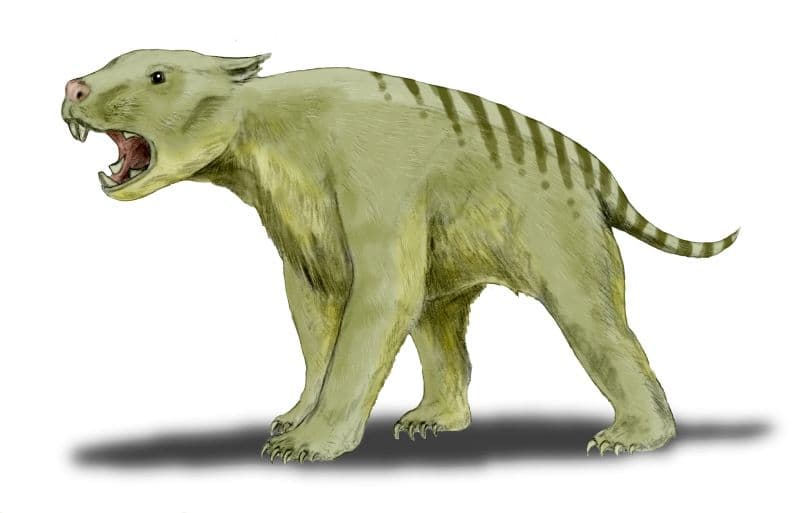
Fossil Cave, formerly known as The Green Waterhole, is a significant karst sinkhole in South Australia's Limestone Coast region. It is geologically notable for its formation in 30-million-year-old limestone and is a crucial paleontological site, yielding Pleistocene subfossil remains of extinct megafauna and serving as the type locality for rare crustaceans. The cave is a popular destination for skilled cave divers.

Numby Numby
Numby Numby is a significant sinkhole in Australia's Northern Territory, known for its warm, spring-fed waters and surrounding cliffs. It holds deep cultural importance in Indigenous Australian traditions, being associated with the Rainbow Serpent and a creation story involving two initiated men.