
Fossil Cave
karst sinkhole·Australia·coralline limestone
Fossil Cave, formerly known as The Green Waterhole, is a significant karst sinkhole in South Australia's Limestone Coast region. It is geologically notable for its formation in 30-million-year-old limestone and is a crucial paleontological site, yielding Pleistocene subfossil remains of extinct megafauna and serving as the type locality for rare crustaceans. The cave is a popular destination for skilled cave divers.
Key Facts
- ›The cave is formed in 30-million-year-old Oligocene coralline limestone.
- ›The surface depression measures approximately 20 meters long and 10 meters wide.
- ›Beneath the surface, it extends to a maximum length of 70 meters and a width of 30 meters.
- ›Pleistocene subfossil material of birds and mammals, dating between 15,000 and 40,000 years ago, has been recovered.
- ›It is the type locality for very rare syncarid crustaceans (Koonunga sp.).
- ›Access for cave diving is restricted to holders of the Cave Divers Association of Australia's Advanced Cave grade.
The Green Waterhole
Paleontological Site, Type Locality For Rare Syncarid Crustaceans
Freshwater
Syncarids
About Fossil Cave
Fossil Cave, originally known as The Green Waterhole, is a significant karst sinkhole located in the Limestone Coast region of south-eastern South Australia. Situated in the locality of Tantanoola, it lies a short distance from the Princes Highway, making it accessible for exploration, particularly for cave divers. The cave is renowned for its dual importance: as a unique paleontological site and as the type locality for exceptionally rare syncarid crustaceans, species of which have only been found in this cave and the Blue Lake near Mount Gambier.
Geological Formation and Description
The cave is formed within 30-million-year-old Oligocene coralline limestone, a testament to the region's ancient geological history. The surface depression of the sinkhole is approximately 20 meters in length and 10 meters in width. Below the surface, Fossil Cave extends considerably, reaching a maximum submerged length of 70 meters and a width of 30 meters. The cave is largely filled with water, contributing to its 'Green Waterhole' moniker before its official renaming.
Paleontological Significance
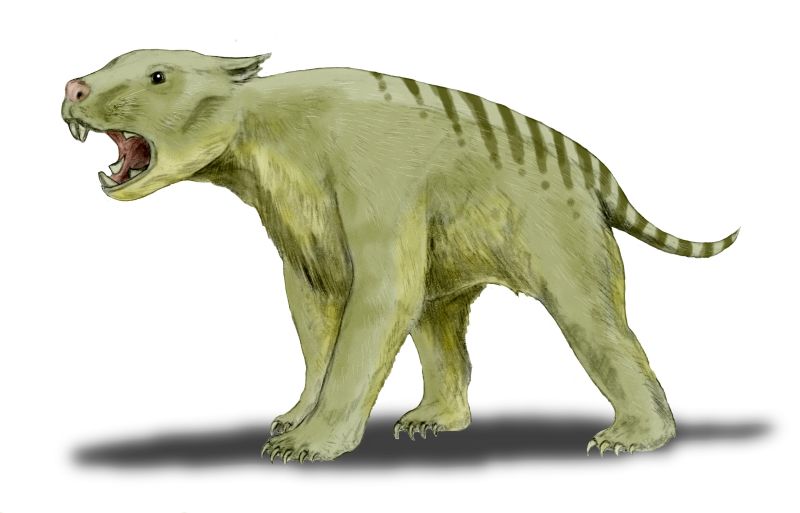
Fossil Cave has yielded a substantial collection of Pleistocene subfossil material, primarily from birds and mammals, recovered by divers since the mid-1960s. These fossils, dating mainly between 15,000 and 40,000 years ago, provide invaluable insights into the prehistoric fauna of Australia. The accumulation of these remains is attributed to animals falling into the cave, likely while seeking water, and subsequently perishing. Among the significant extinct species identified are the thylacine (Thylacinus cynocephalus), the marsupial lion (Thylacoleo carnifex), and various extinct kangaroo species, alongside extinct bird species like Centropus colossus and Orthonyx hypsilophus.
Exploration and Recreational Diving
Fossil Cave has been the subject of numerous surveys and paleontological operations carried out by cave divers working in collaboration with researchers and institutions such as Flinders University and the South Australian Underwater Speleological Society (SAUSS) Inc. The submerged extent of the cave has been systematically surveyed by various groups over the decades. Today, Fossil Cave is recognized as a notable site for cave diving. However, access for this activity is strictly regulated and limited to divers holding the Advanced Cave grade certification from the Cave Divers Association of Australia, ensuring the preservation of this sensitive environment and the safety of those exploring its depths.
Source: Wikipedia ↗
Frequently Asked Questions
What is Fossil Cave and where is it located?
Fossil Cave, previously called The Green Waterhole, is a karst sinkhole located in the Limestone Coast region of south-eastern South Australia. It is situated in the locality of Tantanoola, a few meters off the Princes Highway, approximately 22 kilometers northwest of Mount Gambier.
What makes Fossil Cave geologically significant?
The cave is formed in 30-million-year-old Oligocene coralline limestone, making it a significant geological formation. It is also the type locality for rare syncarid crustaceans found only in this region and the Blue Lake in Mount Gambier.
What kind of fossils have been found in Fossil Cave?
Since the mid-1960s, divers have recovered a variety of Pleistocene subfossil remains of birds and mammals. These include examples of extinct species such as the thylacine and marsupial lion, deposited mainly between 15,000 and 40,000 years ago.
How did the fossils accumulate in the cave?
It is believed that animals, seeking water, fell into the cave and drowned. Their remains then accumulated on the rockpile within the cave, preserved as subfossils.
Is Fossil Cave accessible for recreational activities?
Fossil Cave is a notable site for cave diving. However, access for diving is limited to individuals who hold the Advanced Cave grade certification from the Cave Divers Association of Australia.
When was the name of the cave changed?
The name of the cave was officially changed from The Green Waterhole to Fossil Cave on April 23, 1989. This change was published in The South Australian Government Gazette on May 4, 1989.
Related Sinkholes

Hranice Abyss
The Hranice Abyss, also known as Hranická propast, is a karst sinkhole in the Czech Republic recognized as the deepest flooded pit cave globally. Its geological significance lies in its formation by upwelling hot acidic water, a process revealed by recent expeditions. The abyss is a complex karst system, featuring both dry caves and extensive submerged passages, making it a subject of scientific interest and exploration.

Ewens Ponds
Ewens Ponds comprises three interconnected, water-filled limestone sinkholes in South Australia, renowned for their exceptional underwater visibility and unique aquatic ecosystems. Discovered by Thomas Ewens and now a conservation park, the ponds are a significant site for recreational diving and a habitat for the endangered golden pygmy perch.

Piccaninnie Ponds Conservation Park
Piccaninnie Ponds Conservation Park is a protected wetland area in South Australia known for its unique karst landscape and exceptional underwater visibility, making it a popular destination for recreational diving and snorkeling. It is recognized internationally for its significance to bird species and is a designated Ramsar site, conserving rare flora and fauna within its freshwater springs.