
The Inkpot
The Inkpot is a significant geological formation located in the Salt Creek Wilderness Area north of Roswell, New Mexico. This sinkhole is notable for its depth, its striking light green color, and the presence of a hidden cave that leads to its water. It also serves as a habitat for various wildlife, including owls and the Pecos pupfish.
Key Facts
- ›The Inkpot is 90 feet (27 meters) deep.
- ›It is located in the Salt Creek Wilderness Area, north of Roswell, New Mexico.
- ›The sinkhole is light green in color.
- ›It features a hidden cave that provides access to the water.
- ›The Inkpot is home to great horned owls, barn owls, and the Pecos pupfish.

Hidden Cave Leading To Water, Light Green Water Color
Freshwater
Great Horned Owl, Barn Owl, Pecos Pupfish
About The Inkpot
The Inkpot is a notable sinkhole located within the Salt Creek Wilderness Area, north of Roswell, New Mexico. This geological formation is situated at the base of the Red Bluffs protected area and is recognized for its distinct light green colored water.
Geological Characteristics and Features
With a depth of 90 feet (27 meters), The Inkpot is a considerable geological feature. A unique aspect of this sinkhole is the presence of a hidden cave that provides access to its water. While the specific rock type responsible for its formation is not detailed, its existence points to karstic processes common in areas with soluble bedrock.
Ecological Significance
The Inkpot supports a small but diverse ecosystem. It is a habitat for avian species such as great horned owls and barn owls. Additionally, it is home to the Pecos pupfish, a species often found in arid environments. Its role as a water source and habitat in a wilderness area makes it ecologically important.
Location and Accessibility
The sinkhole is found in a wilderness area, suggesting it is not a developed tourist attraction. Its location north of Roswell, New Mexico, places it within a region known for its unique geological landscapes. Specific details regarding public access or visitor infrastructure are not provided.
Source: Wikipedia ↗
Frequently Asked Questions
Where is The Inkpot located?
The Inkpot is situated in the Salt Creek Wilderness Area, north of Roswell, New Mexico. It can be found at the foot of the Red Bluffs protected area.
How deep is The Inkpot?
The Inkpot has a depth of approximately 90 feet, which is equivalent to 27 meters.
What are the unique features of The Inkpot?
The Inkpot is characterized by its distinctive light green color. It also contains a hidden cave that leads to the water within the sinkhole.
What kind of wildlife can be found at The Inkpot?
The Inkpot serves as a habitat for several species. These include great horned owls, barn owls, and the Pecos pupfish.
Related Sinkholes

Big Basin Prairie Preserve
The Big Basin Prairie Preserve in Kansas encompasses a significant sinkhole system, most notably the mile-wide Big Basin and the water-filled St. Jacob's Well. These geological features, formed by sinkhole activity, are historically notable as resting places for the Northern Cheyenne and landmarks for cattle drives. The preserve is a designated National Natural Landmark, managed to protect its unique landscape and wildlife.
Daisetta, Texas
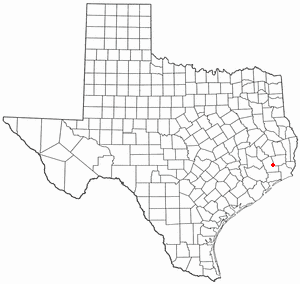
Daisetta, Texas, is a city in Liberty County known for its geological instability due to its location on a salt dome. This geological feature has led to the formation of multiple sinkholes, most notably a large one in 2008 nicknamed "Sinkhole de Mayo," which posed a significant risk to residents. The sinkholes are a direct consequence of the underlying salt dome's movement and potential dissolution.
Deep Lake (Florida)
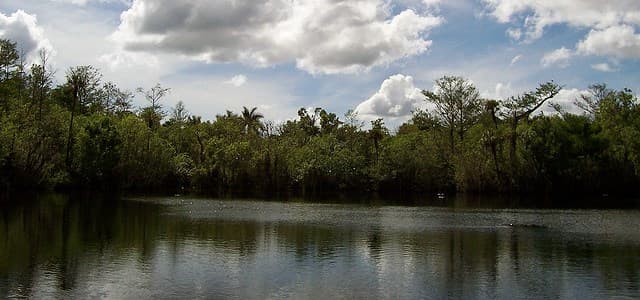
Deep Lake is a natural sinkhole located within Florida's Big Cypress National Preserve. It is geologically significant as the deepest lake south of Lake Okeechobee and one of the deepest in the entire state, forming the namesake for the surrounding community and a nearby swamp strand.