
Adelaide Zoo
Australia·Urban Zoo·19th century
Adelaide Zoo, established in 1883, is Australia's second-oldest zoo and operates on a non-profit basis. Situated north of Adelaide's city center, it is managed by the Royal Zoological Society of South Australia and is a key institution for wildlife conservation and public education in the region.
Key Facts
- ›Opened on May 23, 1883.
- ›Covers 8 hectares (20 acres).
- ›Houses over 2,500 animals across 250 species.
- ›Features the Southern Hemisphere's largest giant panda center.
- ›Five buildings are listed as state heritage places.
- ›Operated by the Royal Zoological Society of South Australia.
- South-East Asia Exhibit
- Giant Panda Centre
- Australian Rainforest Wetlands Walk-Through Aviary
- Former Elephant House
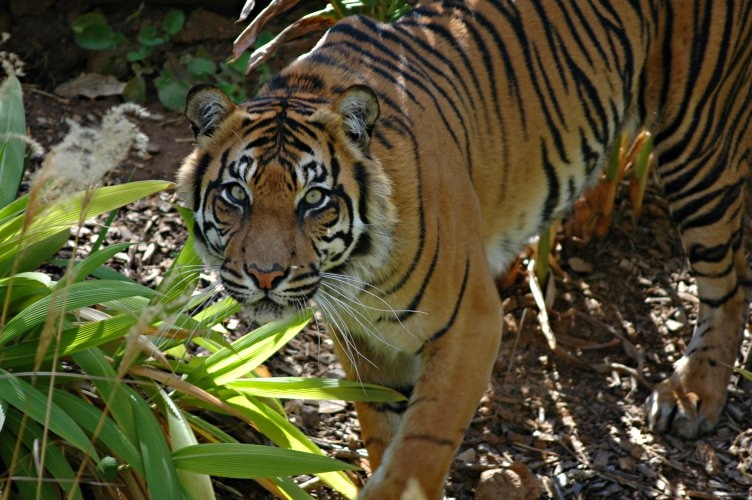
Wang Wang, Fu Ni, Xing Qiu, Yi Lan, Ravi, Maiya, Snowy, Malayan Tapir, Sumatran Tiger, Sumatran Orangutan
- Breeding programs for native species like the Western swamp tortoise
- Conservation programs for endangered wildlife (e.g., giant pandas on loan)
- Initiatives aiding numerous endangered species globally
About Adelaide Zoo
Adelaide Zoo, situated in the parklands north of the city centre of Adelaide, South Australia, is Australia's second-oldest zoological institution, having opened its gates on May 23, 1883. Operated on a non-profit basis, it is administered by the Royal Zoological Society of South Australia Incorporated, also known as Zoos SA, which also oversees the Monarto Safari Park. The zoo is a significant entity in Australia's zoological landscape, dedicated to wildlife conservation, education, and providing engaging visitor experiences.
History and Development
Founded by the South Australian Acclimatization and Zoological Society, Adelaide Zoo initially occupied 6.5 hectares (16 acres) of government-granted land, expanding to its current 8 hectares (20 acres). The society later received a royal charter from King George VI in 1937, becoming the Royal Zoological Society of South Australia. The zoo's early history saw the Minchin family play a pivotal role, with three generations serving as directors. In the mid-twentieth century, the zoo was involved in the export of live native birds, a practice that later drew scrutiny due to record-keeping issues. Significant administrative restructuring and a renewed focus on animal welfare and safety in the latter half of the century helped the zoo regain its public credibility and scientific standing.
The zoo has evolved from traditional housing of species in separate enclosures to a more modern approach emphasizing immersive habitats that group animals as they would appear in the wild. While some historic structures, such as the former Elephant House built in 1900, have been retained for their heritage value and now feature educational displays, they are no longer used for housing animals. The zoo's infrastructure has seen continuous development, with notable additions including the flamingo exhibit (dating back to 1885), a nocturnal house (1974), a reptile house (1985), and the prominent giant panda exhibit and Bamboo Forest, which opened in 2009. The main entrance was also relocated in 2010, preserving the original 1883 gates.
Current Focus and Exhibits
Adelaide Zoo places a particular emphasis on species originating from the ancient Gondwana "supercontinent," showcasing botanical similarities across its main exhibits, which include a South East Asian Rainforest and an Australian Rainforest Wetlands walk-through aviary. The "Immersion" precinct, developed in phases, provides visitors with an immersive experience, with Sumatran tigers and Sumatran orangutans among the key inhabitants. The zoo also conserves African species such as pygmy hippopotamuses and mandrills. Beyond its animal collections, Adelaide Zoo is a botanical garden, featuring significant native and exotic flora, including a Moreton Bay fig planted in 1877.
The zoo is home to the Southern Hemisphere's largest giant panda centre, which opened in December 2009. It has housed two giant pandas, Xing Qiu and Yi Lan, who arrived in 2024, following the departure of Wang Wang and Fu Ni, who were famous for their unsuccessful breeding attempts. The zoo's commitment to education is evident through its various tours, a children's zoo area, and educational facilities for secondary students. The Envirodome, an interactive visitor experience focused on environmental conservation, utilizes recycled materials and sustainable features like a green roof and solar panels.
Animals and Conservation
Adelaide Zoo houses a diverse collection of animals, with over 2,500 individuals representing 250 species in 2023. The zoo has had notable animal residents, including the last captive Javan rhino (misidentified as an Indian rhinoceros), the last American beaver in Australia, and Miss C, the oldest Hoffmann's two-toed sloth in the world. The zoo has also been recognized for unique animals like Snowy, a meerkat diagnosed with vitiligo, and its role in conservation programs for threatened Australian species. Adelaide Zoo actively supports global conservation efforts and breeding programs for native species, aiming to ensure the long-term survival of endangered wildlife.
Source: Wikipedia ↗
Frequently Asked Questions
When was Adelaide Zoo founded?
Adelaide Zoo was founded on May 23, 1883, by the South Australian Acclimatization and Zoological Society. It is the second oldest zoo in Australia.
What is the size of Adelaide Zoo?
Adelaide Zoo occupies 8 hectares (20 acres) of land. It was initially 6.5 hectares (16 acres) when it opened.
How many animals and species are at Adelaide Zoo?
As of 2023, Adelaide Zoo houses over 2,500 animals representing 250 different species. In 1990, it had 1,300 animals of 282 species.
What are the notable exhibits at Adelaide Zoo?
Notable exhibits include the South-East Asia precinct with Sumatran tigers and orangutans, the Southern Hemisphere's largest giant panda center, and immersive rainforest aviaries. The zoo also maintains significant exotic and native flora.
What is the current focus of Adelaide Zoo?
Adelaide Zoo focuses on species from the Gondwana supercontinent regions, emphasizing immersive habitats and conservation programs for native species like the Western swamp tortoise. It also has a strong commitment to educational programs for visitors of all ages.
Are there any famous or iconic animals at Adelaide Zoo?
Adelaide Zoo was famously home to giant pandas Wang Wang and Fu Ni. It also housed Snowy, a unique white meerkat diagnosed with vitiligo, and was the last zoo in Australia to keep Malayan tapirs.
Related Zoos
Africa Alive!
Africa Alive! Zoological Reserve, formerly known as Suffolk Wildlife Park, is an African-themed zoo located in Kessingland, Suffolk, UK. As part of the Zoological Society of East Anglia, it is a registered charity dedicated to wildlife conservation and education.
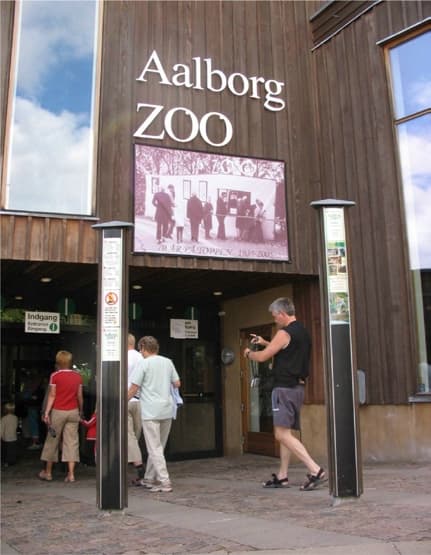
Aalborg Zoo
Aalborg Zoo is a zoological garden situated near the heart of Aalborg, Denmark, drawing approximately 375,000 visitors annually. It serves as a significant institution for animal conservation, actively participating in global breeding programs and environmental preservation projects, including supporting rainforest conservation in Ecuador.
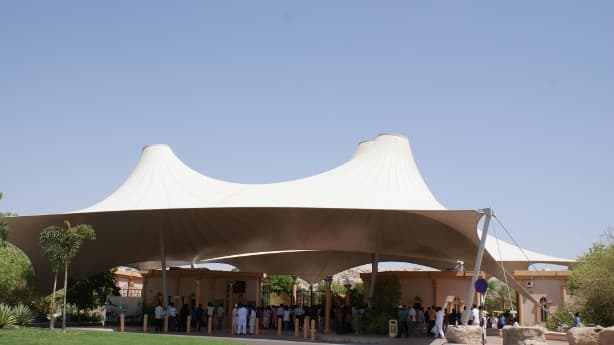
Al Ain Zoo
Al Ain Zoo, also known as Al Ain Wildlife Park & Resort, is a 400-hectare zoological park situated in Al Ain, United Arab Emirates. Founded in 1969, it plays a role in wildlife conservation, housing over 4,000 animals, including endangered species and those extinct in the wild.