
Al Ain Zoo
United Arab Emirates·Zoo·20th century
Al Ain Zoo, also known as Al Ain Wildlife Park & Resort, is a 400-hectare zoological park situated in Al Ain, United Arab Emirates. Founded in 1969, it plays a role in wildlife conservation, housing over 4,000 animals, including endangered species and those extinct in the wild.
Key Facts
- ›Spans 400 hectares (990 acres) in Al Ain, Abu Dhabi.
- ›Established in 1969 by Sheikh Zayed bin Sultan Al Nahyan.
- ›Opened to the public in 1972.
- ›Houses over 4,000 animals across 68 mammal, 88 bird, and 35 reptile species.
- ›Features include a big cat house, reptile house, aquarium, and aviary.
- ›Underwent expansion in 2019 for conservation and breeding centers.
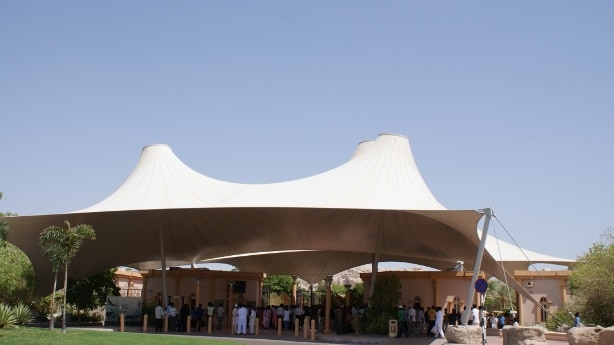
Big Cat House, Reptile House, Aquarium, Aviary, Dinosaur Trail
Arabian Oryx, White Lion, Nubian Giraffe, Arabian Sand Cat
Breeding Programs For Arabian Oryx, Conservation and Breeding Centers
About Al Ain Zoo
Al Ain Zoo, also known by its alternate names Al Ain Wildlife Park & Resort or Al Ain Wildlife Park, is a significant zoological institution located in the foothills of Jebel Hafeet in Al Ain, Abu Dhabi, within the United Arab Emirates. Established in 1969 by Sheikh Zayed bin Sultan Al Nahyan, the late Ruler of Abu Dhabi and President of the United Arab Emirates, the zoo was founded out of a profound concern for the region's native wildlife, with an initial focus on protecting ungulates such as the Arabian oryx. The park officially opened its gates to the public in 1972.
Spanning an impressive 400 hectares (990 acres), Al Ain Zoo is home to a diverse collection of animals, housing over 4,000 individuals. The zoo's collection includes 68 species of mammals, 88 species of birds, and 35 species of reptiles, with a significant emphasis on ungulates and herbivores like Arabian antelopes, oryx, eland, gazelles, and lechwe. It also features notable species such as the rare white lion and the Nubian giraffe. The zoo's facilities include a dedicated big cat house showcasing lions, mountain lions, jaguars, black panthers, leopards, and cheetahs, alongside a reptile house, monkey compounds, an aquarium, and an aviary.
In recent years, Al Ain Zoo has embarked on an expansion program, initiated in April 2019, to develop new areas and facilities. This expansion includes the construction of conservation and breeding centers, an African Safari zone, a World Desert Zoo, and the Sheikh Zayed Desert Learning Centre, underscoring a commitment to enhancing its conservation efforts and educational outreach. The zoo has also been involved in breeding programs, notably achieving the birth of three Arabian sand cats in August 2022, marking the first such birth in years.
However, Al Ain Zoo has faced international scrutiny regarding its animal welfare and conservation practices. In March 2022, the World Association of Zoos and Aquariums (WAZA) issued a statement indicating that the zoo's intention to import wild African elephants from Namibia did not align with WAZA's Code of Ethics. This led to the termination of Al Ain Zoo's membership in WAZA until further notice. Subsequently, in September 2022, the European Association of Zoos and Aquaria (EAZA) also announced the termination of Al Ain Zoo's membership, effective December 31, 2022, citing multiple breaches of EAZA Codes and Standards related to the proposed elephant import.
Source: Wikipedia ↗
Frequently Asked Questions
When was Al Ain Zoo founded?
Al Ain Zoo was founded in 1969 by Sheikh Zayed bin Sultan Al Nahyan. It was established out of a concern for the land's wildlife, with a particular focus on protecting ungulates like the Arabian oryx.
What is the size of Al Ain Zoo?
Al Ain Zoo covers an extensive area of 400 hectares, which is equivalent to 990 acres. This large space allows for the housing of a diverse range of animals and the development of various exhibits.
What types of animals can be found at Al Ain Zoo?
The zoo primarily features ungulates and herbivores, including Arabian antelopes, oryx, eland, gazelle, and lechwe. It also houses rare white lions and Nubian giraffes, along with a collection of big cats, reptiles, birds, and monkeys.
Does Al Ain Zoo have an aquarium?
Yes, Al Ain Zoo includes an aquarium as part of its facilities. This allows visitors to see a variety of aquatic life in addition to the terrestrial animals.
Has Al Ain Zoo had any recent notable births?
In August 2022, it was reported that three Arabian sand cats were born at the zoo for the first time in years. This birth highlights the zoo's efforts in breeding programs for certain species.
Why did Al Ain Zoo's membership with WAZA and EAZA terminate?
Al Ain Zoo's membership with the World Association of Zoos and Aquariums (WAZA) and the European Association of Zoos and Aquaria (EAZA) was terminated due to its intention to import wild African elephants from Namibia. This action was deemed to breach the ethical codes and standards of both organizations, particularly concerning conservation and ethical animal management.
Related Zoos
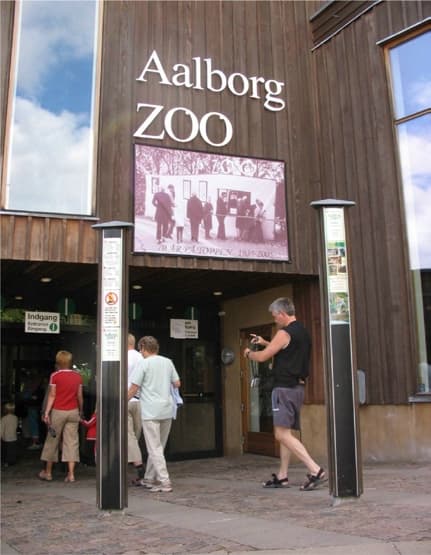
Aalborg Zoo
Aalborg Zoo is a zoological garden situated near the heart of Aalborg, Denmark, drawing approximately 375,000 visitors annually. It serves as a significant institution for animal conservation, actively participating in global breeding programs and environmental preservation projects, including supporting rainforest conservation in Ecuador.

African Lion Safari
African Lion Safari is a privately owned safari park located in Southern Ontario, Canada, offering visitors a unique experience to see animals roam freely in large, contained reserves. The park is significant for its extensive game reserves and its dedicated breeding programs for numerous endangered and threatened species, particularly Asian elephants.

Africam Safari
Africam Safari is a Mexican zoological park established in 1972 by Captain Carlos Camacho Espíritu. Located near Puebla, it aims to provide a naturalistic environment for animals to thrive and reproduce, allowing visitors to observe them in habitats that closely mimic their wild surroundings. The park is recognized by major zoological associations like AZA and WAZA.