
Africam Safari
Africam Safari is a Mexican zoological park established in 1972 by Captain Carlos Camacho Espíritu. Located near Puebla, it aims to provide a naturalistic environment for animals to thrive and reproduce, allowing visitors to observe them in habitats that closely mimic their wild surroundings. The park is recognized by major zoological associations like AZA and WAZA.
Key Facts
- ›Established in 1972 by Captain Carlos Camacho Espíritu.
- ›Located approximately 17 kilometers (11 miles) from Puebla, Mexico.
- ›Houses approximately 2500 animals representing 350 species.
- ›Features various themed habitats such as African Savannah, American Steppes, and Tropical Jungle.
- ›Offers a Nocturnal Safari for visitors to observe animal activity after dark.
- ›Accredited by the Association of Zoos and Aquariums (AZA) and the World Association of Zoos and Aquariums (WAZA).

Delta De Okavango, Desierto De Kalahari, Serengeti, Huasteca, Zona Australiana, Aventura AmazóNica
White Tigers, Golden Eagle, Tuxtla Quail-Dove, Jaguars, Humpback Whales, Flamingos, Mexican Military Macaw
- Golden Eagle Reproduction
- Tuxtla Quail-Dove Breeding
- Jaguar Conservation In Northern Mexican Mountains
- Humpback Whale Conservation In the Pacific Ocean
- Flamingo Conservation In the YucatáN Peninsula
- Mexican Military Macaw Conservation
- Sea Lion Conservation Off the Mexican Pacific Coast
- Manatee Conservation In Quintana Roo
About Africam Safari
Africam Safari is a prominent zoological park located near Puebla, Mexico, established in 1972 by Captain Carlos Camacho Espíritu. The park's core philosophy centers on creating a sanctuary where animals can thrive and reproduce in environments that closely mimic their natural habitats. This immersive approach allows visitors to observe wildlife in a manner that fosters understanding and appreciation for conservation.
History and Concept
Captain Carlos Camacho Espíritu, a veteran, pilot, and businessman, initiated Africam Safari with a vision to develop a zoo prototype. He named it 'Africam,' a combination of 'Africa,' the continent of origin for many of its species, and his own surname. The park officially opened to the public on April 2, 1972. Tragically, Captain Camacho passed away in 1976, but his vision for a conservation-focused zoological park continues.
Animal Collection and Habitats
Africam Safari houses approximately 2,500 animals representing 350 different species, with a significant emphasis on allowing animals to roam freely in habitats designed to encourage natural development and reproduction. Visitors can explore these diverse environments either in their own vehicles or via guided buses. Notable themed areas include the Delta de Okavango, inspired by Botswana's Okavango Delta; the Desierto de Kalahari, replicating the Kalahari Desert; the Serengeti, focused on African lions; and the Huasteca, showcasing animals from Mexican forests. The park also features the Adventure Zone, which includes areas like Zona Australiana and Aventura Amazónica for pedestrian exploration.
Conservation Efforts
Conservation is a cornerstone of Africam Safari's mission. The park has achieved notable successes, including being the first institution in Mexico to facilitate the reproduction of the golden eagle, an emblem of the Mexican flag. It actively maintains a captive population of the endangered tuxtla quail-dove and engages in various in-situ conservation programs. These initiatives extend to protecting jaguars in the northern Mexican mountains, humpback whales in the Pacific Ocean, flamingos in the Yucatán Peninsula, and Mexican military macaws, among other vital wildlife.
Visitor Experience
Beyond the standard daytime visits, Africam Safari offers a unique Nocturnal Safari experience during select months. This allows visitors to witness the heightened activity of many species after dark. The park also features a botanical garden, the Jardín Botánico Louise Wardle de Camacho, dedicated to Mexican plant species, and an insectarium and herpetarium called Tarántulas y Otros "Bichos" that showcases reptiles, amphibians, and arthropods.
Source: Wikipedia ↗
Frequently Asked Questions
When did Africam Safari open to the public?
Africam Safari first opened its doors to the public on April 2, 1972. Its founder, Captain Carlos Camacho Espíritu, had the vision to create a park where animals could live and reproduce in environments that closely resembled their natural habitats.
What is the concept behind Africam Safari's design?
The park was conceived as a prototype zoo where animals could develop and reproduce in areas that closely resemble their natural habitats in the wild. The name 'Africam' itself is a portmanteau of Africa, the continent of origin for many species, and the founder's last name, Camacho.
How can visitors experience the animals at Africam Safari?
Visitors can observe animals in habitats designed to closely resemble the wild. They have the option to use their own vehicles or guided buses to tour the park, with signals in place to ensure visitor safety and advise against disturbing the animals.
What are some of the notable themed areas within Africam Safari?
Africam Safari features a variety of themed zones, including the Delta de Okavango (based on Botswana's Okavango Delta), Desierto de Kalahari (Kalahari Desert), Serengeti (Tanzania), and Huasteca (La Huasteca region of Mexico). There are also zones like Zona Australiana and Aventura Amazónica.
Does Africam Safari participate in conservation efforts?
Yes, Africam Safari is involved in significant conservation programs. It was the first institution in Mexico to successfully assist the reproduction of the golden eagle and maintains a captive population of the endangered tuxtla quail-dove. The park also supports conservation efforts for jaguars, humpback whales, flamingos, and various macaw species, among others.
What is the Nocturnal Safari experience like?
During certain months, visitors can extend their stay for a Nocturnal Safari. This experience involves a bus tour through the main sections of the park at night, allowing observation of animals that are more active after dark, such as lions, antelopes, and tigers. The Adventure Zone also offers night activities.
Related Zoos

African Lion Safari
African Lion Safari is a privately owned safari park located in Southern Ontario, Canada, offering visitors a unique experience to see animals roam freely in large, contained reserves. The park is significant for its extensive game reserves and its dedicated breeding programs for numerous endangered and threatened species, particularly Asian elephants.
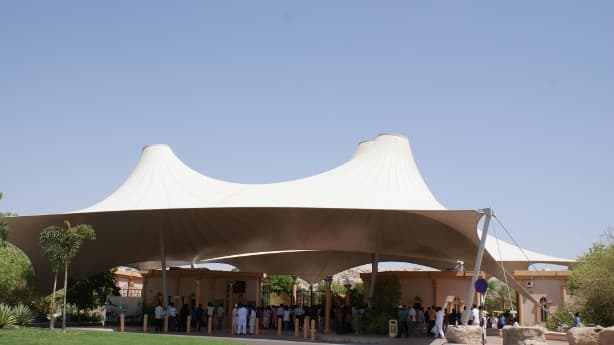
Al Ain Zoo
Al Ain Zoo, also known as Al Ain Wildlife Park & Resort, is a 400-hectare zoological park situated in Al Ain, United Arab Emirates. Founded in 1969, it plays a role in wildlife conservation, housing over 4,000 animals, including endangered species and those extinct in the wild.
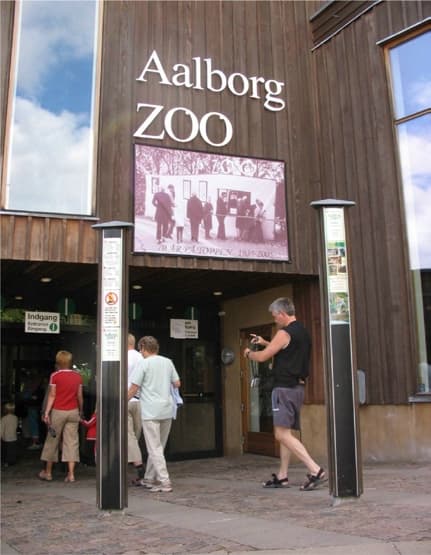
Aalborg Zoo
Aalborg Zoo is a zoological garden situated near the heart of Aalborg, Denmark, drawing approximately 375,000 visitors annually. It serves as a significant institution for animal conservation, actively participating in global breeding programs and environmental preservation projects, including supporting rainforest conservation in Ecuador.