
Akita Omoriyama Zoo
Japan·Municipal Zoo·20th century
Akita Omoriyama Zoo, also known as "Milve," is a municipal zoo located in Akita, Japan. Opened in its current location in 1972, it is modeled after Hokkaido's Asahiyama Zoo, featuring naturalistic habitats and "action exhibits" to encourage animal activity. The zoo is accredited by the Japanese Association of Zoos and Aquariums (JAZA) and has a history of successful captive breeding programs.
Key Facts
- ›Opened in its current location in 1972.
- ›Covers an area of 15 hectares.
- ›Features 114 species on display.
- ›Accredited by the Japanese Association of Zoos and Aquariums (JAZA).
- ›Successfully bred tanuki, barn owls, and Japanese martens.
- ›Successfully artificially inseminated black-backed jackals and demoiselle cranes.

Action Exhibits, Naturalistic Habitats
About Akita Omoriyama Zoo
Akita Omoriyama Zoo, often referred to by its nickname "Milve" (秋田市大森山動物園, Akitashi Omoriyama dōbutsuen), is a municipal zoological garden located in Akita City, Akita Prefecture, Japan. The zoo opened at its present site in September 1972, though its origins date back to October 1950 as a smaller facility attached to the Akita Prefectural Children’s Hall. Accredited by the Japanese Association of Zoos and Aquariums (JAZA), Akita Omoriyama Zoo spans 15 hectares and currently exhibits 114 species.
Design and Philosophy
The zoo's design draws inspiration from Hokkaido's Asahiyama Zoo, emphasizing naturalistic environments for its animals. Holding areas are constructed to closely resemble the animals' native habitats, aiming to provide a more enriching experience for both the animals and visitors. A key feature of its educational approach is the incorporation of "action exhibits," which are designed to encourage observable animal behaviors, particularly during feeding times.
Conservation and Breeding Achievements
Akita Omoriyama Zoo has a notable history of successful captive breeding programs, with several achievements marking firsts for zoos in Japan. In 1974, the zoo successfully bred the tanuki. This was followed by successful breeding of the barn owl in 1978 and the Japanese marten in 1994. The zoo also pioneered artificial insemination techniques in Japan, with successful procedures performed on the black-backed jackal in 1990 and the demoiselle crane in 1995.
Visitor Information
In March 2015, the zoo celebrated reaching its 10 millionth visitor since its relocation to the current site. Adjacent to the zoo is the Akita Omoriyama Amusement Park Anipa, an amusement facility owned and operated by Hoei Sangyo Co. Ltd. The zoo's parking lot can accommodate up to 430 cars.
Source: Wikipedia ↗
Frequently Asked Questions
When did Akita Omoriyama Zoo open?
The zoo was established in its current location in September 1972. However, its origins trace back to October 1950 as a zoo attached to the Akita Prefectural Children’s Hall.
What is the size of Akita Omoriyama Zoo?
The zoo covers an area of 15 hectares. It is home to 114 different species.
What is unique about the design of Akita Omoriyama Zoo?
Akita Omoriyama Zoo is modeled after Asahiyama Zoo. Its holding areas are designed to mimic the animals' natural habitats, and it incorporates 'action exhibits' that encourage animal activity, especially during feeding times.
Has Akita Omoriyama Zoo had success in breeding animals?
Yes, the zoo has a history of successful captive breeding. Notably, it was the first zoo in Japan to successfully breed the tanuki (1974), barn owl (1978), and Japanese marten (1994). It also achieved firsts in Japan with artificial insemination of the black-backed jackal (1990) and demoiselle crane (1995).
What is the nickname of Akita Omoriyama Zoo?
The zoo is also known by the nickname "Milve".
Related Zoos
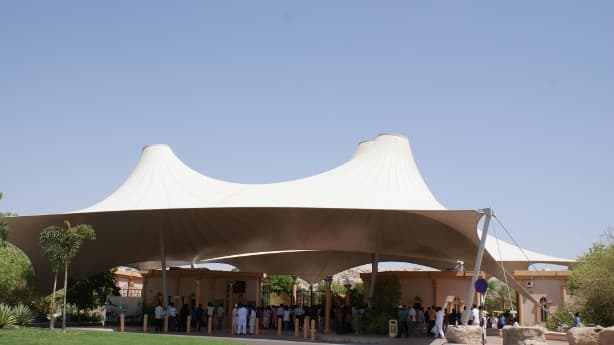
Al Ain Zoo
Al Ain Zoo, also known as Al Ain Wildlife Park & Resort, is a 400-hectare zoological park situated in Al Ain, United Arab Emirates. Founded in 1969, it plays a role in wildlife conservation, housing over 4,000 animals, including endangered species and those extinct in the wild.
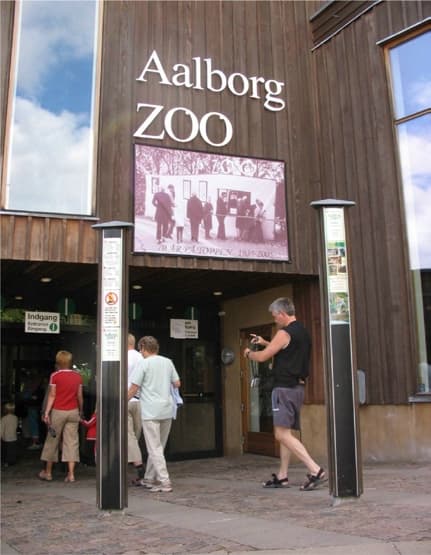
Aalborg Zoo
Aalborg Zoo is a zoological garden situated near the heart of Aalborg, Denmark, drawing approximately 375,000 visitors annually. It serves as a significant institution for animal conservation, actively participating in global breeding programs and environmental preservation projects, including supporting rainforest conservation in Ecuador.

African Lion Safari
African Lion Safari is a privately owned safari park located in Southern Ontario, Canada, offering visitors a unique experience to see animals roam freely in large, contained reserves. The park is significant for its extensive game reserves and its dedicated breeding programs for numerous endangered and threatened species, particularly Asian elephants.