
Apenheul
Apenheul Primate Park, located in Apeldoorn, Netherlands, is a zoo renowned for its specialization in apes and monkeys. It holds the distinction of being the first zoo globally to allow monkeys to roam freely within a forest environment and interact with visitors, fostering a unique and immersive experience.
Key Facts
- ›Opened in 1971, it was the first zoo where monkeys could roam freely among visitors.
- ›Located in the nature park of Berg en Bos in Apeldoorn, Netherlands.
- ›Initially housed woolly monkeys and has since expanded to over 30 primate species.
- ›Introduced gorillas in 1976, with a significant birth of a healthy baby gorilla in 1979.
- ›Experienced a devastating fire in 1981 that resulted in the loss of 46 monkeys.
Bonobo, Gorilla, Orangutan, Woolly Monkeys
About Apenheul
Apenheul Primate Park
Apenheul Primate Park is a zoo situated in Apeldoorn, Netherlands, with a dedicated focus on apes and monkeys. Established in 1971, it pioneered a revolutionary concept in zoo design by becoming the first facility globally where monkeys could roam freely within a forest setting and interact with human visitors. This innovative approach aimed to provide a more naturalistic environment for the animals and a unique experience for the public.
History and Development
The park's origin traces back to the 1960s, conceived by photographer Wim Mager. Mager envisioned a space where humans and primates could coexist in a more natural, forest-like habitat, which he termed "apen-heul" – a safe haven for monkeys. Upon its opening in 1971, Apenheul housed a limited number of species, including woolly monkeys, within the picturesque Berg en Bos nature park. Its unique concept quickly gained popularity among visitors and primatologists, leading to subsequent expansions.
A significant milestone in Apenheul's history was the introduction of gorillas in 1976. Three years later, in 1979, the park celebrated the birth of a healthy gorilla baby. This event was particularly noteworthy, as it was only the second healthy baby gorilla born in captivity in the Netherlands and the third worldwide, with the mother raising the infant – a rare occurrence.
However, the park also faced tragedy. In 1981, a fire destroyed a cabin, resulting in the deaths of 46 monkeys. The building was subsequently rebuilt, and the park continued its operations and development.
Primate Collection
Originally starting with a few species, Apenheul Primate Park has grown to house over 30 different primate species. Its collection includes well-known primates such as bonobos, gorillas, and orangutans, alongside other monkey species. The park's design emphasizes allowing these animals to move freely within their enclosures, which often incorporate extensive naturalistic elements.
Source: Wikipedia ↗
Frequently Asked Questions
What is Apenheul Primate Park?
Apenheul Primate Park is a zoo in Apeldoorn, Netherlands, that specifically focuses on apes and monkeys. It is known for its innovative approach to primate housing, allowing animals to roam freely.
When did Apenheul Primate Park open?
Apenheul Primate Park opened its doors in 1971. It was a pioneering concept at the time, allowing for a more naturalistic environment for its primate residents.
What makes Apenheul Primate Park unique?
Its groundbreaking feature is being the first zoo in the world to permit monkeys to walk freely in the forest and among visitors. This creates a unique interaction between humans and primates.
What kind of primates can be seen at Apenheul?
Apenheul Primate Park now displays over 30 different primate species. Among these are notable species such as bonobos, gorillas, and orangutans.
Has Apenheul had any notable primate births?
Yes, Apenheul had a significant event in 1979 with the birth of a healthy baby gorilla, which was only the second such birth in captivity in the Netherlands and the third worldwide. The baby was notably raised by its mother.
What is the meaning of 'Apenheul'?
The name 'Apenheul' is derived from 'apen,' the old Dutch word for monkeys, and 'heul,' an old Dutch term meaning a safe haven. The park was conceived as a sanctuary for primates.
Related Zoos

La Vallée des Singes
La Vallée des Singes, located in Romagne, France, is a primate park renowned for its significant collection of great apes and for housing the largest group of bonobos in captivity as of 2016. Founded by Wim Mager, the park is dedicated to showcasing and conserving primate species, including critically endangered ones.
Burgers' Zoo
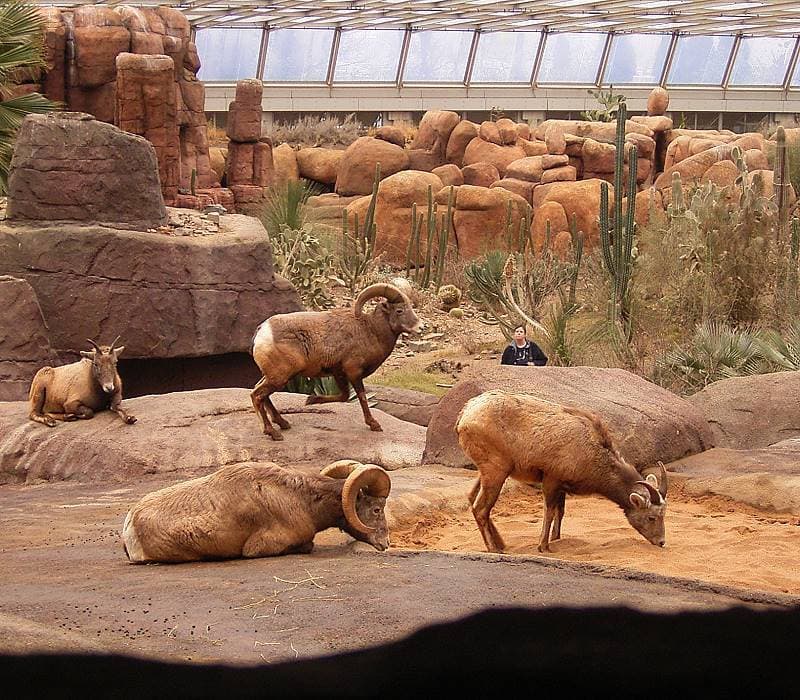
Royal Burgers' Zoo, located in Arnhem, Netherlands, is a prominent 45-hectare zoological park established in 1913. It is distinguished by its "ecodisplays," immersive, themed habitats that replicate diverse ecosystems from tropical rainforests to deserts and oceans, making it a significant destination for visitors and a leader in animal welfare and conservation.

Dierenpark Amersfoort
Dierenpark Amersfoort is a 20-hectare zoo located in Amersfoort, Netherlands, on the edge of the Birkhoven forest. Founded in 1948, it has grown from a small collection to house over 100 animal species, attracting around 800,000 visitors annually. The zoo is known for its themed areas and unique miniature railway.