
Burgers' Zoo
Netherlands·Ecodisplay Zoo·20th century
Royal Burgers' Zoo, located in Arnhem, Netherlands, is a prominent 45-hectare zoological park established in 1913. It is distinguished by its "ecodisplays," immersive, themed habitats that replicate diverse ecosystems from tropical rainforests to deserts and oceans, making it a significant destination for visitors and a leader in animal welfare and conservation.
Key Facts
- ›The zoo spans 45 hectares (110 acres) in Arnhem, Netherlands.
- ›It was founded by Johan Burgers in 1913.
- ›Burgers' Zoo features eight themed ecodisplays, including a large indoor tropical rainforest, a desert biome, and an 8,000,000-liter seawater aquarium.
- ›The zoo is a member of several international zoological associations, including EAZA and WAZA.
- ›It actively supports conservation efforts through breeding programs for endangered species like the Socorro dove and by funding international nature projects.
- ›Burgers' Zoo receives approximately 1 million visitors annually.
Burgers' Safari, Burgers' Bush, Burgers' Mangrove, Burgers' Desert, Burgers' Ocean, Burgers' Rimba
Socorro Dove, Sumatran Tigers, Sri Lankan Leopards
Breeding Program For Socorro Dove, Support For Future For Nature Foundation, Protection of a nature reserve in Belize
About Burgers' Zoo
Royal Burgers' Zoo
Royal Burgers' Zoo, commonly known as Burgers' Zoo, is a significant zoological park located in Arnhem, Netherlands. Established in 1913 by Johan Burgers, the zoo encompasses 45 hectares and is recognized as one of the largest zoos in the country. It draws approximately one million visitors annually, attracting both domestic and international guests, particularly from Germany.
Ecodisplays
A defining feature of Burgers' Zoo is its innovative "ecodisplays," which are large, immersive habitats designed to replicate diverse natural ecosystems. These include:
- Burgers' Safari: Formerly a safari park, this area now features a large plain for animals.
- Burgers' Bush: A 1.5-hectare indoor tropical rainforest.
- Burgers' Mangrove: A dedicated mangrove swamp exhibit, with a 3,000 square meter hall updated in 2017.
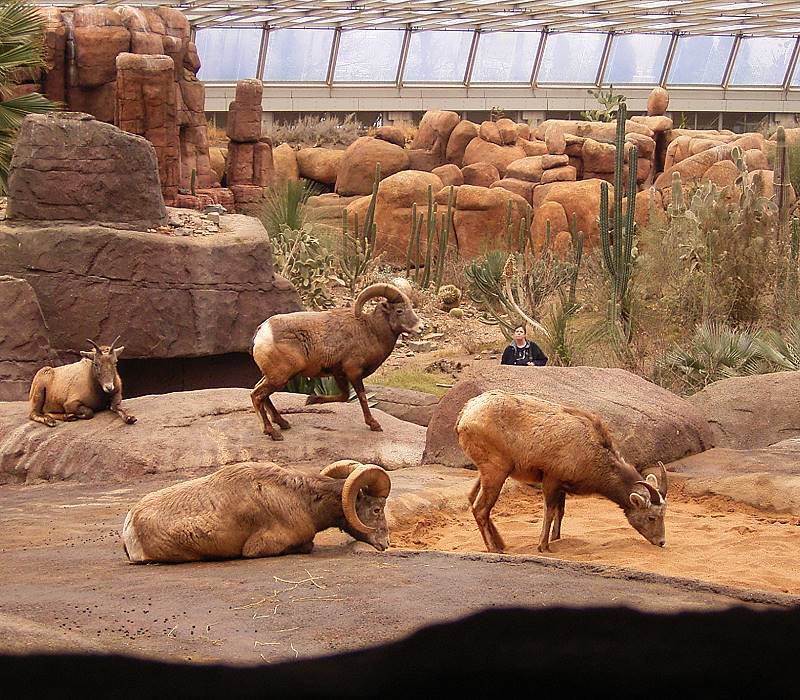
- Burgers' Desert: A 0.75-hectare indoor desert exhibit, focusing on the Sonoran Desert.
- Burgers' Ocean: An impressive 8,000,000-liter seawater aquarium, featuring a large ocean tank with sharks and other fish, and a coral reef tank with tropical fish and invertebrates.
- Burgers' Rimba: Opened in 2008, this area offers a glimpse into a Southeast Asian rainforest environment and houses animals such as Sumatran tigers, Malayan sun bears, and Sri Lankan leopards.
Conservation and Research
Burgers' Zoo is deeply committed to wildlife conservation and research. The zoo has achieved success in breeding marine life, including fish and corals for its own aquarium, and is capable of supplying animals to other public aquariums. They employ techniques like using an artificial moon to stimulate coral reproduction. The zoo also engages in captive breeding programs for endangered and threatened species, such as the Socorro dove, with the ultimate goal of reintroduction into their natural habitats. Furthermore, Burgers' Zoo actively supports various impactful, albeit small-scale, nature conservation projects globally. This includes their collaboration with the Swiss animal park Papiliorama to protect a 355 square kilometer nature reserve in Belize. The Lucie Burgers Foundation, established to encourage and facilitate comparative behavioral research, aims to enhance understanding of animal behavior and ecology.
Visitor Amenities
Beyond its zoological and conservation functions, Burgers' Zoo provides amenities for visitors, including playgrounds like Burgers' Avonturenland and Burgers' Kids Jungle, offering recreational spaces for families.
Source: Wikipedia ↗
Frequently Asked Questions
What are the main attractions at Burgers' Zoo?
Burgers' Zoo is known for its "ecodisplays," which are large, immersive habitats designed to replicate natural environments. These include Burgers' Bush (a tropical rainforest), Burgers' Desert (Sonoran Desert), Burgers' Ocean (a large aquarium), and Burgers' Rimba (a Southeast Asian rainforest).
Does Burgers' Zoo have an aquarium?
Yes, Burgers' Zoo features Burgers' Ocean, an 8,000,000-liter seawater aquarium. It houses a significant ocean tank with sharks and other fish, as well as a coral reef tank with tropical fish and invertebrates.
What conservation efforts are undertaken by Burgers' Zoo?
The zoo is involved in breeding programs for endangered species, such as the Socorro dove, with the aim of reintroduction into the wild. They also support international nature conservation projects, including a nature reserve in Belize and the Future For Nature Foundation.
When was Burgers' Zoo founded?
Burgers' Zoo was founded in 1913 by Johan Burgers.
What is the size of Burgers' Zoo?
The zoo covers an area of 45 hectares, which is equivalent to approximately 110 acres.
What types of animals can be seen at Burgers' Zoo?
The zoo houses a diverse range of animals within its themed ecodisplays. The Rimba area, for example, features Sumatran tigers, Malayan sun bears, golden-cheeked gibbons, and Sri Lankan leopards, among others.
Related Zoos

Diergaarde Blijdorp
Diergaarde Blijdorp, officially Rotterdam Zoo, is one of the oldest zoos in the Netherlands, established in 1857. It is a significant zoological institution, operating under the Stichting Koninklijke Rotterdamse Diergaarde and divided into distinct zoogeographic regions. The zoo is notable for its extensive species collection, its historical relocation and architectural design, and its recent expansion including the Oceanium aquarium.

Dolfinarium Harderwijk
Dolfinarium Harderwijk, commonly known as the Dolfinarium, is the largest marine mammal park in Europe, located in Harderwijk, the Netherlands. Founded in 1965, it was established with the goal of fostering respect and awe for marine mammals among the Dutch population. The park features various themed areas for different species and offers educational and therapeutic programs.

Ouwehands Dierenpark
Ouwehands Dierenpark is a zoo located in Rhenen, in the Dutch province of Utrecht. Originally established as a small farm by Cor Ouwehand, it evolved into a zoo in the 1930s and has since grown into a significant attraction, particularly noted for its introduction of giant pandas.