
Baghdad Zoo
The Baghdad Zoo is a 200-acre zoological park located in Baghdad, Iraq, within the Al-Zawraa Park complex. Originally opened in 1971, it suffered near-total destruction during the 2003 invasion of Iraq, with most of its animals lost. Following a significant rebuilding effort, the zoo has since reopened and continues to serve as a public attraction and a symbol of resilience.
Key Facts
- ›Established in 1971.
- ›Covers an area of 200 acres (81 ha).
- ›Suffered extensive damage during the 2003 invasion, with only about 35 animals surviving.
- ›Reopened in 2003 and currently houses approximately 1,070 animals.
- ›Located in the Al-Zawraa Park area of Baghdad.
- ›The zoo's rebuilding efforts involved international conservationists and U.S. Army engineers.

Mandor, Riley, Hope
About Baghdad Zoo
The Baghdad Zoo is a zoological park situated in Baghdad, Iraq, within the Al-Zawraa Park complex. Originally established in 1971, it encompasses an area of 200 acres (81 ha). The zoo faced a catastrophic period during the 2003 invasion of Iraq, which resulted in its near-total destruction and the loss of most of its animal inhabitants.
History and Devastation
Opened under Ahmed Hassan al-Bakr, the zoo's early facilities were noted as insufficient. The United Nations Iraq sanctions following the first Gulf War had already impacted the zoo's resources, limiting access to food, medicines, and vaccines. In the spring of 2002, Saddam Hussein ordered the zoo closed for renovations.
The 2003 invasion brought about the zoo's most devastating period. As fighting intensified around Baghdad, zoo workers suspended feeding for safety, and Fedayeen Saddam troops took defensive positions. During this time, the zoo was subjected to severe looting, with cages broken open and hundreds of animals and birds released or taken, many for food due to pre-war shortages. Out of an estimated 650 to 700 animals, only about 35, primarily larger animals, survived the initial days of the invasion. Remaining animals were found in critical condition from thirst and starvation. Several lions escaped and were later rounded up by American soldiers, with four being shot after attacking troops. The fictionalized graphic novel Pride of Baghdad was inspired by these escaped lions.
Rebuilding and Recovery
In the aftermath of the invasion, a significant rebuilding effort commenced. In mid-April 2003, South African conservationist Lawrence Anthony, along with two assistants, traveled from Kuwait to provide relief. Working with returning zoo staff and directors, they began caring for the surviving animals, restoring basic hygiene, and stabilizing the situation. U.S. Army Captain William Sumner was instrumental in improving security and stemming looting, appointing Anthony as interim zoo administrator. Other conservation organizations, including Wildaid, Care for the Wild International, and IFAW, also contributed to the rescue and restoration.
The zoo and its surrounding park officially reopened to the public on July 20, 2003, featuring 86 animals. Many of these were rescued from various private menageries and palaces. The rebuilding process was documented in the book Babylon's Ark by Lawrence Anthony and Graham Spence.
Setbacks and Continued Operation
Despite the progress, the zoo experienced setbacks. In September 2003, a U.S. Army Reserve soldier was severely mauled by a Bengal tiger during a party held at the zoo after hours. The tiger was fatally wounded during the incident. In 2009, three wild boars were euthanized due to concerns about potential A/H1N1 flu infection.
By 2008, the zoo's animal population had grown to approximately 800, predominantly birds. In August 2008, the zoo received two tiger cubs, Riley and Hope, from the Conservators' Center in North Carolina. By 2009, the zoo reported a population of about 1,070 animals. To ensure visitor safety, the Al Zawraa Park is now guarded by special police units, with visitors undergoing security checks. The zoo continues to operate as a public attraction in Baghdad.
Source: Wikipedia ↗
Frequently Asked Questions
When was the Baghdad Zoo established?
The Baghdad Zoo was originally opened in 1971. Its facilities were expanded and renovated over the years, with a significant rebuilding effort occurring after the 2003 invasion.
What happened to the Baghdad Zoo during the 2003 invasion of Iraq?
The zoo was nearly destroyed during the 2003 invasion. Looting and the suspension of feeding led to the loss of most of its animals, with only about 35 surviving out of an original population of 650 to 700.
How many animals does the Baghdad Zoo house?
Before the 2003 invasion, the zoo housed around 650 animals. After its destruction and subsequent reopening, it now houses approximately 1,070 animals, though most of these are birds.
Who was involved in the rebuilding of the Baghdad Zoo?
The rebuilding efforts involved South African conservationist Lawrence Anthony, along with Baghdad Zoo directors Dr. Adel Salman Mousa and Dr. Husham Mohamed Hussan. U.S. Army Captain William Sumner also played a key role in improving security and managing the zoo, and other conservation organizations provided support.
What notable animals were at the Baghdad Zoo?
Before the 2003 invasion, the zoo housed a Siberian tiger named Mandor, which was the personal property of Uday Hussein. After the rebuilding, the zoo received two tiger cubs, Riley and Hope, from the Conservators' Center in North Carolina.
What is the current status of the Baghdad Zoo?
The zoo reopened to the public in July 2003 after renovations and improvements. It continues to operate and is located within the Al-Zawraa Park, which is guarded by special police units for visitor safety.
Related Zoos
Banham Zoo
Banham Zoo is a 50-acre zoological garden located in Banham, Norfolk, England, that opened to the public in 1968. It is part of the Zoological Society of East Anglia, a registered charity, and is known for its extensive collection of monkeys and its award-winning status as Norfolk's Top Attraction.
Chapultepec Zoo
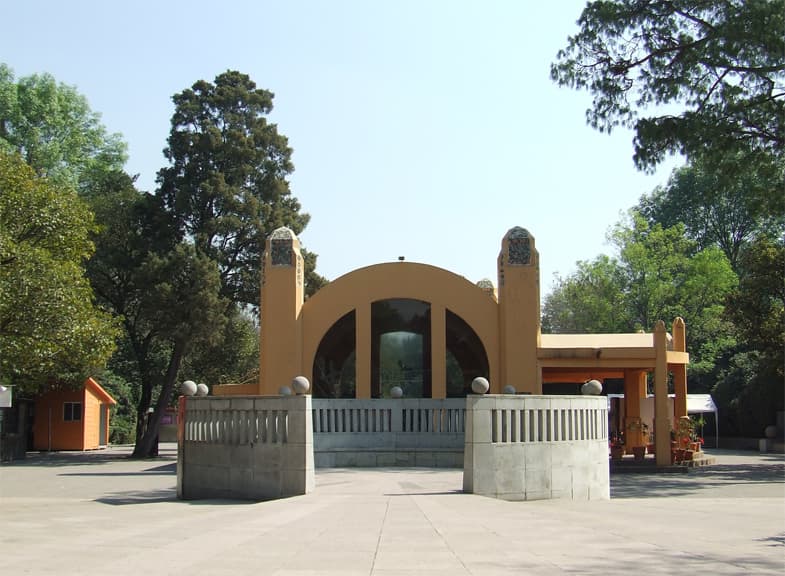
Chapultepec Zoo, also known as Zoológico de Chapultepec, is a prominent zoo located in Mexico City's Chapultepec Park. Established in 1923, it is renowned for its significant contributions to conservation, particularly its groundbreaking success in breeding giant pandas outside of China and its efforts with the critically endangered Mexican wolf and California condor.

Dalseong Park
Dalseong Park is a historic public park located in Daegu, South Korea, notable for its ancient fortress ruins and its designation as a Historic Site of South Korea. The park features a local history hall, monuments, and a zoo, making it a multifaceted destination for cultural and recreational visits.