
Chapultepec Zoo
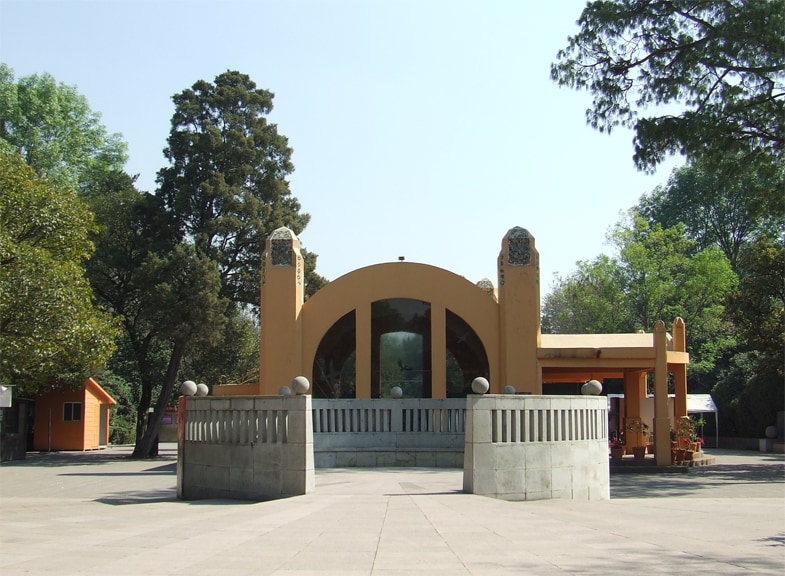
Chapultepec Zoo, also known as Zoológico de Chapultepec, is a prominent zoo located in Mexico City's Chapultepec Park. Established in 1923, it is renowned for its significant contributions to conservation, particularly its groundbreaking success in breeding giant pandas outside of China and its efforts with the critically endangered Mexican wolf and California condor.
Key Facts
- ›Founded on July 6, 1923, by biologist Alfonso Luis Herrera.
- ›Houses nearly 2000 animals representing over 200 species.
- ›Achieved the first captive breeding of giant pandas outside of China.
- ›First institution outside the United States to successfully breed California condors.
- ›Successfully bred the first litter of Mexican wolf cubs from released wolves.
- ›Completely remodeled between 1992 and 1994 with a focus on modern zoo objectives and bio-climatic zones.
Butterfly House, Insectarium, Sharks, Desert, Grasslands, Herpetarium, Dinosaurium, Coastal Strip, Aviary, Temperate Forest, Tropical Forest
Giant Pandas, California Condors, Mexican Wolves
Giant Panda Breeding Program, California Condor Breeding Program, Mexican Wolf Breeding Program
About Chapultepec Zoo
Chapultepec Zoo, officially known as Zoológico de Chapultepec, is a significant zoological institution located within the expansive Chapultepec Park in Mexico City. Founded on July 6, 1923, by Mexican biologist Alfonso Luis Herrera, the zoo was established with the vision of exhibiting native Mexican species alongside those from around the world, aiming to foster recreation, education, research, and wildlife conservation.
History and Development
The zoo's origins trace back to Herrera's desire to emulate the esteemed aviary and zoo of Moctezuma II. Initial funding came from private donations and governmental contributions, with the early collection comprising 243 animals, including native species from various Mexican states and animals acquired through international exchanges. The zoo officially opened in 1924 and initially focused on popular species for public recreation. A significant period of development occurred between 1950 and 1960 under Mayor Ernesto P. Uruchurtu, which saw the acquisition of new species and a renovation of the existing collection.
A pivotal moment in the zoo's history was the arrival of a pair of giant pandas from the People's Republic of China in September 1975. This marked the beginning of Chapultepec Zoo's celebrated success in breeding giant pandas outside of China, making it the first institution globally to achieve this feat. The zoo has since welcomed eight giant panda births.
From June 1992 to August 1994, the zoo underwent a comprehensive remodeling project, "Ecological Rescue Chapultepec Zoo." This initiative transformed the zoo's exhibition strategy from a taxonomic classification to a bio-climatic zone approach, grouping animals by their natural habitats—cold and wet, cold and dry, hot and humid, and hot and dry—to create more naturalistic environments and enhance visitor understanding.
Conservation and Breeding Achievements
Chapultepec Zoo is particularly renowned for its successful breeding programs for threatened and endangered species. Beyond its groundbreaking work with giant pandas, the zoo has also achieved the distinction of being the first institution outside the United States to successfully breed California condors in captivity. Furthermore, it has contributed to the recovery of the Mexican wolf by achieving the first litter of cubs born to released wolves.
The zoo actively houses and works to conserve several important native Mexican species facing endangerment, including the volcano rabbit, Mexican wolf, jaguar, thick-billed parrot, ocellated turkey, axolotl, and the red-kneed tarantula. To support these efforts, a reproductive physiology laboratory was established in 1998, fostering collaboration with national and international institutions to advance wildlife conservation.
Notable Animals and Exhibits
The zoo's collection includes a wide array of species, with a particular focus on animals native to Mexico. Among its most famous residents have been the giant pandas, with individuals like Tohui, who became a cultural icon, and Xin Xin, a naturally conceived panda. The zoo also features various themed exhibits, including a Butterfly House, Insectarium, Herpetarium, Aviary, and enclosures designed to represent desert, grassland, coastal, temperate forest, and tropical forest environments. While the article mentions an aquarium and a "Dinosaurium," the primary focus of its conservation and breeding successes lies with its mammals and birds.
Source: Wikipedia ↗
Frequently Asked Questions
When was Chapultepec Zoo founded?
Chapultepec Zoo was founded on July 6, 1923. It officially opened its doors to the public in 1924.
What is Chapultepec Zoo most famous for?
The zoo is especially famous for its success in giant panda breeding, being the first institution outside of China to achieve captive breeding of the species. It is also recognized for its work with endangered species like the Mexican wolf and California condor.
What are some notable animal breeding successes at Chapultepec Zoo?
Chapultepec Zoo has a notable history of breeding success. It was the first institution outside of China to successfully breed giant pandas in captivity and the first outside the United States to breed California condors. It also achieved the first litter of Mexican wolf cubs born to released wolves.
How was the zoo renovated?
Between 1992 and 1994, Chapultepec Zoo underwent a complete remodel as part of the 'Ecological Rescue Chapultepec Zoo' project. This renovation involved experts in design, engineering, biology, and veterinary medicine to align with modern zoo objectives of recreation, education, research, and conservation.
How are animals organized in the zoo?
Following its renovation, the zoo's exhibition concept changed from taxonomic grouping to bio-climatic zones. Animals are now grouped according to their natural habitat, reflecting four climates: cold and wet, cold and dry, hot and humid, and hot and dry. This setup aims to better recreate natural environments and enhance visitor understanding.
What endangered species are housed at Chapultepec Zoo?
Chapultepec Zoo houses several important native Mexican endangered or threatened species. These include the volcano rabbit, Mexican wolf, jaguar, thick-billed parrot, ocellated turkey, axolotl, and the red-kneed tarantula.
Related Zoos

Guadalajara Zoo
Zoológico Guadalajara, also known as Guadalajara Zoo, is the primary zoological park in Guadalajara, Jalisco, and is recognized as one of Latin America's most significant. It is the largest zoo in Mexico by species population and is situated within the natural setting of the Barranca de Oblatos (Huentitan Canyon), a site the zoo actively works to preserve.

Zoológico Los Coyotes
Zoológico Los Coyotes is the third zoo established in Mexico City, Mexico, opening its doors on February 2, 1999. It was developed on the site of a former animal seizure center that had fallen into disrepair. The zoo's primary focus is to showcase the endemic and native fauna of Mexico, notably featuring two coyotes, the species from which the zoo derives its name.

Africam Safari
Africam Safari is a Mexican zoological park established in 1972 by Captain Carlos Camacho Espíritu. Located near Puebla, it aims to provide a naturalistic environment for animals to thrive and reproduce, allowing visitors to observe them in habitats that closely mimic their wild surroundings. The park is recognized by major zoological associations like AZA and WAZA.