
Bangabandhu Sheikh Mujib Safari Park
Bangabandhu Sheikh Mujib Safari Park, formerly Gazipur Safari Park, is a vast wildlife enclosure located in Gazipur, Bangladesh. Spanning 3,810 acres, it ranks among the world's largest safari parks and is the biggest in Asia, offering visitors a chance to observe animals in a naturalistic setting. The park was inaugurated in 2013 and features distinct zones for various animal species.
Key Facts
- ›Covers 3,810 acres (1,540 ha) of Sal Forest.
- ›Inaugurated on October 31, 2013.
- ›Home to approximately 3,000 animals and birds from 47 species.
- ›Features 6 major sections including Core Safari, Safari Kingdom, and Biodiversity Park.
- ›Located approximately 40 km north of Dhaka.
- ›The park's name has been a subject of political contention.

Core Safari, Safari Kingdom, Biodiversity Park, Extensive Asian Safari Park
Tiger, Lion, Elephant, Zebra, Gharial
About Bangabandhu Sheikh Mujib Safari Park
Bangabandhu Sheikh Mujib Safari Park, originally known as Gazipur Safari Park, is a significant wildlife attraction located in Gazipur, Bangladesh. Inaugurated on October 31, 2013, it stands as one of the largest safari parks globally and is the most expansive in Asia, covering an impressive 3,810 acres of Sal Forest.
Location and Scale
The park's vast expanse is situated approximately 40 kilometers north of Bangladesh's capital city, Dhaka, conveniently accessible near the Dhaka—Mymensingh Highway. Its considerable size allows for the creation of naturalistic habitats for a diverse array of animals.
Park Structure and Inhabitants
Bangabandhu Sheikh Mujib Safari Park is thoughtfully divided into six major sections, designed to offer varied visitor experiences and species-specific environments. These sections include the Core Safari, Safari Kingdom, Biodiversity Park, Extensive Asian Safari Park, Bangabandhu Square, and a Children's Park. The park is home to a population of around 3,000 animals and birds, representing 47 different species, of which 28 are native to the region. Among the notable animals housed within its boundaries are tigers, lions, elephants, zebras, deer, hippopotamuses, alligators, kangaroos, and various bird species like swans and peafowl.
Core Safari Zone
A key area within the park is the Core Safari zone, which spans 1,335 acres. This section is dedicated to allowing visitors to observe animals in a more naturalistic setting from within authorized buses. Specific areas within the Core Safari are allocated for species such as tigers, lions, black bears, African cheetahs, chital, gaur, elephants, hippos, deer, nilgai, buffalo, and an African safari zone.
Naming and Reopening
The park's designation has been a subject of political discourse. Previously known as Sheikh Mujib Safari Park, its name was altered following political events, leading to instances of vandalism at the park's signage. The park was subsequently renamed and reopened to visitors on November 15, 2024.
Visitor Experience
Described by The Daily Star as "one of the best latest tourist additions," the safari park attracts a steady stream of visitors, particularly from Dhaka, offering a unique opportunity to connect with wildlife in a controlled yet naturalistic environment.
Source: Wikipedia ↗
Frequently Asked Questions
When was Bangabandhu Sheikh Mujib Safari Park established?
The park was inaugurated on October 31, 2013. It was later reopened for visitors on November 15, 2024, after a name change.
How large is Bangabandhu Sheikh Mujib Safari Park?
The safari park is spread over an extensive 3,810 acres (1,540 ha) of Sal Forest. This makes it one of the largest safari parks globally and the largest in Asia.
What types of animals can be found at the park?
The park is home to approximately 3,000 animals and birds across 47 species, with 28 of these species being local. Notable animals include tigers, lions, elephants, zebras, deer, swans, butterflies, ducks, snakes, bears, peafowl, nilgai, hippopotamuses, alligators, kangaroos, and gharials.
What are the main sections of the park?
Bangabandhu Sheikh Mujib Safari Park is divided into six major sections. These include the Core Safari, Safari Kingdom, Biodiversity Park, Extensive Asian Safari Park, Bangabandhu Square, and a Children's Park.
Where is the park located?
The park is situated in Gazipur, Bangladesh, approximately 40 km (25 mi) north of the capital city, Dhaka. It is located near the Dhaka — Mymensingh Highway.
Why has the park's name been a subject of opposition?
The park, formerly known as Sheikh Mujib Safari Park, bore the name of Sheikh Mujibur Rahman, which became a point of contention following political changes. The nameplate and other areas experienced vandalism, leading to its subsequent renaming.
Related Zoos

Bangladesh National Zoo
The Bangladesh National Zoo, formerly known as Dhaka Zoo, is the largest zoological garden in Bangladesh, located in the Mirpur section of Dhaka. Established in 1974, it houses a diverse collection of native and non-native animals and attracts millions of visitors annually, though it has faced criticism for animal welfare and management issues.

Chittagong Zoo
Chittagong Zoo is a zoological garden located in Chittagong, Bangladesh, situated near the popular tourist spot Foy's Lake. It is particularly known for being the birthplace of the first white tiger in Bangladesh in 2018, and it houses a significant population of tigers. The zoo serves as a recreational and educational facility for visitors.
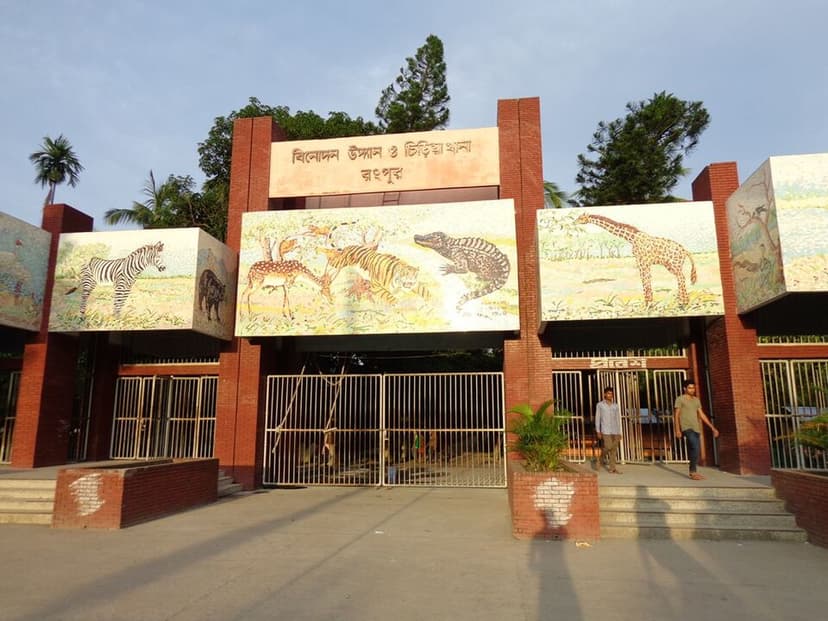
Rangpur Zoo
Rangpur Zoo, also known as Rangpur Central Zoo, is a significant zoological park located in Rangpur, Bangladesh. It holds the distinction of being the largest zoo in North Bengal and the second largest in the entire country by size, serving as a key recreational spot for the city.