
Beijing Zoo
Beijing Zoo, founded in 1906, is the oldest zoo in China and a significant zoological research center. It is renowned for its extensive collection of rare Chinese endemic species, particularly its giant pandas, and boasts one of the largest animal collections in the country, attracting over five million visitors annually.
Key Facts
- ›Founded in 1906, it is the oldest zoo in China.
- ›Covers an area of 89 hectares (220 acres), including 5.6 hectares of lakes and ponds.
- ›In 2015, housed over 450 species of land animals and over 500 species of marine animals, totaling 14,500 animals.
- ›Famous for its collection of rare Chinese endemic animals, including giant pandas and golden snub-nosed monkeys.
- ›Attracts over five million visitors each year.
- ›Includes the Beijing Aquarium, which opened in 1999.

Panda Hall, Lion-Tiger Mountain, Elephant House, Primate House, Reptile House
Giant Pandas, Red Pandas, Golden Snub-Nosed Monkeys, South China Tigers, White-Lipped Deer, PèRe David's Deer, Crested Ibises, Chinese Alligators, Chinese Giant Salamanders, Siberian Tiger, Przewalski's Horses
- Breeding program for critically endangered species like the Northern white-cheeked gibbon and Guizhou snub-nosed monkey.
- Breeding programs for giant pandas, golden takins, and Père David's deer.
About Beijing Zoo
Beijing Zoo is a historic zoological park located in Xicheng District, Beijing, China. Established in 1906 during the late Qing dynasty, it holds the distinction of being the oldest zoo in China and the oldest public park in northern China. Beyond its role as a popular tourist attraction, the zoo serves as a significant center for zoological research, focusing on the study and breeding of rare animals from across the globe.
History and Development
The grounds of Beijing Zoo were initially part of an imperial manor during the Ming dynasty and later became an estate during the Qing dynasty. In 1906, the Imperial Ministry for Agricultural, Industry and Commerce established an experimental farm on this land, which included a botanical garden and a small menagerie. This menagerie, comprising animals largely purchased from Germany, is considered China's earliest public zoo. The farm opened to visitors in 1908 and was known as the Wanshouyuan, or "Garden of Ten Thousand Beasts." The zoo's architecture reflects its history, featuring classical Chinese garden elements alongside structures like Changguanlou, a well-preserved Baroque-style palace built in 1908.
Following the overthrow of the Qing dynasty, the zoo transitioned into a national botanical garden. It faced significant challenges during the Second Sino-Japanese War, with many animals perishing due to neglect and deliberate poisoning by occupying forces. After the establishment of the People's Republic of China in 1949, the zoo underwent a period of rebuilding and expansion. It was renamed Beijing Zoo in 1955, and its collection was augmented through exchanges with Eastern Bloc countries and donations from zoos like the Moscow Zoo. The zoo also developed an off-site breeding center near the Ming Tombs.
The Cultural Revolution brought a halt to the zoo's development and international collaborations. However, in the 1970s, as China forged diplomatic ties with Western countries, the zoo received animals from various nations and organized expeditions to Africa, greatly expanding its collection. In recent decades, Beijing Zoo has maintained an active breeding program, successfully producing offspring of numerous species, including critically endangered ones.
Collection and Features
Beijing Zoo occupies an area of 89 hectares (220 acres), including picturesque lakes and ponds. It is home to one of the largest animal collections in China, featuring over 450 species of land animals and over 500 species of marine animals. The zoo is particularly celebrated for its collection of rare Chinese endemic species, with giant pandas being its most popular attraction. Other notable native animals include red pandas, golden snub-nosed monkeys, South China tigers, white-lipped deer, Père David's deer, crested ibises, Chinese alligators, and Chinese giant salamanders. The zoo also houses a variety of other endangered and threatened species, such as Siberian tigers, snow leopards, and Przewalski's horses.
Complementing the zoological park is the Beijing Aquarium, situated on the northern bank of the Chang River. Opened in 1999, it is the largest aquarium in China, showcasing a vast array of fish and marine mammals, and offering performances by dolphins, belugas, and sea lions.
Visitor Experience and Research
With grounds designed to resemble classical Chinese gardens, Beijing Zoo offers visitors a blend of natural scenery with flower beds, dense groves of trees, meadows, streams, lotus pools, and hills dotted with pavilions and historical buildings. The zoo's infrastructure includes over 30 large halls dedicated to various animal groups, such as the Elephant Hall, Lion-Tiger Hall, Monkey Hall, and Panda Hall. It attracts over five million visitors annually.
The zoo actively participates in conservation efforts, maintaining breeding programs for endangered species. It also fosters research collaborations with leading Chinese universities, focusing on animal behavior and breeding initiatives. Despite its historical and scientific importance, the zoo has faced controversies, including reports of exotic animal dishes being served at an on-site restaurant, which drew criticism for being inappropriate for a zoological institution.
Source: Wikipedia ↗
Frequently Asked Questions
When was Beijing Zoo established?
Beijing Zoo was established in 1906 during the late Qing dynasty. It was originally part of an imperial manor and later became an experimental farm with a small menagerie.
What is Beijing Zoo known for?
Beijing Zoo is well known for its collection of rare animals endemic to China, most notably its giant pandas. It also houses other popular species like red pandas and golden snub-nosed monkeys.
What is the size of Beijing Zoo?
The zoo occupies an area of 89 hectares (220 acres), which includes 5.6 hectares (14 acres) dedicated to lakes and ponds.
Does Beijing Zoo have an aquarium?
Yes, the Beijing Aquarium is located within the zoological park. Opened in 1999, it is the largest aquarium in China and features a vast number of fish species and marine mammals.
What types of animals can visitors see at Beijing Zoo?
Visitors can see a diverse range of animals, including iconic Chinese species like giant pandas and red pandas, as well as endangered species such as Siberian tigers and snow leopards. The collection also includes elephants, lions, primates, and various bird species.
What historical significance does Beijing Zoo hold?
Beijing Zoo is the oldest zoo in China and the oldest public park in northern China. Its grounds contain historical buildings, including Changguanlou, a Baroque-style palace built for Empress Dowager Cixi.
Related Zoos

Chongqing Zoo
Chongqing Zoo is a significant zoological institution located in Chongqing, China, established in 1953 and opened in 1955. It serves as a vital center for wildlife protection and research, housing a diverse collection of rare species and playing a role in conservation efforts.
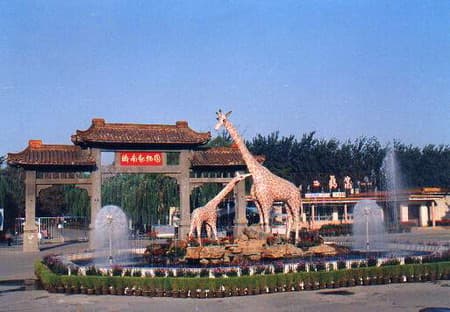
Jinan Zoo
Jinan Zoo, formerly known as Taurus Park, is a major zoological institution located in Jinan, Shandong province, Eastern China. Established in 1959 and opened in 1960, it has grown into one of China's largest zoos, recognized in 1995 as one of the country's top ten. The zoo is a comprehensive facility engaged in animal breeding, research, education, entertainment, and tourism, attracting over a million visitors annually.

Chengdu Zoo
Chengdu Zoo is a major zoological park located in Chengdu, China, recognized as the largest zoo in southwest China and the fourth largest in the country. It is renowned for its collection of giant pandas, housing three individuals and having a significant history of breeding them, making it a key destination for those interested in these iconic animals.