
Jinan Zoo
Jinan Zoo, formerly known as Taurus Park, is a major zoological institution located in Jinan, Shandong province, Eastern China. Established in 1959 and opened in 1960, it has grown into one of China's largest zoos, recognized in 1995 as one of the country's top ten. The zoo is a comprehensive facility engaged in animal breeding, research, education, entertainment, and tourism, attracting over a million visitors annually.
Key Facts
- ›Founded in October 1959, opened to the public on May 1, 1960.
- ›Renamed Jinan Zoo on September 8, 1989, having been previously known as Taurus Park.
- ›Houses over 5,000 animals representing more than 300 different species.
- ›Recognized as one of China's top ten zoos in 1995.
- ›Features four zones: animal display, entertainment, education, and catering.
- ›Attracts over one million visitors per year.
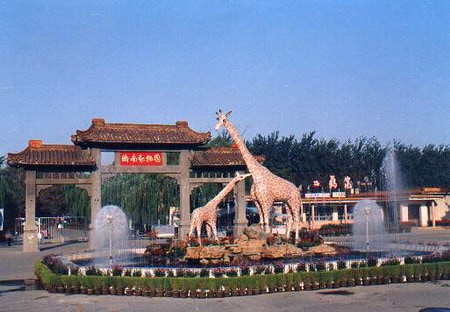
Peacock Roaming Area, Herbivore Natural Habitat Exhibit
Willie the Wolf, Taotao the Giant Panda, Quan Quan the Giant Panda, Giant Pandas, Golden Snub-Nosed Monkeys, Asian Elephants, White Tigers
- Breeding Programs For Golden Snub-Nosed Monkeys
- Breeding Programs For Asian Elephants
- Breeding Programs For Gibbons
- Breeding Programs For Langurs
- Breeding Programs For Takin
- Breeding Programs For Black Storks
- Breeding Programs For White Storks
- Breeding Programs For Western Grey Kangaroos
- Breeding Programs For White-Lipped Deer
- Breeding Programs For Giraffes
- Breeding Programs For Seals
About Jinan Zoo
Jinan Zoo, originally established as Taurus Park, is a significant zoological institution located in the northern part of Jinan, Shandong province, in Eastern China. Its foundation dates back to October 1959, with its public opening on May 1, 1960. The zoo was officially renamed Jinan Zoo on September 8, 1989. It has since grown to become one of the largest zoos in China and was recognized in 1995 as one of the country's top ten zoos. Today, Jinan Zoo is a large-scale facility that integrates animal breeding, zoological research, public tours, entertainment, and catering services, drawing over one million visitors annually.
History and Development
Since its opening in 1960, Jinan Zoo has undergone considerable development. In the 1970s, the zoo cultivated extensive bamboo forests, covering five hectares, to support its giant panda and red panda populations. A key focus has been creating naturalistic environments that closely simulate the animals' native habitats. The zoo is structured into four distinct zones: animal display, entertainment, education, and catering. Notable developments include the construction of a free-roaming peacock area in 1999 and, in 2000, an advanced herbivore natural habitat exhibit that allows visitors to walk through. Further investment in 2001 led to the creation of a facility designed to foster human-animal interaction for young people.
Animal Collection and Breeding
Jinan Zoo houses a diverse collection of animals, totaling over 5,000 individuals from more than 300 species. Among the species native to China are giant pandas, golden snub-nosed monkeys, Asian elephants, takins, kiang, white-lipped deer, hoolock gibbons, Francois' langurs, red foxes, and red-crowned cranes. Popular attractions include giant pandas, grey wolves, golden snub-nosed monkeys, white tigers, Bengal tigers, leopards, giraffes, gorillas, zebras, and egrets. The zoo also houses African elephants, chimpanzees, and orangutans.
The zoo has a strong track record in breeding programs. In 1992, it achieved success in breeding endangered golden snub-nosed monkeys, becoming one of the few institutions to do so. An area known as the 'hundred-bird paradise' was established in 1998 to house over 150 bird species and promote breeding. Successful breeding efforts extend to other species such as Asian elephants, gibbons, langurs, takin, various stork species, kangaroos, white-lipped deer, giraffes, and seals.
Notable Individuals and Future Plans
Jinan Zoo has been home to individual animals of note. Willie, a male wolf born in Germany, became famous for his devoted behavior towards a female wolf named Lady. Taotao, a giant panda born in Gansu province, was a star attraction from 1994 to 2008 and, at 36 years old, was China's oldest living giant panda at the time of her death from a brain hemorrhage. Her remains were preserved at the zoo due to her significant influence. Quan Quan, a giant panda on loan from Wolong Nature Reserve, arrived in 2007 and was named by popular vote.
Looking ahead, Jinan Zoo plans to reduce the use of fences and walls to enhance the environment for both animals and visitors, though safety considerations are paramount. The zoo also aims to increase opportunities for human-animal interaction in the near future.
Source: Wikipedia ↗
Frequently Asked Questions
When was Jinan Zoo established?
Jinan Zoo was founded in October 1959 and officially opened its doors to the public on May 1, 1960. It was later renamed Jinan Zoo on September 8, 1989.
How many animals and species are at Jinan Zoo?
The zoo is home to over 5,000 animals, encompassing more than 300 different species. This diverse collection includes many species native to China as well as other global fauna.
What are the most popular attractions at Jinan Zoo?
Jinan Zoo's most popular attractions include its giant pandas, grey wolves, golden snub-nosed monkeys, white tigers, Bengal tigers, leopards, giraffes, gorillas, zebras, and egrets. The zoo also features a unique peacock roaming area.
Does Jinan Zoo have any notable individual animals?
Yes, Jinan Zoo has housed notable animals such as Willie the wolf, known for his unique bond with a female wolf named Lady, and Taotao, a giant panda who was China's oldest living giant panda at the time of her death in 2008.
What conservation efforts are undertaken by Jinan Zoo?
Jinan Zoo actively participates in breeding programs for various species, including endangered ones like golden snub-nosed monkeys, which it has successfully bred. The zoo also aims to create naturalistic habitats to support animal welfare and breeding.
What facilities does Jinan Zoo offer visitors?
Beyond animal exhibits, Jinan Zoo provides entertainment, educational programs, and catering services. It has also invested in advanced natural habitat exhibits, such as a herbivore exhibit visitors can walk through, and facilities for young people to interact with animals.
Related Zoos

Beijing Zoo
Beijing Zoo, founded in 1906, is the oldest zoo in China and a significant zoological research center. It is renowned for its extensive collection of rare Chinese endemic species, particularly its giant pandas, and boasts one of the largest animal collections in the country, attracting over five million visitors annually.

Chongqing Zoo
Chongqing Zoo is a significant zoological institution located in Chongqing, China, established in 1953 and opened in 1955. It serves as a vital center for wildlife protection and research, housing a diverse collection of rare species and playing a role in conservation efforts.

Chengdu Zoo
Chengdu Zoo is a major zoological park located in Chengdu, China, recognized as the largest zoo in southwest China and the fourth largest in the country. It is renowned for its collection of giant pandas, housing three individuals and having a significant history of breeding them, making it a key destination for those interested in these iconic animals.