
Birdland Park and Gardens
Birdland Park and Gardens, often simply called Birdland, is a wildlife park located in Bourton-on-the-Water, Gloucestershire, England. Established in 1957, it is home to approximately 500 birds across more than 150 aviaries and is particularly noted for housing the only king penguins in England, Wales, or Ireland. The park is a significant tourist attraction and plays a role in conservation efforts, including an international breeding program for the vulnerable golden conure.
Key Facts
- ›Opened in 1957 by Leonard W. Hill.
- ›Moved to its current 6-acre site in Bourton-on-the-Water in 1989.
- ›Houses approximately 500 birds in over 150 open aviaries.
- ›Features the only king penguins in England, Wales, or Ireland.
- ›Participates in an international breeding program for the vulnerable golden conure.
- ›Attracts an average of 73,000 visitors annually.

Desert House, Marshmouth Nature Reserve, River Windrush Aviaries
King Penguins, Golden Conures, Pink-Backed Pelicans, Stanley Cranes, White-Naped Cranes, Cassowaries, Marabou Storks
- International breeding program for the golden conure
About Birdland Park and Gardens
Birdland Park and Gardens, commonly known as Birdland, is a significant wildlife park situated in the picturesque village of Bourton-on-the-Water, Gloucestershire, England. Established in 1957 by Leonard W. Hill, a passionate bird lover, the park has evolved over the decades, moving to its current 6-acre site in 1989.
Exhibits and Inhabitants
The park is home to a diverse collection of approximately 500 birds, housed within more than 150 open aviaries. Birdland holds the distinction of being the only facility in England, Wales, or Ireland to house king penguins. Other notable avian residents include Pink-backed pelicans, Stanley or Blue cranes, White-naped cranes, cassowaries, Marabou storks, and the golden conure, a vulnerable species for which Birdland actively participates in an international breeding program.
Birdland also features specialized environments such as the Desert House, a greenhouse designed to replicate near-arid conditions for species like desert finches and carmine bee-eaters. Adjacent to the main park is the Marshmouth Nature Reserve, a 2.5-acre area dedicated to indigenous species, including the common kingfisher.
Historical Context and Conservation
Founder Len Hill was a visionary figure, deeply committed to bird conservation. In 1970, he purchased the Jason Islands in the Falkland Islands, transforming them into a private reserve. This initiative allowed him to manage bird populations and exchange species with wildlife refuges, directly supporting Birdland's collection and broader conservation goals. Despite his business acumen, the financial commitment to both the islands and the park proved substantial.
Park Development and Cultural Impact
The current site of Birdland was formerly a trout farm, which has been thoughtfully integrated into the park's attractions. The area also retains a canopy of over 150 trees, remnants of a former poplar plantation used for matchstick production.
Birdland's unique inhabitants have also garnered attention beyond the park itself. Notably, the park provided the live king penguins that featured in the 1992 Hollywood film Batman Returns. Furthermore, Birdland has a long-standing tradition of providing live mascots, particularly pelicans, to the Central Flying School (CFS) since 1962, continuing this relationship to the present day.
Ownership and Legacy
Following Len Hill's passing, Birdland and the Jason Islands were sold. Birdland was eventually acquired by Ian Cunningham, principal of Livingstone Leisure Ltd., after a period of being on the market. The Jason Islands were purchased by Michael and Judy Steinhardt and subsequently donated to the Wildlife Conservation Society, underscoring the enduring importance of these natural habitats.
Birdland Park and Gardens remains a popular tourist destination, attracting an average of 73,000 visitors annually, and continues its commitment to avian welfare and conservation.
Source: Wikipedia ↗
Frequently Asked Questions
When was Birdland Park and Gardens established?
Birdland Park and Gardens was first opened in 1957 by Leonard W. Hill, a bird enthusiast. The park later moved to its current site in 1989.
What are the notable bird species found at Birdland?
Birdland is home to the only king penguins in England, Wales, or Ireland. Other notable species include Pink-backed pelicans, Stanley or Blue cranes, White-naped cranes, cassowaries, Marabou storks, and the golden conure, for which Birdland participates in an international breeding program.
What is the size of Birdland Park and Gardens?
The park encompasses approximately 6 acres (2.4 ha) of woodland, ponds, and gardens. It also includes the 2.5-acre (1.0 ha) Marshmouth Nature Reserve.
Does Birdland have any historical connections to conservation efforts?
Yes, the park's founder, Len Hill, was deeply involved in conservation. He purchased the Jason Islands in the Falkland Islands to create a private reserve for bird life and supplied birds to various wildlife refuges.
Has Birdland been featured in any films?
Birdland provided the live king penguins used in the Hollywood film Batman Returns, released in 1992.
Are there any unique exhibits at Birdland?
Birdland features the Desert House, a greenhouse designed to house birds preferring arid conditions like desert finches and carmine bee-eaters. The park also incorporates the River Windrush into its exhibits.
Related Zoos
Beale Wildlife Park
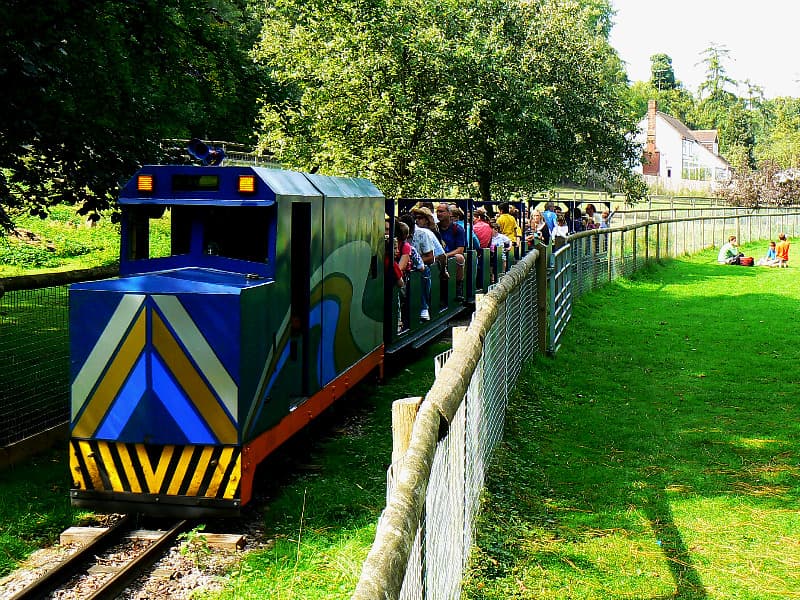
Beale Wildlife Park is a non-profit charitable trust located in Berkshire, England, established on 350 acres by the River Thames. It offers a diverse range of attractions, including collections of exotic and farm animals, landscaped gardens, woodlands, and extensive children's play areas, making it a significant recreational and educational destination.

Trentham Monkey Forest
Trentham Monkey Forest is a unique wildlife park located within the Trentham Estate in Staffordshire, England. It is the first of its kind in England and allows visitors to observe Barbary macaques roaming freely within a 60-acre forested area. The forest aims to raise awareness about endangered species, preserve gene pools, and reintroduce macaques into the wild.
Alameda Wildlife Conservation Park
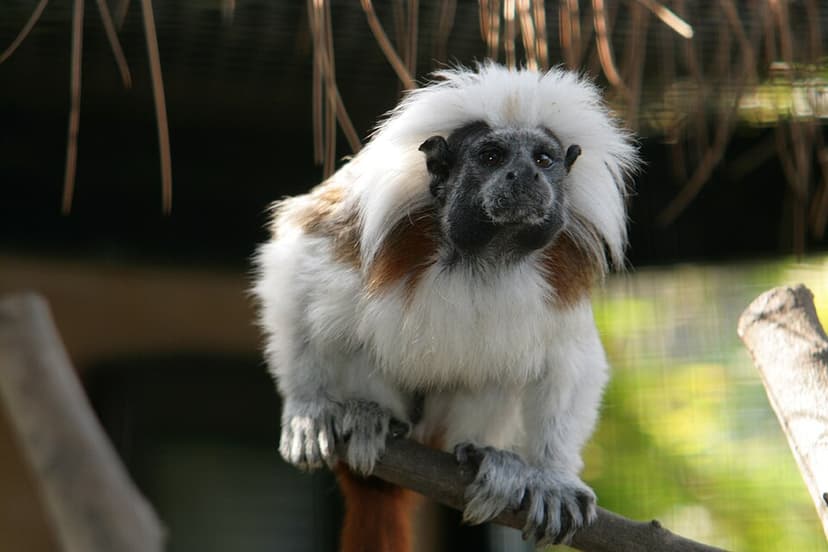
The Alameda Wildlife Conservation Park (AWCP) is a small wildlife park located within the Gibraltar Botanic Gardens. Established in 1994, it primarily houses animals confiscated from illegal traders and serves as an important educational resource for local schools, raising awareness about illegal wildlife trade and local conservation efforts.