
Bojnice Zoo
Bojnice Zoo, established in 1955, is the oldest and most visited zoological garden in Slovakia. Located in Bojnice, it spans 42 hectares and is home to over 360 species, making it a significant institution for wildlife display and conservation within the country.
Key Facts
- ›Established in 1955, making it the oldest zoo in Slovakia.
- ›Covers an area of 42 hectares (100 acres).
- ›As of 2022, houses over 360 species and more than 2700 individual animals.
- ›Features unique species in Slovakia, such as the agile wallaby and Hamlyn's monkey.
- ›Managed by the Ministry of Environment of the Slovak Republic.
- ›Received over 400,000 visitors in 2018.

African Elephant, Carpathian Lynx
Agile Wallaby, Hamlyn's Monkey, African Palm Civet, Red-Fan Parrot, Bongo Antelope
- Eurolynx Organization
- West African Primate Conservation Action Organization
About Bojnice Zoo
Bojnice Zoo, officially the Slovak National Zoological Garden (Národná zoologická záhrada Bojnice), is a significant zoological institution located in the town of Bojnice, Slovakia. Established on April 1, 1955, it holds the distinction of being the oldest zoo in Slovakia and is also its most visited, attracting over 400,000 visitors in 2018. The zoo's expansive grounds cover 42 hectares (100 acres) and are home to a diverse collection of wildlife.
Collection and Significance
As of 2022, Bojnice Zoo proudly presents over 360 different species, encompassing more than 2700 individual animals. This makes it the zoo with the largest animal collection in Slovakia, featuring many species found nowhere else in the country. Notable inhabitants include the African elephant and the Carpathian lynx, which are primary attractions. The zoo also uniquely showcases species such as the agile wallaby, Hamlyn's monkey, African palm civet, and red-fan parrot.
History and Management
Originally opened as the Zoological Garden of the Nitra Region, the zoo's administration was later transferred to the ministry of environment of the Slovak Republic in 1998. The institution officially adopted the name Slovak National Zoological Garden in 2017. Its operational management by a government ministry underscores its role as a national institution.
Conservation and Associations
Bojnice Zoo is actively involved in wildlife conservation and is a member of numerous prominent international organizations dedicated to zoological standards and conservation efforts. These affiliations include the International Union for Conservation of Nature (IUCN), the World Association of Zoos and Aquariums (WAZA), and the European Association of Zoos and Aquaria (EAZA). It also participates in specialized groups like the EUROLYNX organization and the West African Primate Conservation Action organization, indicating a commitment to specific conservation programs. Visitors can support the zoo's conservation efforts through a symbolic 'adopt' an animal program.
Source: Wikipedia ↗
Frequently Asked Questions
When was Bojnice Zoo founded?
Bojnice Zoo was founded on April 1, 1955. It was initially known as the Zoological Garden of the Nitra Region.
How large is Bojnice Zoo?
The zoo spans an area of 42 hectares, which is equivalent to approximately 100 acres.
What kind of animals can I see at Bojnice Zoo?
Bojnice Zoo presents over 360 different species, with a total of more than 2700 specimens. Key attractions include the African elephant and Carpathian lynx, and it is the only zoo in Slovakia with species like the agile wallaby and Hamlyn's monkey.
Who manages Bojnice Zoo?
Bojnice Zoo is managed by the ministry of environment of the Slovak Republic. Administration of the zoo was transferred to this ministry in 1998.
Is Bojnice Zoo a member of any international zoo organizations?
Yes, Bojnice Zoo is a member of several international organizations, including the International Union for Conservation of Nature (IUCN), the World Association of Zoos and Aquariums (WAZA), and the European Association of Zoos and Aquaria (EAZA).
Related Zoos
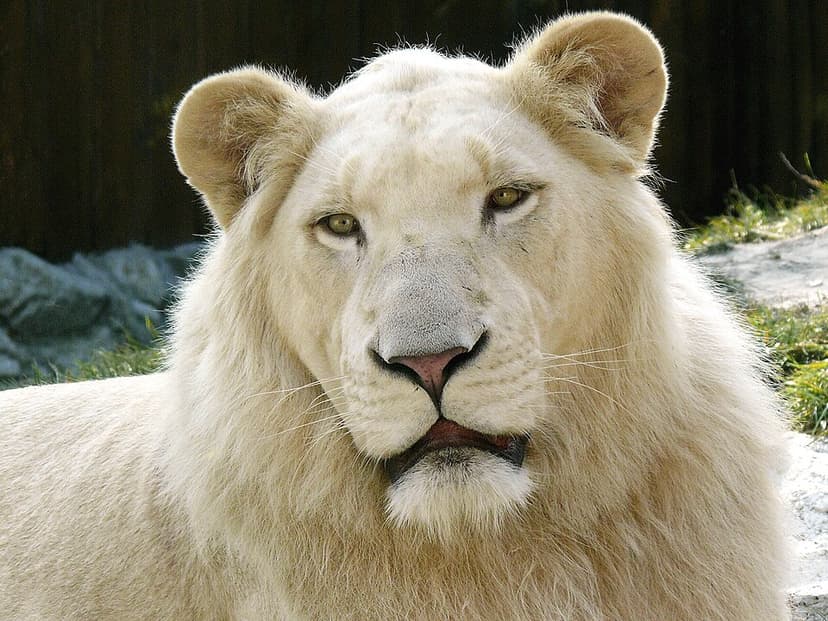
Bratislava Zoo
Bratislava Zoo, opened in 1960, is the second oldest zoo in Slovakia and is located in the Mlynská dolina area of Bratislava. It is an independent organization of the city, focusing on breeding and conservation of endangered species, scientific research, public education, and recreation, attracting around 300,000 visitors annually.

Košice Zoo
The Košice Zoo, located in Košice, Slovakia, is the largest zoo in the country and the third largest in Europe, spanning 292 hectares. It is known for its extensive Carpathian Biom, educational trails, and a Slovak "Jurassic Park", attracting approximately 250,000 visitors annually. The zoo plays a significant role in breeding programs for various species, including European brown bears and Hucul horses.
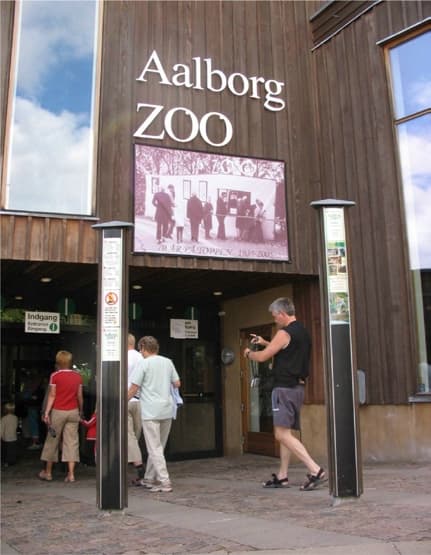
Aalborg Zoo
Aalborg Zoo is a zoological garden situated near the heart of Aalborg, Denmark, drawing approximately 375,000 visitors annually. It serves as a significant institution for animal conservation, actively participating in global breeding programs and environmental preservation projects, including supporting rainforest conservation in Ecuador.