
Bratislava Zoo
Bratislava Zoo, opened in 1960, is the second oldest zoo in Slovakia and is located in the Mlynská dolina area of Bratislava. It is an independent organization of the city, focusing on breeding and conservation of endangered species, scientific research, public education, and recreation, attracting around 300,000 visitors annually.
Key Facts
- ›Covers a total area of 96 hectares (240 acres), with 35 hectares (86 acres) open to the public.
- ›Opened on May 9, 1960, making it the second oldest zoo in Slovakia.
- ›Home to over 1,270 specimens representing 194 animal species as of 2024.
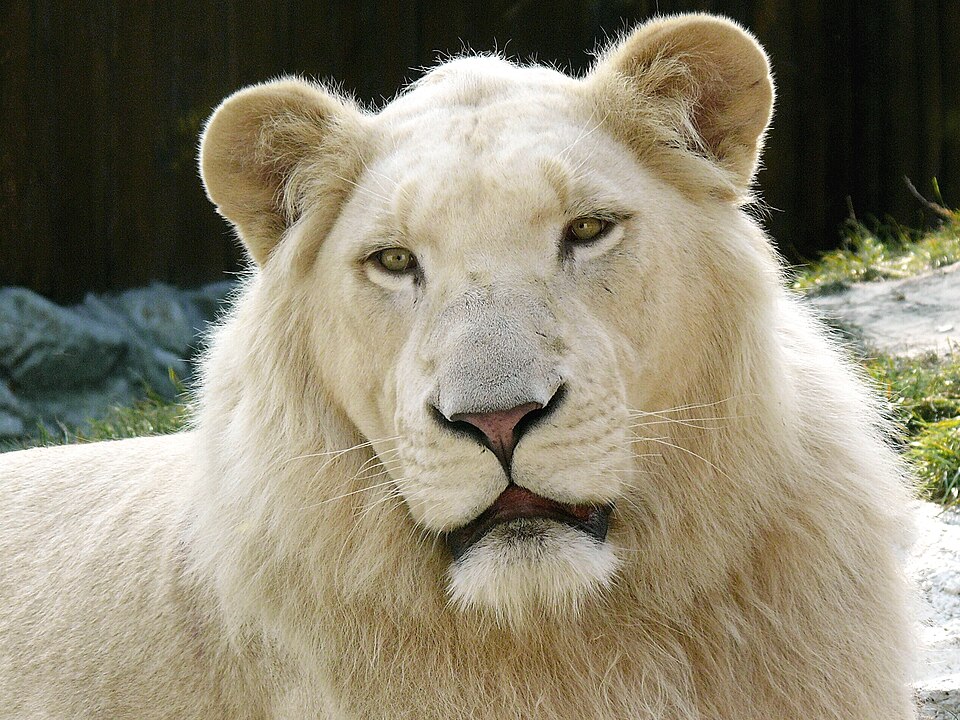
- ›Major attractions include white lions, Sumatran orangutans, European bison, and Rothschild's giraffes.
- ›Was among the first zoos in Europe to successfully breed Eurasian lynx and striped hyena in captivity.
- ›Sustained heavy damage during the 2024 Central European floods.
- Breeding facility for South African lions, jaguars and Sri Lankan leopards
- Primate House for common chimpanzee and Sumatran orangutan
- Terrarium and Exhibit of Exotic Species
- Aquariums
- Enclosures of Rhinoceroses and Kangaroos
- Enclosures of Zebras and Giraffes
- Enclosures of Antelopes and Pygmy Hippopotamuses
- Lakes With Flamingos and Pelicans
- Enclosures of Wolves and European Bison
White Lions, Sumatran Orangutans, European Bison, Rothschild's Giraffes, Sri Lankan Leopards, Jaguars, Eurasian Lynx, Striped Hyena
Breeding of Endangered Animal Species, Captive Breeding of Eurasian Lynx, Captive Breeding of Striped Hyena
About Bratislava Zoo
Bratislava Zoo, located in the Mlynská dolina area of Bratislava, Slovakia, is a significant zoological institution that opened its gates to the public on May 9, 1960. It holds the distinction of being the second oldest zoo in Slovakia. As an independent organization of the city of Bratislava, the zoo is dedicated to the breeding and conservation of endangered animal species, alongside conducting scientific and research work. It also plays a crucial role in educating the public and providing recreational facilities within the city.
History and Development
The establishment of a zoo in Bratislava was first proposed in 1948. After considering various locations, the site in Mlynská dolina was chosen. Initial construction began in 1959, with a portion of the zoo opening the following year. The zoo's early years saw success in breeding several species, including macaques and leopards. However, the zoo has faced significant challenges and transformations throughout its history. Two major reductions in its area occurred: the first between 1981–1985 due to sewage system and motorway construction, which drastically reduced its size and exhibition space. A second reduction in 2003 was necessitated by the construction of a D2 motorway access road, which led to the relocation of the entrance and required the building of a new noise barrier.
Despite these setbacks, the zoo has continued to develop. The opening of a new big cats pavilion in 2006 and the Primate House in 2010 marked significant improvements. The zoo also hosted DinoPark, an exhibition of Mesozoic reptiles, between 2004 and 2021. In recent history, Bratislava Zoo sustained heavy damage during the 2024 Central European floods.
Collection and Facilities
As of 2024, Bratislava Zoo houses a diverse collection of approximately 1,270 animals representing 194 species. This includes rare and endangered animals such as white lions, Sri Lankan leopards, jaguars, brown bears, Eurasian wolves, red kangaroos, white rhinoceroses, giraffes, zebras, Barbary macaques, red pandas, Sumatran orangutans, chimpanzees, and snowy owls. The zoo features various specialized enclosures and facilities, including a Primate House, a Terrarium with exotic species, and enclosures for large mammals like rhinos, kangaroos, zebras, and giraffes. Naturalistic lakes are home to flamingos and pelicans. The zoo also boasts two new freshwater aquariums featuring species from Lake Malawi and Lake Tanganyika.
Conservation and Education
Bratislava Zoo is actively involved in conservation efforts and is a member of several international zoo associations, including the European Association of Zoos and Aquaria (EAZA) and the Union of Czech and Slovak Zoological Gardens (UCSZOO). Its focus on breeding endangered species has led to successful captive breeding programs, notably for Eurasian lynx and striped hyena, making it one of the first zoos in Europe to achieve such successes. The zoo offers educational programs for children and students and provides opportunities for the public to symbolically adopt animals, contributing to their care and the zoo's conservation mission.
Source: Wikipedia ↗
Frequently Asked Questions
When was Bratislava Zoo established?
Bratislava Zoo was officially opened on May 9, 1960. Proposals to establish a zoo in Bratislava first appeared in 1948, with construction beginning in 1959.
How large is Bratislava Zoo?
The zoo covers a total area of 96 hectares (240 acres). Of this, 35 hectares (86 acres) are accessible to the public.
What is the annual visitor count for Bratislava Zoo?
Bratislava Zoo receives an average of around 300,000 visitors annually. A record of 336,661 visitors was recorded in 2011.
What are some of the notable animals at Bratislava Zoo?
Major attractions include white lions, Sumatran orangutans, European bison, and Rothschild's giraffes. The collection also features Sri Lankan leopards, jaguars, brown bears, Eurasian wolves, and red pandas.
Does Bratislava Zoo have aquarium facilities?
Yes, the Terrarium and exhibit of exotic species includes two new freshwater Malawi and Tanganyika aquariums.
What conservation efforts does Bratislava Zoo undertake?
The zoo focuses on the breeding and conservation of endangered animal species. It was one of the first zoos in Europe successful in breeding Eurasian lynx and striped hyena in captivity.
Related Zoos

Bojnice Zoo
Bojnice Zoo, established in 1955, is the oldest and most visited zoological garden in Slovakia. Located in Bojnice, it spans 42 hectares and is home to over 360 species, making it a significant institution for wildlife display and conservation within the country.

Košice Zoo
The Košice Zoo, located in Košice, Slovakia, is the largest zoo in the country and the third largest in Europe, spanning 292 hectares. It is known for its extensive Carpathian Biom, educational trails, and a Slovak "Jurassic Park", attracting approximately 250,000 visitors annually. The zoo plays a significant role in breeding programs for various species, including European brown bears and Hucul horses.

Audubon Zoo
Audubon Zoo, located in New Orleans, Louisiana, is a significant zoological park and a part of the Audubon Nature Institute. It is renowned for its diverse animal collections, engaging exhibits like the "Jaguar Jungle" and "African Savanna," and its historical presence dating back to the 1884 World's Fair. The zoo plays a vital role in conservation and education, serving as a popular destination for both locals and tourists.