
Botanical Garden and Zoo of Asunción
Paraguay·Botanical Garden and Zoo·20th
The Botanical Garden and Zoo of Asunción is a significant cultural and natural heritage site in Paraguay's capital city. It serves as both a botanical garden showcasing native flora and a zoo housing a diverse collection of South American wildlife, with a historical estate that once belonged to President Carlos Antonio López.
Key Facts
- ›Covers 110 hectares (270 acres) of natural forest north of Asunción.
- ›Founded as a botanical garden in 1914 by German scientists Karl Fiebrig and Anna Gertz.
- ›The zoo houses nearly seventy species of wildlife, primarily from South America.
- ›The botanical garden features native species, with a particular focus on lush trees.
- ›Includes a nursery with over 500 species of plants, many medicinal, and a Natural History Museum.
- ›Its iconic exhibit is the Tagua, a peccary species rediscovered in the 1980s.

Tagua
Tagua
About Botanical Garden and Zoo of Asunción
The Botanical Garden and Zoo of Asunción (Spanish: Jardín Botánico y Zoológico de Asunción) is a significant cultural and natural landmark situated in Asunción, the capital of Paraguay. It functions as a vital open space within the city, encompassing 110 hectares (270 acres) of natural forest to the north of the urban center.
History and Heritage
The property's origins trace back to Carlos Antonio López, who served as president of Paraguay from 1842 to 1862. López commissioned the construction of "Casa Lopez" as his residence in the 1840s. This main building holds considerable historical value, reflecting the architectural, technological, and decorative styles of its era. It is officially recognized and protected by Paraguayan law as part of the city's urban planning, architectural, historical, and artistic heritage.
In 1896, López's descendants sold the estate to the Agricultural Bank, then a state-owned entity. The transformation into a formal botanical garden began in 1914, spearheaded by German scientists Karl Freibig and his wife, Anna Gertz. Fiebrig, a professor of botany and zoology at the University of Asunción, had previously undertaken extensive collecting expeditions in Paraguay. He also founded a school of agriculture and a Cotton Institute, which provided financial support for the garden complex. The zoo was established shortly thereafter by the same scientists, adopting a progressive approach for its time by housing animals in environments designed to mimic their natural habitats. Anna Gertz played a key role in the landscape design of the gardens, though some of her projects remained incomplete following her death in 1920; she is buried within the gardens.
Fiebrig continued to direct the garden and zoo. However, in 1936, amidst a period of xenophobic sentiment following the Chaco War, Fiebrig was compelled to leave Paraguay. Responsibility for the estate subsequently transferred from the state to its current administrator, the Municipality of Asunción.
Historically, the estate was substantially larger, spanning over 600 hectares (1,500 acres) with extensive river frontage, a port, and a railway station. Over the past five decades, parts of the land have been allocated to various institutions, including a water treatment plant, a transmission station, and the Asunción Golf Club, with some areas also succumbing to illegal occupations.
Facilities and Collections
The complex comprises several key facilities:
- Botanical Garden: This area preserves the natural flora, featuring trees that are over 150 years old, offering shade and natural beauty.
- Nursery: Located behind the Upper House, the nursery cultivates more than 500 species of plants, with a significant focus on medicinal herbs used for educational interpretation regarding their properties. It collaborates with the Botanic Garden and Conservatory of the City of Geneva, Switzerland, and has been involved in research on plant cultivation and distribution, particularly of native and introduced medicinal plants.
- Zoo: The zoo is integrated with the botanical garden and concentrates on the fauna of Paraguay, though it also includes animals from other regions. It houses approximately 64 species, including mammals, birds, and reptiles.
- Natural History Museum: This museum is housed in a former farmhouse that was part of Carlos Antonio López's estate.
- Asunción Golf Club: While situated on the Botanical Garden premises, this facility has been managed independently by the municipality for fifty years.
Zoo Collections
The zoo's collection features a diverse range of species, including mammals such as lions, tigers, jaguars, pumas, chimpanzees, elephants, and tapirs. Its avian collection includes various macaws, toucans, eagles, and ostriches. Reptiles on display consist of anacondas, caimans, iguanas, and tortoises.
Notable Exhibit
A particularly noteworthy exhibit at the zoo is the Tagua, a species of peccary native to the Paraguayan Chaco. This animal holds significance as it was believed to be extinct until its rediscovery in the 1980s.
Source: Wikipedia ↗
Frequently Asked Questions
What is the history of the Botanical Garden and Zoo of Asunción?
The property was formerly the country house of Paraguayan President Carlos Antonio López. The botanical garden was established in 1914 by German scientists Karl Fiebrig and Anna Gertz, with the zoo being established subsequently by the same individuals.
What kind of animals can be found at the zoo?
The zoo is home to nearly seventy species of wildlife, predominantly representing the fauna of South America. This includes a variety of mammals, birds, and reptiles, with an iconic exhibit of the Tagua peccary.
What are the main features of the botanical garden?
The botanical garden showcases native species, with a focus on the variety and beauty of its trees, many of which are over 150 years old. It also includes a nursery cultivating over 500 species of plants, many of which are medicinal.
Does the Botanical Garden and Zoo of Asunción have any historical significance?
Yes, the site was the former country house and estate of Carlos Antonio López, president of Paraguay. The main building, 'Casa Lopez,' is historically significant and protected by law as part of the city's heritage.
What is the size of the Botanical Garden and Zoo of Asunción?
The zoo and botanical garden are set in natural forest covering 110 hectares, which is approximately 270 acres, located to the north of the city of Asunción.
What is the significance of the Tagua exhibit?
The Tagua, a species of peccary native to the Paraguayan Chaco, is an iconic exhibit at the zoo. This species was initially believed to be extinct before its rediscovery in the 1980s.
Related Zoos

Parc Phœnix
Parc Phœnix is a 7-hectare botanical garden and zoo located in Nice, France, along the Promenade des Anglais. Opened in 1990, it features distinct zones for plants and animals, including one of Europe's largest greenhouses, making it a significant green space and attraction in the region.
Parque Municipal Summit
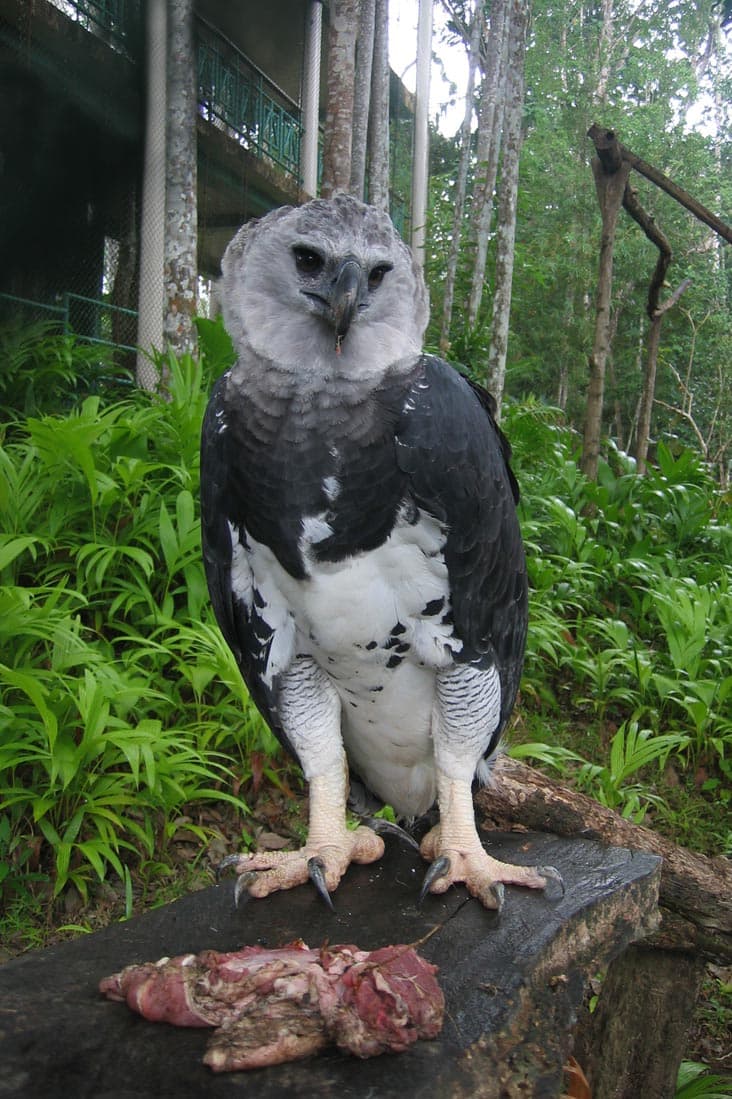
Parque Municipal Summit is a botanical garden and wildlife rehabilitation center located in central Panama, near Panama City. Originally established as an experimental farm, it evolved to include a zoo displaying animals that cannot be returned to the wild, and is home to approximately 300 animals, including the national bird of Panama, the harpy eagle.

Baghdad Zoo
The Baghdad Zoo is a 200-acre zoological park located in Baghdad, Iraq, within the Al-Zawraa Park complex. Originally opened in 1971, it suffered near-total destruction during the 2003 invasion of Iraq, with most of its animals lost. Following a significant rebuilding effort, the zoo has since reopened and continues to serve as a public attraction and a symbol of resilience.