
British Columbia Wildlife Park
The British Columbia Wildlife Park is a 106-acre zoo located in Kamloops, British Columbia, dedicated to wildlife conservation and education. Established in 1966, it has become an accredited member of the Canadian Association of Zoos and Aquariums (CAZA) and plays a vital role in rehabilitating injured wildlife and breeding endangered species.
Key Facts
- ›The zoo spans 106 acres.
- ›It was founded in 1966.
- ›It is an accredited member of the Canadian Association of Zoos and Aquariums (CAZA).
- ›The park operates the only licensed Wildlife Rehabilitation Centre in the Kamloops area.
- ›It houses the largest burrowing owl breeding facility in North America.
- ›Attractions include the Wildlife Express railway and a splash park.

Moose, White-Tailed Deer, Fallow Deer, Canada Geese, Burrowing Owls, Rattlesnakes, Deer Fawns, Buffalo Calves
Burrowing Owl Captive Breeding Program, Wildlife Rehabilitation Centre, Td Canada Trust Nature Exchange
About British Columbia Wildlife Park
The British Columbia Wildlife Park is a 106-acre zoological facility located in Kamloops, British Columbia, Canada. Established in 1966, it is dedicated to wildlife conservation, education, and recreation, serving as a significant attraction for both local residents and tourists. The park is an accredited member of the Canadian Association of Zoos and Aquariums (CAZA).
History and Establishment
The concept for a wildlife park in Kamloops emerged in 1965 when the Kamloops Chamber of Commerce sought to increase local tourism. Animal enthusiast John Moelaert proposed a zoological park as an ideal attraction to boost the local economy. Following a public meeting where Moelaert outlined his vision for a non-profit society, spacious exhibits, and a first-class institution, the Greater Kamloops Zoological Society was formed on April 6, 1965. After extensive negotiations, Molson Breweries donated 106 acres of land on February 11, 1966. Construction, overseen by Moelaert, began with donated materials and services, and the park officially opened to the public on August 16, 1966. Initially named Kamloops Zoo, it was renamed the British Columbia Wildlife Park on November 1, 1966.
Development and Challenges
The park faced significant financial difficulties in its early years, despite initial popularity and media attention. A downturn in the Canadian economy in 1970 led to a sharp drop in attendance and donations, resulting in a deficit. Despite appeals for government assistance and a failed community referendum, the park was ultimately saved when the city of Kamloops amalgamated with surrounding municipalities in 1972, bringing the park within the city's responsibilities.
Conservation and Education Initiatives
The British Columbia Wildlife Park is deeply committed to conservation and education. It operates the only licensed Wildlife Rehabilitation Centre in the Kamloops area, providing care for injured, ill, or orphaned wild animals with the goal of returning them to their natural habitats. The park also hosts the TD Canada Trust Nature Exchange, an educational program that encourages learning about the environment through observation and responsible collecting. A prominent initiative is the Burrowing Owl Captive Breeding Program, which began in 1990 and has since released over 500 juvenile owls into British Columbia's grasslands, making the park home to the largest burrowing owl breeding facility in North America.
Attractions
Visitors to the British Columbia Wildlife Park can enjoy various attractions, including the Highland Valley Copper Amphitheatre, the Home Hardware Corral, the Wildlife Express narrow gauge railway, and the Zippity Zoo Zone Playground & Splash Park. The park's commitment to community stewardship is also evident in its adherence to strict environmental standards for all new construction and its future plans for sustainable projects like solar and wind power.
Source: Wikipedia ↗
Frequently Asked Questions
When was the British Columbia Wildlife Park founded?
The British Columbia Wildlife Park was officially opened to the public on August 16, 1966. Its founding stemmed from a proposal in 1965 by John Moelaert to the Kamloops Chamber of Commerce.
What is the size of the British Columbia Wildlife Park?
The British Columbia Wildlife Park is 106 acres in size. This area allows for spacious exhibits for the animals housed there.
What is the primary purpose of the British Columbia Wildlife Park?
The park serves as a major recreational, educational, and conservation project. It is committed to promoting sustainable and responsible environmental practices and operates a wildlife rehabilitation center.
What notable conservation programs does the park run?
The park runs a significant Burrowing Owl Captive Breeding Program, which has released over 500 juvenile owls back into their natural habitat. They also operate the only licensed Wildlife Rehabilitation Centre in the Kamloops area.
What are some attractions at the park?
Attractions at the British Columbia Wildlife Park include the Highland Valley Copper Amphitheatre, the Home Hardware Corral, the Wildlife Express narrow gauge railway, and the Zippity Zoo Zone Playground & Splash Park.
Related Zoos

Ecomuseum Zoo
The Ecomuseum Zoo is a Canadian ecomuseum and zoological park located in Sainte-Anne-de-Bellevue, Quebec. Founded in 1988, it is dedicated to educating children and the public about the environment, specifically focusing on animals native to the Saint Lawrence Valley. The zoo plays a role in conservation and environmental education within southwestern Quebec.
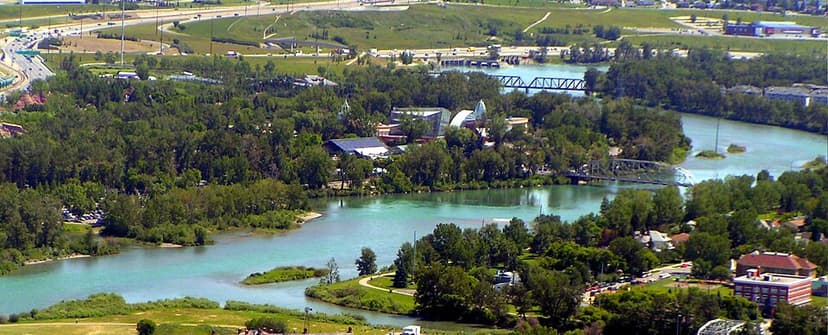
Wilder Institute/Calgary Zoo
The Wilder Institute/Calgary Zoo is a major zoological institution located in Calgary, Alberta, Canada, operating as a non-profit organization. It is recognized globally for its significant contributions to conservation research and is a leading Canadian tourist destination, attracting over 1,000 animals from diverse species across its uniquely themed zones.

Upper Clements Wildlife Park
Upper Clements Parks was a seasonal theme park and adventure park located in Upper Clements, Nova Scotia, Canada, operated by a non-profit community group. It featured over 40 rides and attractions, including a wooden coaster and a water coaster, and played a role in the local economy by generating jobs and attracting visitors.