
Wilder Institute/Calgary Zoo
The Wilder Institute/Calgary Zoo is a major zoological institution located in Calgary, Alberta, Canada, operating as a non-profit organization. It is recognized globally for its significant contributions to conservation research and is a leading Canadian tourist destination, attracting over 1,000 animals from diverse species across its uniquely themed zones.
Key Facts
- ›Operated by the Calgary Zoological Society, Alberta's oldest registered charity.
- ›Home to over 1,000 animals representing 272 different species.
- ›Covers an area of 125 acres, featuring distinct zones like Destination Africa, Wild Canada, and Prehistoric Park.
- ›Accredited by AZA, WAZA, and formerly CAZA, being one of Canada's first to hold all three.
- ›Canada's most visited zoo as of 2023.
- ›Internationally recognized as a top zoo for conservation research.
- Destination Africa
- Wild Canada
- Penguin Plunge
- Dorothy Harvie Botanical Gardens and ENMAX Conservatory
- Exploration Asia
- Prehistoric Park
Amur Tigers, Giant Pandas, Western Lowland Gorillas, Masai Giraffes, Hippos, Snow Leopards, King Penguins, Humboldt Penguins, Rockhopper Penguins
- Species Survival Plans
- Western Canada Species Recovery
- Wechiau Community Hippo Sanctuary, Ghana
- Snow Leopards In Central Asia
- Gorillas in the Democratic Republic of the Congo
About Wilder Institute/Calgary Zoo
The Wilder Institute/Calgary Zoo is a prominent zoological park situated in Calgary, Alberta, Canada, operating as an independent not-for-profit organization. It is recognized as Alberta's oldest registered charity and holds accreditations from the Association of Zoos and Aquariums (AZA), the World Association of Zoos and Aquariums (WAZA), and formerly the Canadian Association of Zoos and Aquariums (CAZA). As of 2023, it stands as Canada's most visited zoo and has garnered international acclaim for its significant contributions to conservation research.
History and Development
The zoo's origins began in 1917 with a small collection of two mule deer on St. George's Island, which was Calgary's first park. The Calgary Zoological Society was officially established on January 9, 1929, taking over the administration of the growing animal collection. A significant expansion occurred in 1937 with the transfer of species from the now-closed Banff Zoo, solidifying its status as the region's largest zoological collection. In 1972, the zoo launched the "Ban the Bars" campaign to update enclosures to more naturalistic designs. Major expansions in recent decades include Destination Africa in 2003 and Penguin Plunge in 2012. The zoo also announced a 20-year master plan in 2013, which included preparations for the arrival of giant pandas in 2018.
In 2021, the Calgary Zoo Foundation rebranded as the Wilder Institute, leading to the current joint branding of Wilder Institute/Calgary Zoo, emphasizing its research and conservation initiatives.
Notable Features and Conservation Efforts
Spanning 125 acres, the Wilder Institute/Calgary Zoo is organized into distinct thematic zones. These include Destination Africa, featuring the Rainforest and African Savannah; Wild Canada, showcasing North American wildlife; Exploration Asia, with species from the continent; and the unique Prehistoric Park, which displays life-sized dinosaur replicas. The Dorothy Harvie Botanical Gardens and ENMAX Conservatory offer a botanical experience alongside animal exhibits. The zoo is home to over 1,000 animals representing 272 species, with a strong emphasis on conservation.
The zoo actively participates in Species Survival Plans for 44 species and focuses on saving eight highly endangered Western Canada species, such as the whooping crane and swift fox. It also engages in global conservation projects, including the Wechiau Community Hippo Sanctuary in Ghana, which received the United Nations Equator Prize in 2008, and initiatives for snow leopards and gorillas. The Wilder Institute is recognized internationally as a leader in species recovery and reintroduction science, with its research being rated among the top five globally by the journal Nature.
Incidents and Challenges
The zoo has faced challenges, including significant damage from the 2013 Alberta floods, which necessitated the relocation of many animals and extensive repairs. The institution has also experienced several animal-related incidents and deaths, leading to independent reviews and the implementation of comprehensive plans to improve animal care, safety procedures, and infrastructure. These efforts are aimed at ensuring the highest standards of welfare and operational integrity.
Source: Wikipedia ↗
Frequently Asked Questions
Where is the Wilder Institute/Calgary Zoo located?
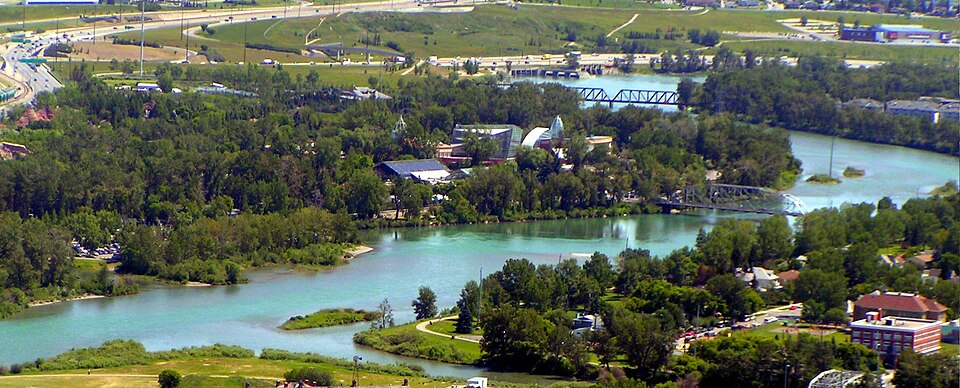
The Wilder Institute/Calgary Zoo is situated in Bridgeland, Calgary, Alberta, Canada, east of the city's downtown core. It is accessible by public transit, car, and pathways along the Bow River, with a significant portion located on St. George's Island.
What is the history of the Calgary Zoo?
The zoo's origins trace back to 1917 with a small collection of local wildlife on St. George's Island. The Calgary Zoological Society was established in 1929 to manage the facility, which expanded significantly after acquiring animals from the Banff Zoo in 1937. The zoo has undergone modernization efforts, including the 'Ban the Bars' campaign and major expansions like Destination Africa.
What are some of the main attractions or zones at the zoo?
The zoo is organized into several distinct zones, including Destination Africa, featuring rainforest and savannah habitats; Wild Canada, showcasing North American wildlife; Exploration Asia, with species from the continent; and Prehistoric Park, with life-sized dinosaur replicas. Penguin Plunge and the Dorothy Harvie Botanical Gardens and ENMAX Conservatory are also popular attractions.
Does the zoo have any notable conservation programs?
Yes, the Wilder Institute/Calgary Zoo is highly focused on conservation. It participates in Species Survival Plans for 44 species, works to save eight highly endangered Western Canada species, and supports global conservation projects in places like Ghana, Central Asia, and the Democratic Republic of the Congo.
What was the impact of the 2013 flooding on the zoo?
The extensive flooding in June 2013 caused over $50 million in damage to the island section and parts of the Canadian Wild zone. Zoo staff successfully relocated 140 animals, and only fish, two peacocks, and a pot-bellied pig were lost. The zoo was closed for most of July but partially reopened in August and fully in November 2013 with new exhibits.
Has the zoo hosted any famous or rare animals?
The zoo was notably home to four giant pandas on loan from China, which arrived in 2018 and departed in 2020. It has also housed Asian elephants, an Indian rhinoceros, and has focused on breeding programs for endangered species like Amur tigers and Przewalski's horses.
Related Zoos

British Columbia Wildlife Park
The British Columbia Wildlife Park is a 106-acre zoo located in Kamloops, British Columbia, dedicated to wildlife conservation and education. Established in 1966, it has become an accredited member of the Canadian Association of Zoos and Aquariums (CAZA) and plays a vital role in rehabilitating injured wildlife and breeding endangered species.

Ecomuseum Zoo
The Ecomuseum Zoo is a Canadian ecomuseum and zoological park located in Sainte-Anne-de-Bellevue, Quebec. Founded in 1988, it is dedicated to educating children and the public about the environment, specifically focusing on animals native to the Saint Lawrence Valley. The zoo plays a role in conservation and environmental education within southwestern Quebec.

Upper Clements Wildlife Park
Upper Clements Parks was a seasonal theme park and adventure park located in Upper Clements, Nova Scotia, Canada, operated by a non-profit community group. It featured over 40 rides and attractions, including a wooden coaster and a water coaster, and played a role in the local economy by generating jobs and attracting visitors.