
Butterfly Garden
North America·Horticultural Practice
Butterfly gardening is a horticultural practice focused on creating, improving, and maintaining habitats specifically for butterflies, skippers, and moths. It involves providing essential resources for each of the four life stages of these insects, including host plants for larvae and nectar sources for adults, thereby contributing to their conservation and supporting broader pollinator ecosystems.
Key Facts
- ›Butterfly gardening supports all four life stages: egg, larva, chrysalis, and adult.
- ›Larvae consume plant matter, with some species being specialists on specific plant genera like milkweed for monarchs.
- ›Adult butterflies feed on nectar, rotting fruit, tree sap, and require windbreaks and puddling grounds.
- ›Creating butterfly habitat also benefits other pollinators such as bees, beetles, and flies.
- ›Ground-truthing is essential to assess site resources like solar radiation exposure and existing plant species.
- ›Using native plants is recommended to avoid negative impacts on local butterfly and pollinator populations.
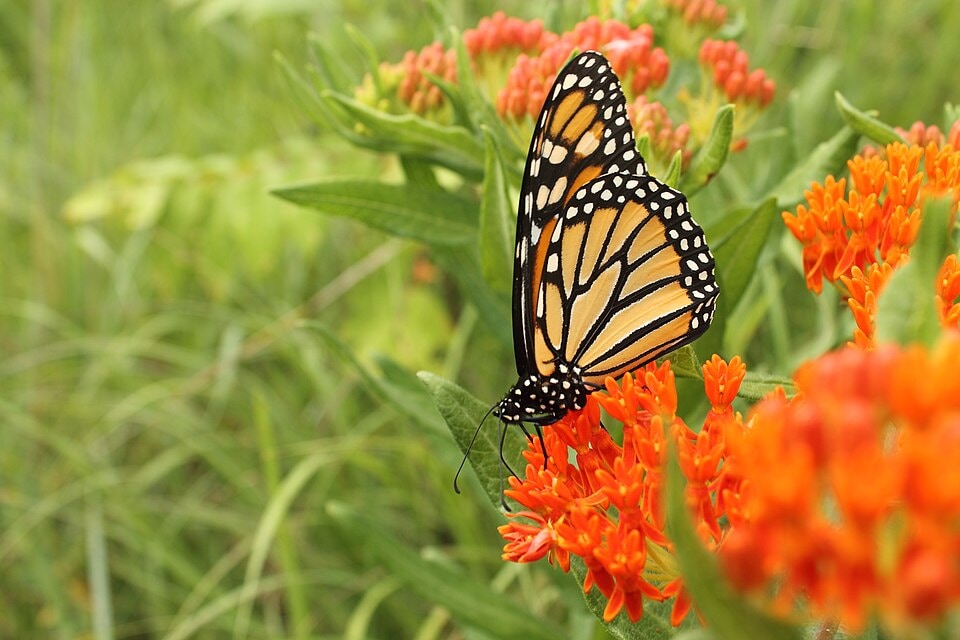
Monarch Butterfly, Regal Fritillary, Painted Lady, Harvester Butterfly
Monarch Watch, Butterfly Waystations
About Butterfly Garden
What is Butterfly Gardening?
Butterfly gardening is a specialized form of horticulture focused on creating, improving, and maintaining habitats specifically designed to support lepidopterans, which include butterflies, skippers, and moths. The practice is rooted in understanding the complete life cycle of these insects, ensuring that gardens provide suitable conditions for each distinct stage: egg, larva, chrysalis, and adult.
Habitat Requirements
To effectively sustain butterfly populations, a butterfly garden must offer a diverse range of resources. For the larval stage, host plants are critical; while some butterfly larvae are generalists and can consume numerous plant species, others are specialists, relying on a single genus. For example, monarch butterfly caterpillars feed exclusively on milkweed (Asclepias species). Adult butterflies, primarily nectarivores, benefit from a variety of nectar-producing plants with staggered bloom times, differing colors, and varied heights. Additionally, elements like windbreaks provided by trees and shrubs offer shelter and can serve as overwintering sites, while 'puddling' grounds—areas of wet soil, dung, or carrion—provide essential nutrients, particularly sodium, which is vital for reproduction.
Ecological Significance and Reasoning
Beyond the recreational value of observing butterflies in their natural behaviors, butterfly gardening plays a crucial role in ecological conservation. It directly combats the negative impacts of habitat fragmentation and degradation caused by development, pesticide use, and the spread of non-native plants. By establishing butterfly habitats, even in urban settings, the diversity of butterflies and other pollinators, such as bees, beetles, and flies, is increased. Pollination is a fundamental ecological service, with a significant percentage of flowering plants and agricultural crops relying on animal pollinators.
Practical Implementation
Successful butterfly gardening begins with 'ground-truthing,' an assessment of the property to identify existing resources. Key considerations include the presence of south-facing slopes, which offer optimal solar radiation for ectothermic butterflies, and natural windbreaks. When selecting plants, prioritizing native species is highly recommended, as they are best adapted to the local environment and most beneficial to native insects. While non-native plants can provide nectar, they may negatively impact local ecosystems. It is also essential to consult invasive species lists to avoid introducing problematic plants. Several plant databases, such as those from the USDA's Natural Resources Conservation Service and the Royal Botanic Gardens, Kew, offer valuable information on plant distribution and characteristics.
Plant Selection and Challenges
A wide array of plants can attract butterflies, including species like buttonbush, purple coneflower, sunflowers, salvias, goldenrods, asters, and various lilies. For monarch butterflies, specific milkweed species are paramount. Trees like black cherry and sassafras, and shrubs like spicebush, are also valuable as they host numerous butterfly and moth caterpillars. It is generally advisable to avoid plant cultivars unless they offer proven benefits to pollinators, as many sterile cultivars produce little to no nectar or pollen. Furthermore, avoiding plants and seeds treated with insecticides, particularly neonicotinoids, is critical due to their potential harm to pollinating insects. Issues such as plant diseases, aphid infestations, and caterpillars exhausting their food source in small gardens are challenges that can be managed through careful planning and the use of natural pest control methods or by ensuring an ample supply of host plants.
Source: Wikipedia ↗
Frequently Asked Questions
What are the essential components of a butterfly garden?
An ideal butterfly garden must provide habitat for all four life stages of butterflies. This includes host plants for larvae to consume, nectar-producing flowers for adult butterflies, windbreaks for shelter, and a puddling ground for essential nutrient intake.
What do butterfly larvae eat?
Most butterfly larvae consume plant matter. While some species, like the painted lady, can feed on over 200 types of plants, others, such as the monarch butterfly, are specialists and feed exclusively on plants within a single genus, like milkweed.
What do adult butterflies eat and where do they find it?
Adult butterflies primarily feed on nectar from flowers. They also consume rotting fruit, tree sap, and sometimes carrion. Planting a variety of nectar plants with different bloom times, colors, and heights helps sustain them.
What is 'puddling' and why is it important for butterflies?
Puddling is a behavior where male butterflies congregate on wet soil, dung, or carrion to drink water and absorb essential nutrients, particularly sodium. This nutrient is crucial for reproductive success and is transferred to females and offspring.
Why are native plants recommended for butterfly gardens?
Native plants are recommended because they are best suited to support local butterfly and pollinator populations. Non-native plants, while sometimes providing nectar, can have negative overall effects and should be avoided if they are invasive in the region.
What is 'ground-truthing' in the context of butterfly gardening?
Ground-truthing is the initial step of surveying a property to assess its current resources before establishing a butterfly garden. This involves evaluating factors like the amount of solar radiation, the presence of natural windbreaks, and existing plant and butterfly species.
Are there specific plants that are particularly beneficial for monarchs?
Yes, for monarch butterflies, milkweed (Asclepias species) is exceptionally important as it is the sole food source for their caterpillars. Specific milkweed species like common milkweed, green antelope horn milkweed, and antelope horns milkweed are vital for monarch reproduction in eastern and central North America.
Related Zoos
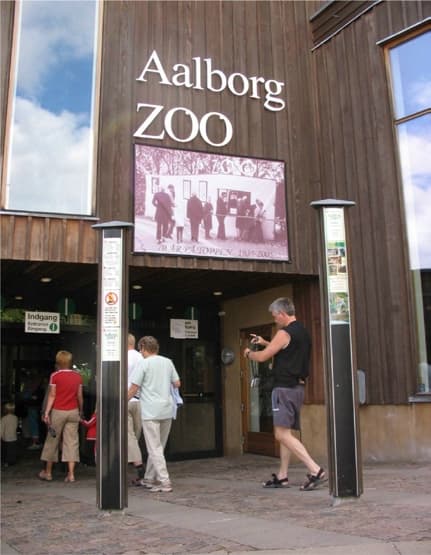
Aalborg Zoo
Aalborg Zoo is a zoological garden situated near the heart of Aalborg, Denmark, drawing approximately 375,000 visitors annually. It serves as a significant institution for animal conservation, actively participating in global breeding programs and environmental preservation projects, including supporting rainforest conservation in Ecuador.
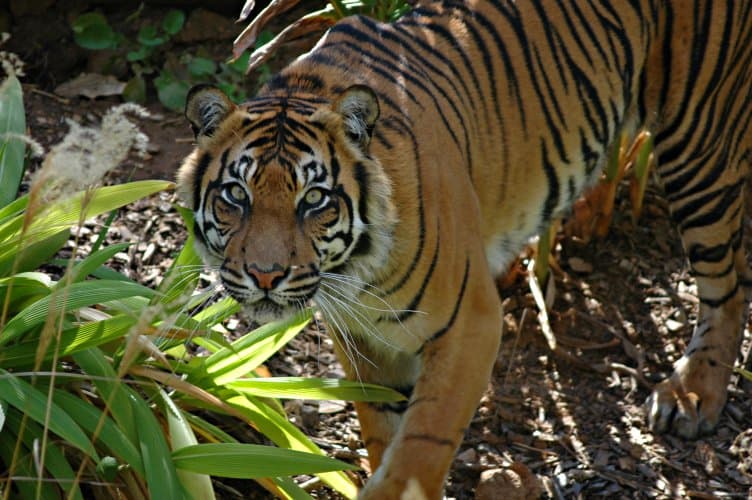
Adelaide Zoo
Adelaide Zoo, established in 1883, is Australia's second-oldest zoo and operates on a non-profit basis. Situated north of Adelaide's city center, it is managed by the Royal Zoological Society of South Australia and is a key institution for wildlife conservation and public education in the region.

Africa Alive!
Africa Alive! Zoological Reserve, formerly known as Suffolk Wildlife Park, is an African-themed zoo located in Kessingland, Suffolk, UK. As part of the Zoological Society of East Anglia, it is a registered charity dedicated to wildlife conservation and education.