
Cayman Turtle Centre
Cayman Islands·Conservation Facility·20th century
The Cayman Turtle Centre, initially established as Mariculture Ltd in 1968, is a unique facility in Grand Cayman dedicated to breeding and conserving sea turtles, particularly the endangered green sea turtle and Kemp's ridley sea turtle. It has evolved from a commercial breeding operation to a significant tourist attraction and a vital research and conservation hub, playing a role in bolstering local turtle populations and educating the public.
Key Facts
- ›Established in 1968 as Mariculture Ltd by American and British investors.
- ›Located in West Bay, Grand Cayman, Cayman Islands.
- ›Covers an area of 23 acres.
- ›Holds the distinction of being the only facility to achieve the second generation of sea turtles bred in captivity.
- ›It was the first facility to successfully breed the endangered Kemp's Ridley turtle in captivity.
- ›Welcomes over 500,000 visitors annually, making it a major tourist attraction.

Predator Tank With Reef Sharks, Reef lagoon for snorkeling with native fish, Fresh Water Lagoon and Waterfall, Aviary, Nature Trail
- Sparky (a 70-year-old female green sea turtle weighing about 550 pounds)
Green sea turtle breeding and release program, Kemp's Ridley Sea Turtle Breeding Program, #3plasticsaday Environmental Initiative, Parrot Release Program, Egg Translocation & Nest Implantation
About Cayman Turtle Centre
The Cayman Turtle Centre, located in the district of West Bay on Grand Cayman, is a multifaceted facility that serves as both a significant tourist attraction and a vital conservation hub. Originally founded in 1968 as Mariculture Ltd by a group of American and British investors, its initial purpose was to breed endangered green sea turtles for commercial purposes. This innovative farming approach aimed to provide turtle meat for local consumption without further depleting wild populations.
Over the years, the centre has significantly evolved. While still maintaining its role as a turtle farm, it has developed into an important research project and conservation facility. It is now the largest land-based tourist attraction in the Cayman Islands, drawing over 500,000 visitors annually. The facility spans 23 acres and houses a diverse range of wildlife beyond turtles, including predators, birds, and caiman.
History and Development
The historical significance of turtles in the Cayman Islands dates back to Christopher Columbus's naming of the islands "Las Tortugas" in 1503 due to their abundance. For centuries, turtles were a crucial food source for passing ships and local inhabitants. By the 19th century, however, the wild turtle population had become severely depleted. The establishment of Mariculture Ltd in 1968 marked a concerted effort to revive the green sea turtle population through captive breeding.
Despite early challenges, including international protection regulations that threatened commercial viability, the facility persisted. It eventually became self-sufficient in eggs from its captive breeding herd by 1978, a significant milestone in domesticating the green sea turtle. The enterprise was sold to the Cayman Government in 1983 and subsequently renamed Cayman Turtle Farm (1983) Ltd, shifting its reliance towards tourism revenue.
In 2010, the facility was rebranded as the Cayman Turtle Centre: Island Wildlife Encounter to better reflect its broader attractions beyond sea turtles. A pivotal moment in its history was the impact of Hurricane Michelle in 2001, which inundated the facility and washed many turtles out to sea, leading to a substantial loss of breeding stock. This disaster prompted a relocation of the breeding pond inland, away from the coast, and an expansion of the facility to include a nature park, rebranded as "Boatswain's Beach" before its final name change.
Conservation and Controversy
The Cayman Turtle Centre is notable for being the only facility of its kind globally to achieve the second generation of sea turtles bred in captivity and the first to successfully breed the endangered Kemp's Ridley turtle in captivity. It has facilitated approximately 100 scientific papers based on collaborative research.
However, the centre has also faced significant criticism from animal welfare and conservation groups. Concerns have been raised regarding animal welfare, including water quality, overcrowding, and disease. Furthermore, its business model and the practice of breeding turtles for consumption have been debated, with some groups advocating for a shift towards more sustainable and humane alternatives. Despite these controversies, the centre maintains that its release program has contributed positively to the local turtle population, citing data on increased nesting activity on Grand Cayman's beaches attributed to turtles released from the facility over the decades.
Source: Wikipedia ↗
Frequently Asked Questions
What was the original purpose of the Cayman Turtle Centre?
The facility was initially established in 1968 as Mariculture Ltd with the primary goal of breeding green sea turtles for commercial purposes. The aim was to produce turtle meat for local consumption without depleting wild populations.
How has the Cayman Turtle Centre evolved over time?
Over the decades, the centre has transformed from a commercial breeding operation into an important research project and conservation facility. It has also become a major tourist attraction, now known as Cayman Turtle Centre: Island Wildlife Encounter.
What notable conservation achievements has the Cayman Turtle Centre made?
The centre is recognized as the only facility of its kind to have achieved the second generation of sea turtles bred in captivity. It was also the first to successfully breed the endangered Kemp's Ridley turtle in captivity.
What impact did Hurricane Michelle have on the centre?
In November 2001, Hurricane Michelle caused large waves that inundated the facility, washing many turtles of all sizes out to sea. This resulted in the loss of 75% of the breeding turtles and significantly impacted the centre's release and meat supply programs.
What are some of the criticisms leveled against the Cayman Turtle Centre?
Animal welfare and conservation groups have criticized the centre for alleged poor water quality, overcrowding, disease, and congenital defects among captive turtles. There are also concerns about the practice of breeding turtles for consumption and the potential risk of introducing diseases into wild populations.
What evidence supports the conservation impact of the centre's release program?
Data from the Cayman Islands Department of the Environment indicates that turtles released decades ago are returning to nest on Grand Cayman's beaches. The number of green sea turtle nests on the island has dramatically increased in recent years, with sightings of tagged nesting turtles confirming their origin from the centre.
Related Zoos
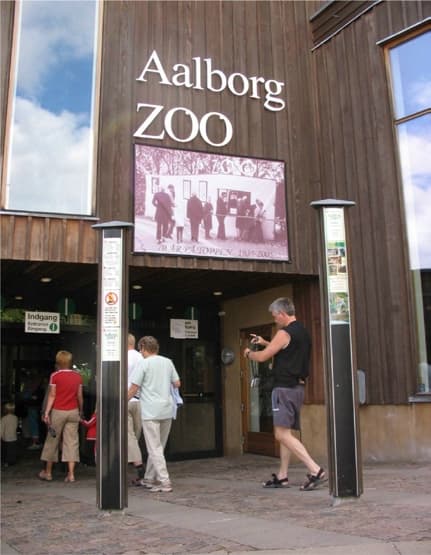
Aalborg Zoo
Aalborg Zoo is a zoological garden situated near the heart of Aalborg, Denmark, drawing approximately 375,000 visitors annually. It serves as a significant institution for animal conservation, actively participating in global breeding programs and environmental preservation projects, including supporting rainforest conservation in Ecuador.
Africa Alive!
Africa Alive! Zoological Reserve, formerly known as Suffolk Wildlife Park, is an African-themed zoo located in Kessingland, Suffolk, UK. As part of the Zoological Society of East Anglia, it is a registered charity dedicated to wildlife conservation and education.

Africam Safari
Africam Safari is a Mexican zoological park established in 1972 by Captain Carlos Camacho Espíritu. Located near Puebla, it aims to provide a naturalistic environment for animals to thrive and reproduce, allowing visitors to observe them in habitats that closely mimic their wild surroundings. The park is recognized by major zoological associations like AZA and WAZA.