
Centro de Conservación de Santa Ana
Costa Rica·Wilderness Area and Zoo·20th Century
The Centro de Conservación de Santa Ana (CCSA) was a wilderness area and zoo in Costa Rica, spanning approximately 130 acres and featuring remnants of dry tropical forest. Administered by Fundación Pro Zoológicos (Fundazoo) since 1994, it served as a center for conservation, education, and recreation until its official closure in May 2024.
Key Facts
- ›Approximately 130 acres in size, located in the Uruca district of Santa Ana, Costa Rica.
- ›Partially donated by Lorne Ross in 1975, with the rest acquired by the state in 1976.
- ›Administered by Fundación Pro Zoológicos (Fundazoo) from 1994 until its closure.
- ›Included remnants of dry tropical forest, trails, an Agricultural Historical Museum, and a nursery of forest species.
- ›Its adobe house, over 250 years old, is declared National Historical Heritage.
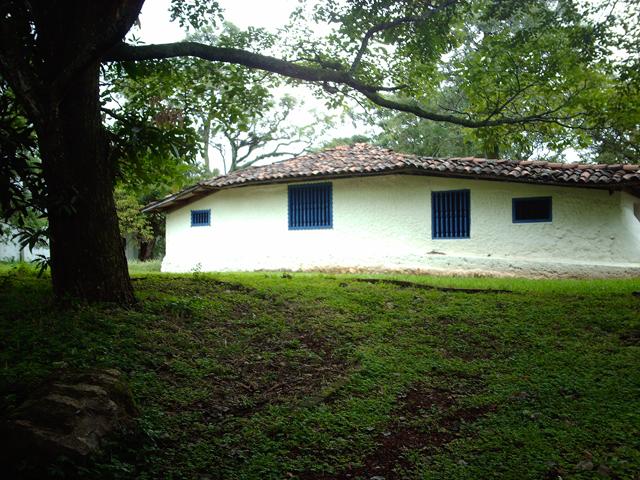
Agricultural Historical Museum, Adobe House, Sugar Cane Mill
- Captive breeding of species of tropical flora and fauna
- Environmental Education
- Conservation and Rehabilitation of Habitat
About Centro de Conservación de Santa Ana
The Centro de Conservación de Santa Ana (CCSA), also known as the Santa Ana Conservation Center, was a significant wilderness area and zoo located in the Uruca district of Santa Ana, Costa Rica. Encompassing approximately 130 acres, the site was notable for preserving one of the last remaining patches of dry tropical forest in the Central Valley. It offered visitors trails, an Agricultural Historical Museum, picnic areas, and a variety of wild and domestic animals, alongside a nursery for forest species.
History and Administration
The land that formed the CCSA has roots in a family legacy, originally acquired by Robert Ross Lang in 1869 to establish a sugar cane mill. Over time, it became known as Hacienda Ross. The property was later divided among the heirs, with one portion becoming Finca Lornessa. In 1975, Mr. Lorne Ross partially donated this land to the Costa Rican government for the creation of a national zoo, with the remainder of the property acquired for the same purpose in 1976. The mission of the institution was defined in 1993 as the conservation of national, historical, and natural heritage.
From 1994 until its closure on May 11, 2024, the Centro de Conservación de Santa Ana was administered by Fundación Pro Zoológicos (Fundazoo), a conservation nonprofit foundation. Fundazoo also managed the Simón Bolivar National Zoo and Botanic Garden. During its operational years, the CCSA, under Fundazoo's guidance, focused on research, captive breeding of tropical flora and fauna, environmental education, habitat conservation and rehabilitation, and ecotourism for recreation.
Attractions and Heritage
Beyond its natural dry tropical forest remnants, the CCSA featured several key attractions. Its most historically valuable infrastructure was an adobe house, over 250 years old, constructed from adobe, masonry, and sugarcane with a tiled roof. This structure, declared National Historical Heritage, once served as the first church of Santa Ana in 1850 and contained a chapel. The site also included the Historical Agricultural Museum, which showcased an old mill, crops, and domestic animals representative of the Central Valley, as well as ruins of a coffee benefit facility. The center aimed to introduce various species of flora and fauna from across Costa Rica to promote the concept of tropical habitat conservation.
Source: Wikipedia ↗
Frequently Asked Questions
When did the Centro de Conservación de Santa Ana close?
The Centro de Conservación de Santa Ana officially closed its doors on May 11, 2024. This followed the expiration of the contract for its administration by Fundación Pro Zoológicos on May 10, 2024.
What was the size of the Centro de Conservación de Santa Ana?
The zoo and wilderness area covered approximately 52 hectares, which is equivalent to about 130 acres. This substantial size allowed for diverse habitats and attractions.
Who administered the Centro de Conservación de Santa Ana?
The conservation nonprofit foundation Fundación Pro Zoológicos (Fundazoo) administered the Centro de Conservación de Santa Ana from 1994 until its closure. Fundazoo also managed the Simón Bolivar National Zoo and Botanic Garden.
What historical structures were on the grounds?
The most significant historical structure was an adobe house, over 250 years old, made of adobe, masonry, and sugarcane, with a tiled roof. This house, declared National Historical Heritage, served as the first church of Santa Ana in 1850 and included a chapel.
What natural features were present at the center?
The center was situated within one of the last remnants of dry tropical forest in the Central Valley. It also featured trails, patches of forest regeneration, and a nursery for forest species.
Related Zoos

Las Pumas Cat Zoo
Centro de Rescate Las Pumas, also known as Las Pumas Cat Rescue Center, is a rural park and wildlife rescue center located in southern Cañas, Costa Rica. It plays a crucial role in rehabilitating animals rescued from human interaction, with the goal of reintroducing many species back into the wild.
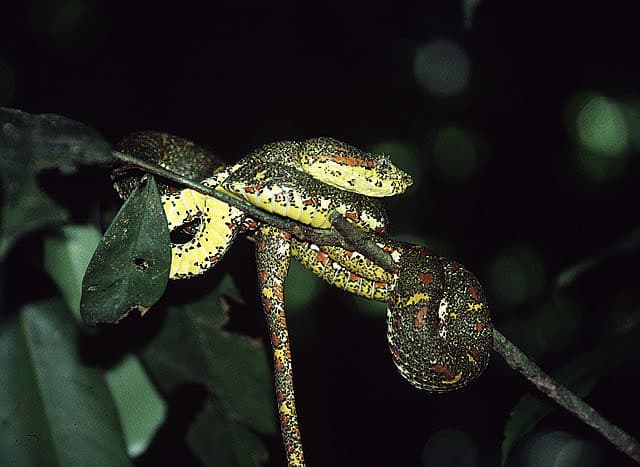
Parque Viborana
Parque Viborana, also known as Serpentario Viborana, is a privately operated serpentarium, rescue center, and environmental education facility located in Costa Rica. It focuses on rehabilitating mistreated, injured, orphaned, and confiscated snakes, particularly venomous species, with the goal of reintroducing them into protected natural habitats.

Instituto Clodomiro Picado
The Instituto Clodomiro Picado is a leading research center in Costa Rica dedicated to the study of snakes and their venoms, and the production of antivenom. As a research unit of the Universidad de Costa Rica, it plays a crucial role in public health by supplying life-saving serums across Central America and beyond, while also engaging in vital educational outreach.