
Parque Viborana
Costa Rica·Serpentarium
Parque Viborana, also known as Serpentario Viborana, is a privately operated serpentarium, rescue center, and environmental education facility located in Costa Rica. It focuses on rehabilitating mistreated, injured, orphaned, and confiscated snakes, particularly venomous species, with the goal of reintroducing them into protected natural habitats.
Key Facts
- ›Located near Turrialba Volcano in Cartago Province, Costa Rica.
- ›Founded and run by Costa Rican herpetologist Minor Camacho.
- ›Focuses on the rehabilitation and reintroduction of venomous snakes.
- ›Also serves as a snake removal service for local residents.
- ›Exhibits indigenous reptiles, many of which are rescued from human-inhabited areas.
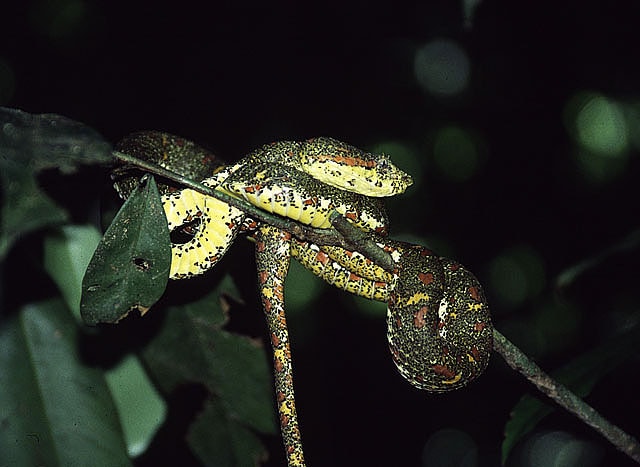
Fer-De-Lance, Eyelash Viper, Pythons, Coral Snakes, Rattlesnakes
- Rehabilitation and reintroduction of mistreated, injured, orphaned, and/or confiscated snakes
- Focus on venomous species for reintroduction into protected areas, primarily the Pacuare River primary forest
About Parque Viborana
What is Parque Viborana?
Parque Viborana, known in Spanish as Serpentario Viborana, is a privately operated serpentarium, rescue center, and environmental education facility situated near the Turrialba Volcano in the Cartago Province of Costa Rica. The center is dedicated to the rehabilitation of snakes that have been mistreated, injured, orphaned, or confiscated. Its primary focus is on venomous species, with the ultimate goal of reintroducing them into their natural habitats within protected areas, notably the primary forest along the Pacuare River.
Operations and Focus
The center was established and is managed by Minor Camacho, a Costa Rican herpetologist. Camacho is a former reptile handler and previously served as the chief of the Herpetarium division within the Department of Biochemistry at the University of Costa Rica. Parque Viborana also serves as a "snake call center," where Camacho and his staff respond to calls from residents to safely remove venomous snakes from homes and properties, relocating them to safer, uninhabited areas.
History and Exhibits
Initially, the center began as a herpetarium exhibition for reptiles and amphibians. This focus shifted after research suggested an increase in snake populations around the Pacuare River's sugarcane landscapes. The herpetarium then redirected its efforts towards studying the natural history dynamics of snakes in the fields of Cartago. The exhibits at Parque Viborana are devoted to indigenous reptiles, many of which are collected from local homes, yards, or areas slated for controlled burning programs designed to prevent summer grass fires. Among the animals housed at the center are the fer-de-lance (Bothrops lanceolatus), the eyelash viper (Bothriechis schlegelii), large and small pythons, coral snakes, and rattlesnakes. Visitors are permitted to enter the center during specific hours each day.
Source: Wikipedia ↗
Frequently Asked Questions
What is Parque Viborana?
Parque Viborana, also known as Serpentario Viborana, is a privately operated serpentarium, rescue center, and environmental education facility in Costa Rica. It is dedicated to the rehabilitation and reintroduction of snakes, with a particular focus on venomous species.
Where is Parque Viborana located?
The center is situated near Turrialba Volcano in the Cartago Province of Costa Rica. It is a privately operated facility.
What is the main purpose of Parque Viborana?
The primary purpose of Parque Viborana is to rehabilitate mistreated, injured, orphaned, and confiscated snakes, especially venomous ones. Once rehabilitated, these animals are reintroduced into their natural habitats in protected areas.
Who founded Parque Viborana?
Parque Viborana was created and is run by Minor Camacho, a Costa Rican herpetologist. Camacho is a former reptile handler and was formerly chief of the Herpetarium division at the University of Costa Rica.
What types of animals can be found at Parque Viborana?
The center is devoted to indigenous reptiles, including venomous species like the fer-de-lance (Bothrops lanceolatus), eyelash viper (Bothriechis schlegelii), coral snakes, and rattlesnakes, as well as pythons. Many of these are rescued reptiles.
Does Parque Viborana offer educational programs?
Yes, Parque Viborana functions as an environmental education facility. Its educational guides explore the natural history and habitats of poisonous snakes, rather than focusing solely on taxonomy.
Related Zoos
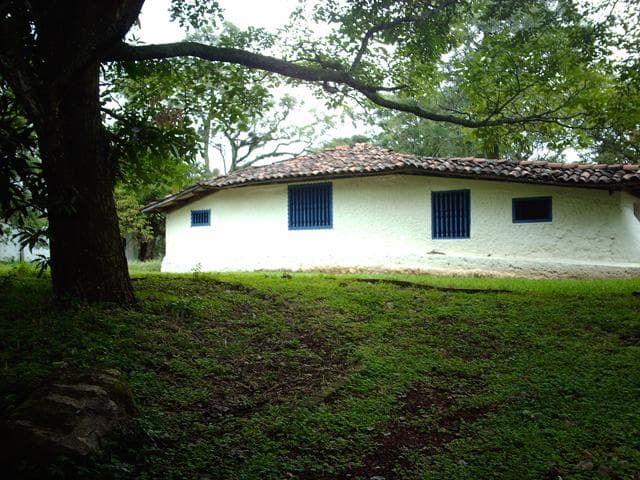
Centro de Conservación de Santa Ana
The Centro de Conservación de Santa Ana (CCSA) was a wilderness area and zoo in Costa Rica, spanning approximately 130 acres and featuring remnants of dry tropical forest. Administered by Fundación Pro Zoológicos (Fundazoo) since 1994, it served as a center for conservation, education, and recreation until its official closure in May 2024.

Las Pumas Cat Zoo
Centro de Rescate Las Pumas, also known as Las Pumas Cat Rescue Center, is a rural park and wildlife rescue center located in southern Cañas, Costa Rica. It plays a crucial role in rehabilitating animals rescued from human interaction, with the goal of reintroducing many species back into the wild.

Arenal Eco Zoo
The Arenal Eco Zoo is a nature center situated in western Alajuela Province, Costa Rica, near Lake Arenal and the border of Guanacaste Province. It is distinguished by its extensive collection of reptiles, amphibians, arachnids, and insects, alongside educational exhibits and guided tours into the surrounding jungle to observe local wildlife.