
Changa Manga Wildlife Park
Pakistan·Forest Preserve·19th century
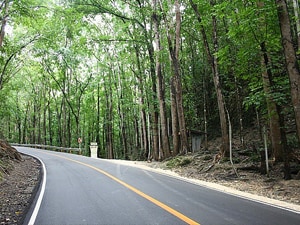
Changa Manga Wildlife Park is a historic, man-made forest and wildlife preserve in Punjab, Pakistan, renowned as one of the world's oldest hand-planted forests. Originally established in 1866 to supply timber for railway networks, it has faced significant deforestation but remains a vital habitat for diverse flora and fauna, and a crucial center for vulture conservation.
Key Facts
- ›Located approximately 74 km west of Lahore in the Kasur and Lahore districts of Punjab, Pakistan.
- ›Originally planted in 1866 by British foresters.
- ›Covers an area of 48.6 square kilometers (12,000 acres), though significantly reduced from its original size.
- ›Home to 14 species of mammals, 50 species of birds, six species of reptiles, two species of amphibians, and 27 species of insects.
- ›Features a dedicated Vulture Conservation Centre for critically endangered Asiatic vultures.
- ›Includes a wildlife reserve covering 40 acres, established in 2008.
Vulture Conservation Centre, Wildlife Reserve
Asiatic Vultures, Hog Deer, Indian Peafowl, Golden Jackal, Mouflon, Nilgai, Wild Boar
- WWF SAVE (Saving Asia's Vultures from Extinction) programme
- Gyps Vulture Restoration Programme
About Changa Manga Wildlife Park
Changa Manga Wildlife Park, also known by its Urdu and Punjabi name (چھانگا مانگا), is a significant man-made forest and wildlife preserve located in the Kasur and Lahore districts of Punjab, Pakistan. It holds the distinction of being one of the world's oldest hand-planted forests, originally established in 1866 by British foresters. Its primary purpose at inception was to generate timber and fuel for the engines of the North-Western railway networks, and it was once considered the largest man-made forest globally.
History and Naming
The name 'Changa Manga' originates from two brother dacoits, Changa and Manga, who were known for their banditry in the region during the 19th century. Their hideout within the forest inspired its name. Following their capture, the Salvation Army established a camp at the site for the reformation of criminals. The forest plantation began in 1866, with German forester Berthold Ribbentrop playing a key role in its early development using a trench and ridge system. By 1870, the irrigated plantation had expanded significantly and was supported by a dedicated narrow-gauge railway, the Changa Manga Forestry Railway, for logging operations.
Flora and Fauna
Changa Manga boasts a rich biodiversity, hosting a wide array of flora and fauna. The most common tree species include Dalbergia sissoo (Sheesham) and Acacia nilotica (Kikar), alongside introduced species like Morus alba (white mulberry) and various Eucalyptus and Populus varieties. The forest is a habitat for 14 species of mammals, 50 species of birds, six species of reptiles, two species of amphibians, and 27 species of insects.
Wildlife Conservation
Beyond its historical significance, Changa Manga is a vital center for wildlife conservation and breeding. It is home to a dedicated Vulture Conservation Centre, operating in association with the WWF SAVE programme, focusing on the critically endangered Asiatic vulture species, Gyps bengalensis. The centre actively participates in the Gyps Vulture Restoration Programme, aiming to bolster the populations of these threatened birds. Additionally, a 40-acre wildlife reserve established in 2008 houses species such as hog deer, Indian peafowl, golden jackal, mouflon, nilgai, and wild boar.
Recreation and Challenges
Parts of Changa Manga have been developed into a recreation park, offering attractions like a miniature train ride, a waterfall, a children's play area, and boating on Lunar Lake. However, the forest has faced severe challenges from massive illegal deforestation and timber mafia activities, which have significantly reduced its size. In response to these threats, government initiatives have been undertaken to combat deforestation, improve forest management, enhance security through boundary fencing and patrolling, and undertake new afforestation projects. These efforts aim to restore Changa Manga to its former status and ensure its long-term survival as a vital ecological and historical site.
Source: Wikipedia ↗
Frequently Asked Questions
What is Changa Manga Wildlife Park?
Changa Manga Wildlife Park is a large, man-made forest and wildlife preserve in Punjab, Pakistan. It is recognized as one of the oldest hand-planted forests globally and serves as an important habitat for numerous species.
When was Changa Manga Wildlife Park established?
The forest plantation that forms Changa Manga Wildlife Park began in 1866. It was initiated by British foresters to meet the growing demand for timber and fuel resources.
What is the history behind the name Changa Manga?
The name 'Changa Manga' is derived from two brother dacoits (bandits) named Changa and Manga. They were notorious in the districts during the 19th century, and their hideout in the forest inspired its name.
What kind of wildlife can be found at Changa Manga?
Changa Manga is home to a diverse range of wildlife, including 14 species of mammals, 50 species of birds, six species of reptiles, and two species of amphibians. It also hosts a significant population of insects.
What conservation efforts are in place at Changa Manga?
Changa Manga plays a critical role in wildlife conservation, particularly for the critically endangered Asiatic vultures. It houses a Vulture Conservation Centre operating under the Gyps Vulture Restoration Programme in association with WWF.
What are the main attractions for visitors at Changa Manga?
Visitors can enjoy a recreation park with a miniature train ride through the forest, a water turbine, a waterfall, a children's play area, and boating on Lunar Lake. The Changa Manga Tourist Resort is also situated nearby.
Has Changa Manga faced any environmental challenges?
Yes, Changa Manga has suffered from massive illegal deforestation, at one point reducing it to less than half its original size. Efforts have been made to combat this and revive the forest, including boundary fencing and new afforestation projects.
Related Zoos

Jallo Wildlife Park
Jallo Wildlife Park, established in 1978, is a public recreation and wildlife site in Lahore, Pakistan. Spanning 461 acres, it serves as a significant green space and houses a wildlife breeding center, contributing to local biodiversity and public engagement with nature.
Adelaide Zoo
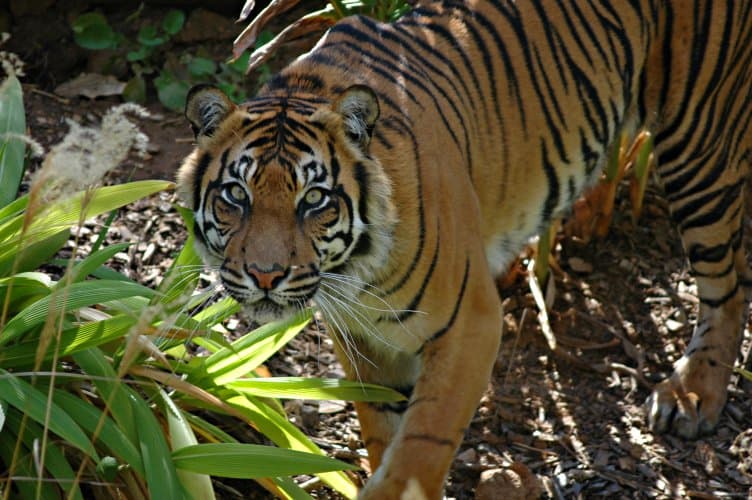
Adelaide Zoo, established in 1883, is Australia's second-oldest zoo and operates on a non-profit basis. Situated north of Adelaide's city center, it is managed by the Royal Zoological Society of South Australia and is a key institution for wildlife conservation and public education in the region.

Alipore Zoological Gardens
The Zoological Garden, Alipore, commonly known as Alipore Zoo or Kolkata Zoo, is India's oldest formally established zoological park, opening its doors in 1876. It is a significant tourist destination in Kolkata, West Bengal, recognized for its historical importance and as the former home of the Aldabra giant tortoise Adwaita, believed to be over 250 years old at his death. The zoo also plays a role in conservation efforts, notably with its captive breeding program for the Manipur brow-antlered deer.