
Chiba Zoological Park
Chiba Zoological Park, located in Chiba Prefecture, Japan, is a significant zoological institution that opened in 1985. It is recognized for its diverse animal collection, including many endangered species, and its commitment to conservation and public education through innovative exhibits and programs.
Key Facts
- ›Opened in April 1985.
- ›Houses approximately 91 species as of April 2026.
- ›Features a "Forest of Life: Tropical Rainforest" exhibit with a recreated Bornean rainforest diorama.
- ›Certified as a Rare Species Conservation Zoo by Japan's Ministry of the Environment in March 2026.
- ›Well-known as a cherry blossom viewing spot with about 580 cherry trees of over ten varieties.
- ›Attracts between 560,000 and 580,000 visitors annually.

Forest of Life: Tropical Rainforest, Zoological Hall, Nocturnal Animal Area, Marmoset Exhibit, Bird Hall, Small Animals Zone, Steppe Zone, Children's Zoo, Monkey Zone, Ancestors of Domestic Animals Zone, Avian and Aquatic Zone
Western Lowland Gorilla, Cotton-Top Tamarin, Celebes Macaque, Black-and-White Ruffed Lemur, Black-Tailed Marmoset, Scimitar-Horned Oryx, Futa the Red Panda, Cheetah
- Breeding program for cheetahs
- Conservation of endangered species including gorillas, tamarins, macaques, and lemurs
- Rare Species Conservation Zoo certification covering 24 species
About Chiba Zoological Park
The Chiba Zoological Park is a prominent zoological institution situated in Chiba Prefecture, east of Tokyo, Japan, near the shores of Tokyo Bay. Established in April 1985, the park has grown to encompass seven distinct areas, offering visitors a diverse range of animal encounters and educational experiences. It is easily accessible via the Chiba Monorail, with Dobutsukoen Station located a short walk from its main gate.
Animals and Exhibits
As of April 2026, Chiba Zoological Park houses approximately 91 species, including a significant number of animals listed on the IUCN Red List. Among its critically endangered residents are the western lowland gorilla, cotton-top tamarin, Celebes macaque, and black-and-white ruffed lemur. The park holds the distinction of being the only zoo in Japan to exhibit the black-tailed marmoset and also features the scimitar-horned oryx, which is extinct in the wild.
The Zoological Hall, after a major renovation, reopened in March 2025 with a new exhibit titled "Forest of Life: Tropical Rainforest." This immersive area educates visitors on the importance of rainforests, their inhabitants, and the impact of human activities, featuring a diorama of a Bornean rainforest and a recreated tropical rainstorm. The hall also includes a nocturnal animal area, a marmoset exhibit, and a Bird Hall. Other zones within the park include the "Small Animals Zone," home to the zoo's mascot Futa the red panda, the "Steppe Zone" with large herbivores, the "Children's Zoo" for direct interaction, the "Monkey Zone," the "Ancestors of Domestic Animals Zone," and the "Avian and Aquatic Zone" highlighted by sea lions.
Conservation and Visitor Engagement
Chiba Zoological Park is actively involved in conservation efforts and has a successful breeding record for rare species. In June 2021, it achieved its first cheetah birth with six cubs as part of an international breeding program. In March 2026, the park received official certification from Japan's Ministry of the Environment as a Rare Species Conservation Zoo, acknowledging its work with 24 species. The park also implements "Animal Enrichment Programs," such as "Cheetah Run" and "Lion Meat Catcher," to encourage natural behaviors and provide educational opportunities for visitors. The "Egyptian Vulture Egg-Cracking Event" showcases tool use in birds.
Seasonal Appeal and Visitor Information
Beyond its zoological offerings, the park is a popular destination for viewing cherry blossoms, with around 580 trees of over ten varieties blooming from early March through late April. The park attracts between 560,000 and 580,000 visitors annually and has welcomed over 27 million visitors since its opening. It is open from 9:30 AM to 4:30 PM, closed on Wednesdays, and offers admission fees for adults, with children entering for free. The park's location makes it a convenient base for exploring other attractions in Chiba City, including Chiba Port Park and Tokyo Disney Resort.
Source: Wikipedia ↗
Frequently Asked Questions
When did Chiba Zoological Park open?
Chiba Zoological Park first opened its doors in April 1985. It celebrated its 40th anniversary in April 2025.
What kind of animals can I see at Chiba Zoological Park?
The park houses a diverse range of animals, including mammals, birds, reptiles, fish, and crustaceans. Notable species include western lowland gorillas, cotton-top tamarins, Celebes macaques, black-and-white ruffed lemurs, and the only black-tailed marmoset in Japan. The park also features large herbivores like elephants and giraffes, as well as sea lions and shoe-billed storks.
Does Chiba Zoological Park focus on conservation?
Yes, Chiba Zoological Park has a strong focus on conservation. It houses many critically endangered species and has successfully bred rare animals. In March 2026, it was certified as a Rare Species Conservation Zoo by Japan's Ministry of the Environment, recognizing its work with 24 species, including cheetahs and gorillas.
What are some of the unique exhibits at the zoo?
A prominent exhibit is the "Forest of Life: Tropical Rainforest" in the Zoological Hall, which educates visitors about rainforest ecosystems and features a recreated Bornean rainforest. The zoo also offers an "Animal Enrichment Program" with activities like Cheetah Runs and Lion Meat Catchers, demonstrating natural behaviors.
Is Chiba Zoological Park a good place to see cherry blossoms?
The park is renowned as a cherry blossom viewing spot in Chiba City, boasting approximately 580 cherry trees of more than ten varieties. The blooming season extends from early March through late April, allowing visitors to enjoy both the blossoms and the animals simultaneously.
How do I get to Chiba Zoological Park?
The park is easily accessible by public transportation. From Tokyo Station, one can take the JR Chūō-Sōbu Line to Chiba Station, then transfer to the Chiba Urban Monorail Line 2 to Dobutsukoen Station, which is a short walk from the park's main gate.
Related Zoos

Nogeyama Zoo
Nogeyama Zoological Gardens, commonly known as Nogeyama Zoo, is a free public zoo located in Yokohama, Japan. Opened in 1951, it is a significant zoological institution within the city, housing a diverse collection of animals and contributing to conservation efforts. The zoo is a popular destination for visitors of all ages, offering an accessible and educational wildlife experience.
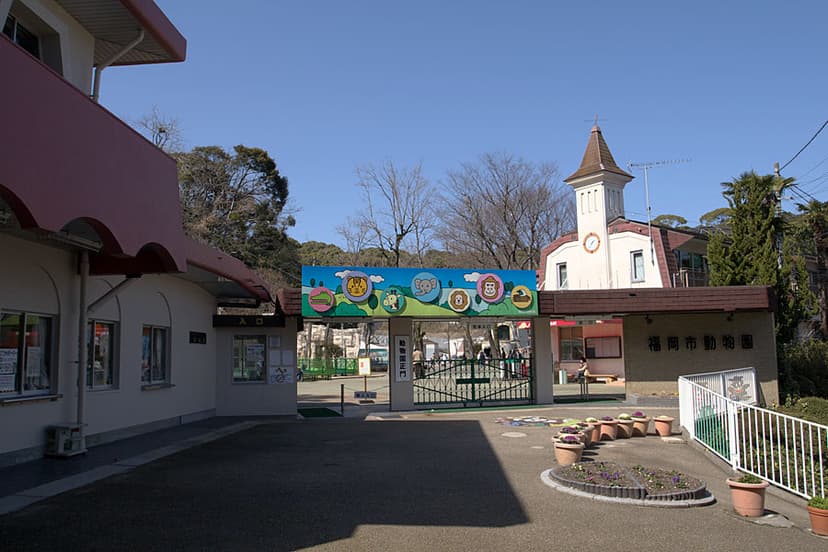
Fukuoka Municipal Zoo and Botanical Garden
The Fukuoka Municipal Zoo and Botanical Garden, also known as the Fukuoka City Zoological Garden, is a public institution established in 1953. It serves as both a zoological park and a botanical garden, housing a diverse collection of plants and animals for public viewing and education. The zoo has a significant history, having been established in a previous location in 1933 before relocating to its current site.

Hiroshima City Asa Zoological Park
Hiroshima City Asa Zoological Park is a zoo located in Hiroshima, Japan, that opened in 1971. It is known for its diverse collection of animals and its engagement with citizen volunteers to enhance visitor experience.