
Nogeyama Zoo
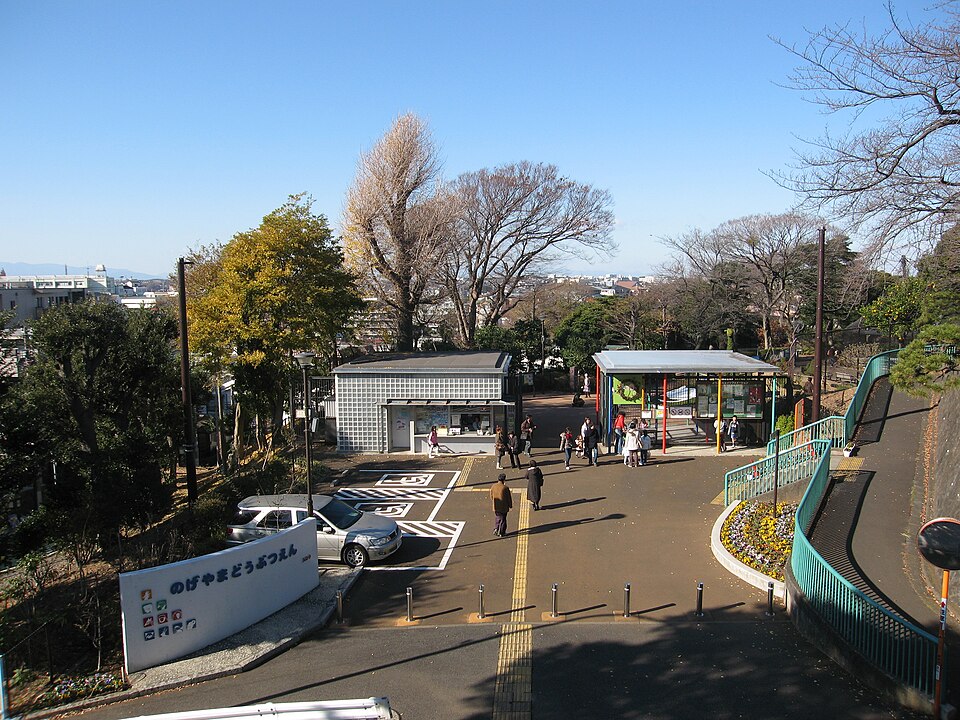
Nogeyama Zoological Gardens, commonly known as Nogeyama Zoo, is a free public zoo located in Yokohama, Japan. Opened in 1951, it is a significant zoological institution within the city, housing a diverse collection of animals and contributing to conservation efforts. The zoo is a popular destination for visitors of all ages, offering an accessible and educational wildlife experience.
Key Facts
- ›Opened in April 1951.
- ›Covers 9.6 hectares (24 acres).
- ›Houses approximately 1400 animals of 100 different species.
- ›Operated by the Yokohama Zoological Garden.
- ›Member of the Japanese Association of Zoos and Aquariums (JAZA).
- ›Features a popular red panda exhibit near the entrance.
Red Panda Exhibit
Red Panda, Leopards, Blackbuck, Dromedary Camels, Sloth Bears, Ring-Tailed Lemurs, Pileated Gibbons, Caracals, Clouded Leopards, Giant Anteaters, Kleinmann's Tortoises, Asian Forest Tortoises, Radiated Tortoises, Andean Condors
Leopard Breeding, Blackbuck Breeding, Dromedary Camel Breeding, Sloth Bear Breeding, Ring-Tailed Lemur Breeding, Pileated Gibbon Breeding, Caracal Breeding, Clouded Leopard Breeding, Giant Anteater Breeding, Kleinmann's Tortoise Breeding, Asian Forest Tortoise Breeding, Radiated Tortoise Breeding, Andean Condor Captive Breeding
About Nogeyama Zoo
Nogeyama Zoological Gardens
Nogeyama Zoological Gardens, also known as Nogeyama Zoo, is a publicly accessible and free zoo situated in Nogeyama Park, Nishi-ku, Yokohama, Japan. Established in April 1951, it has grown to become a significant zoological institution within the region, covering an area of 9.6 hectares (24 acres). The zoo is operated by the Yokohama Zoological Garden and holds membership in the Japanese Association of Zoos and Aquariums (JAZA).
Animals and Exhibits
The zoo houses a diverse collection of approximately 1400 animals representing 100 different species. Among its popular inhabitants is the red panda, which is prominently displayed near the zoo's entrance. Other animals found at Nogeyama Zoo include Mandarin ducks, cranes, chimpanzees, hamadryas baboons, various reptiles, lions, tigers, zebras, giraffes, flamingos, camels, lemurs, colobus monkeys, capuchins, swans, ducks, penguins, wallabies, deer, various birds of prey like eagles and owls, condors, bears, and Tokyo bitterlings.
Makigahara Children's Zoo
As an extension of Nogeyama Zoo, the Makigahara Children's Zoo was opened in 1979. This section is primarily dedicated to farm animals and small domestic creatures such as mice, guinea pigs, chickens, rabbits, and fantail pigeons. It also houses some exotic species, including snakes, providing a different kind of visitor experience.
Conservation Achievements
Nogeyama Zoo has a notable history of conservation and breeding successes. It was the first zoo in Japan to successfully house leopards (1952), blackbuck (1953), dromedary camels (1954), sloth bears (1965), ring-tailed lemurs (1969), pileated gibbons and caracals (1974), clouded leopards (1983), giant anteaters (1985), Kleinmann's tortoises (1992), Asian forest tortoises (1997), and radiated tortoises (2009). Furthermore, in 1972, it achieved the distinction of being the second zoo in the world to successfully breed Andean condors in captivity. More recently, in 2016, the zoo successfully bred the highly endangered Ploughshare tortoise from Madagascar.
Source: Wikipedia ↗
Frequently Asked Questions
What are the operating hours for Nogeyama Zoo?
Nogeyama Zoo is open daily from 9:30 am to 4:00 pm. Visitors should note that the zoo is closed on Mondays.
What kind of animals can I see at Nogeyama Zoo?
The zoo houses a wide variety of animals, including red pandas, chimpanzees, baboons, lions, tigers, zebras, giraffes, penguins, and many bird species such as flamingos and eagles. It also features reptiles and farm animals at its Makigahara Children's Zoo.
Does Nogeyama Zoo have any special exhibits or attractions?
The red panda is highlighted as one of the first animals visitors encounter and is a popular attraction. Additionally, the Makigahara Children's Zoo offers a dedicated space for farm animals and smaller domestic species.
Is Nogeyama Zoo involved in conservation efforts?
Yes, Nogeyama Zoo has a history of successful breeding programs for various species, being the first in Japan to house leopards, blackbuck, and dromedary camels. It was also the second zoo globally to breed Andean condors in captivity and has successfully bred highly endangered tortoises.
What is the size of Nogeyama Zoo?
Nogeyama Zoo spans 9.6 hectares, which is equivalent to 24 acres of land.
Related Zoos

Chiba Zoological Park
Chiba Zoological Park, located in Chiba Prefecture, Japan, is a significant zoological institution that opened in 1985. It is recognized for its diverse animal collection, including many endangered species, and its commitment to conservation and public education through innovative exhibits and programs.
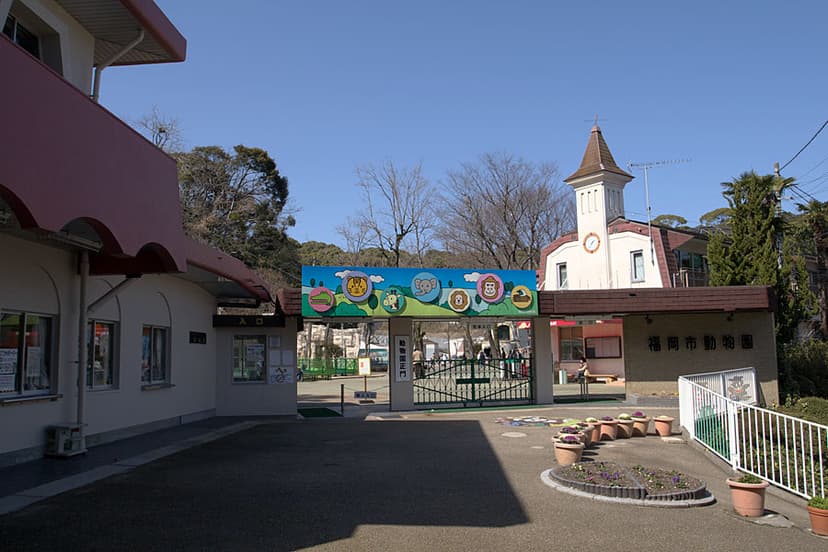
Fukuoka Municipal Zoo and Botanical Garden
The Fukuoka Municipal Zoo and Botanical Garden, also known as the Fukuoka City Zoological Garden, is a public institution established in 1953. It serves as both a zoological park and a botanical garden, housing a diverse collection of plants and animals for public viewing and education. The zoo has a significant history, having been established in a previous location in 1933 before relocating to its current site.

Hiroshima City Asa Zoological Park
Hiroshima City Asa Zoological Park is a zoo located in Hiroshima, Japan, that opened in 1971. It is known for its diverse collection of animals and its engagement with citizen volunteers to enhance visitor experience.