
Crocodile Zoo
The Crocodile Zoo, located on the Danish island of Falster, is a specialized zoological park dedicated to crocodilians. Established in 2000, it holds the world's largest collection of these reptiles, featuring nearly all existing species and playing a significant role in their conservation and breeding programs.
Key Facts
- ›Founded in 2000 by Rene Hedegaard.
- ›Houses the world's largest collection of crocodilians, with almost all existing species.
- ›Features Europe's largest male Nile crocodile, Sobek, and one of Europe's largest reticulated pythons, Medusa.
- ›Participates in and coordinates European breeding programs for endangered crocodilians like the black caiman and Philippine crocodile.
- ›A portion of each admission ticket supports conservation projects by the IUCN Crocodile Specialist Group.

Species-Specific Crocodilian Enclosures, Tropical Hall
Sobek, Medusa
- European Breeding Program For Black Caiman
- European Breeding Program For Philippine Crocodile
- Orinoco Crocodile Breeding Program
About Crocodile Zoo
The Crocodile Zoo
The Crocodile Zoo is a specialized zoological park situated on the Danish island of Falster, located northeast of Eskilstrup. Founded in 2000 by Rene Hedegaard, it has rapidly become recognized as the largest zoo of its kind in Europe.
Collection and Significance
The primary focus of the Crocodile Zoo is its extensive collection of crocodilians, encompassing crocodiles, alligators, caimans, gharials, and their relatives. The zoo houses the world's largest collection of these reptiles, featuring nearly all of the approximately 24 existing species. This makes it a crucial center for the study and preservation of these ancient creatures. Notable inhabitants include Sobek, a male Nile crocodile exceeding 5 meters in length and weighing 600 kg, recognized as the largest crocodilian in Europe. Additionally, Medusa, a reticulated python measuring 6.3 meters, is among the largest snakes housed in Europe.
Conservation and Breeding Efforts
The Crocodile Zoo plays a vital role in global conservation efforts for crocodilians. A portion of every admission ticket sold is directed towards conservation projects managed by the IUCN Crocodile Specialist Group. The zoo actively participates in numerous breeding programs, notably coordinating the European programs for the black caiman and the Philippine crocodile. Their Orinoco crocodiles are also part of a collaborative effort involving zoos in the United States, the FUDECI foundation, and Venezuelan authorities, aimed at releasing these crocodiles back into the wild.
Exhibits and Other Animals
Located on a former farm, the zoo's exhibits are designed to highlight the differences between various crocodilian species. Enclosures are species-specific, featuring plants and artificial cliffs, and some are shared with turtles. In 2023, a new 1,000 m² tropical hall was opened to accommodate the growing collection and provide enhanced living conditions. As of 2023, 18 of the zoo's 24 crocodilian species had successfully bred at the facility, a breeding success rate noted as being higher than any other facility globally. Beyond crocodilians, the Crocodile Zoo is also home to other animals, including clouded leopards, cougars, tayras, callitrichid monkeys, six-banded armadillos, monitor lizards, iguanas, hydrosaurs, parrots, and giant tortoises.
Source: Wikipedia ↗
Frequently Asked Questions
What is the Crocodile Zoo?
The Crocodile Zoo is a zoo located on the Danish island of Falster, dedicated to showcasing a vast collection of crocodilians. It aims to educate the public about these reptiles and contribute to their conservation.
When was the Crocodile Zoo founded?
The Crocodile Zoo was established in the year 2000. It was developed in cooperation with Bøgecentret and opened to the public in June of that year.
What makes the Crocodile Zoo's collection notable?
The Crocodile Zoo boasts the world's largest collection of crocodilians, featuring almost all of the 24 existing species. This includes rare species like the only Orinoco crocodiles found outside of the Americas.
What are some of the largest animals at the Crocodile Zoo?
The zoo is home to Sobek, a male Nile crocodile measuring over 5 meters and weighing 600 kg, making it the largest crocodilian in Europe. Medusa, a 6.3-meter reticulated python, is also among the largest snakes in Europe.
Does the Crocodile Zoo focus only on crocodilians?
While primarily focused on crocodilians, the zoo also houses other animals. These include cougars, clouded leopards, tayras, callitrichid monkeys, six-banded armadillos, monitor lizards, iguanas, hydrosaurs, parrots, and giant tortoises.
What conservation efforts does the Crocodile Zoo undertake?
The Crocodile Zoo actively participates in conservation by contributing a portion of ticket sales to the IUCN Crocodile Specialist Group. They also participate in and coordinate breeding programs for species like the black caiman and Philippine crocodile.
Related Zoos

Parc animalier de Sainte-Croix
The Parc animalier de Sainte-Croix is a French zoo dedicated to European fauna, situated within the Parc naturel régional de Lorraine. Founded in 1980 by Gérald Singer, it serves as a specialized center for the study and display of European wildlife.
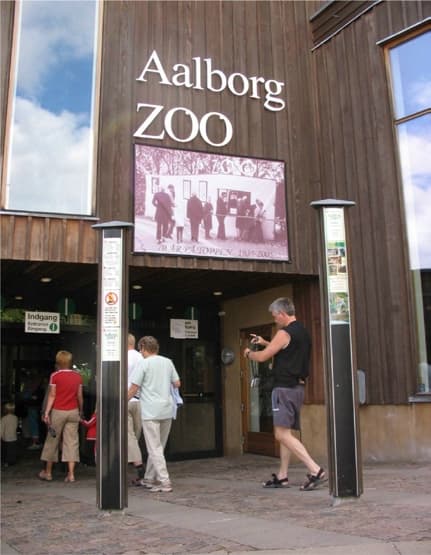
Aalborg Zoo
Aalborg Zoo is a zoological garden situated near the heart of Aalborg, Denmark, drawing approximately 375,000 visitors annually. It serves as a significant institution for animal conservation, actively participating in global breeding programs and environmental preservation projects, including supporting rainforest conservation in Ecuador.

Copenhagen Zoo
Copenhagen Zoo, established in 1859, is one of Europe's oldest zoological gardens. Located in Frederiksberg, Denmark, it spans 11 hectares and attracts over 1.3 million visitors annually, making it a significant Danish attraction. The zoo is notable for its modern enclosures, including a unique panda habitat designed by Bjarke Ingels Group and an elephant house by Norman Foster, and is a key participant in European breeding programs.