
Copenhagen Zoo
Copenhagen Zoo, established in 1859, is one of Europe's oldest zoological gardens. Located in Frederiksberg, Denmark, it spans 11 hectares and attracts over 1.3 million visitors annually, making it a significant Danish attraction. The zoo is notable for its modern enclosures, including a unique panda habitat designed by Bjarke Ingels Group and an elephant house by Norman Foster, and is a key participant in European breeding programs.
Key Facts
- ›Founded in 1859, making it one of Europe's oldest zoos.
- ›Covers an area of 11 hectares (27 acres).
- ›Attracts over 1.3 million visitors annually, ranking as Denmark's most visited zoo.
- ›Home to two giant pandas on loan from China since 2019.
- ›Features a unique panda habitat designed by Bjarke Ingels Group.
- ›Maintains the only breeding population of Tasmanian devils in Europe.

Arctic Ring, Tropical Zoo, Panda Habitat, Elephant House, Savanna, Tasmania Section
Giant Pandas, Tasmanian Devils, Amur Leopards, Polar Bears, Asian Elephants, Two-Toed Sloths
European Breeding Programmes, Breeding Population of Tasmanian Devils, Amur Leopard Breeding and Conservation
About Copenhagen Zoo
Copenhagen Zoo, known in Danish as København Zoo, is a zoological garden located in Frederiksberg, Denmark. Founded in 1859, it holds the distinction of being one of the oldest zoos in Europe. The zoo spans 11 hectares (27 acres) and is situated between Frederiksberg Gardens and Søndermarken. With an annual visitor count exceeding 1.3 million, it stands as Denmark's most visited zoo and a prominent attraction within the country.
History and Development
The zoo was established by ornithologist Niels Kjærbølling, initially utilizing the grounds of "Prinsess Vilhelmines Have." Early collections featured a modest array of animals, but over time, the zoo's focus shifted towards improved animal welfare, leading to more spacious enclosures and a refinement of species numbers. A significant period of renovation began in the early 1980s, aiming to replace traditional cages with environments that better replicate natural habitats. This initiative resulted in key developments like the Elephant House and the extensive Savanna area, which includes an underwater viewing facility for hippopotamuses.
Several historical buildings have been preserved, including a stable from 1872 now housing Bactrian camels, and a Herbivore House from 1875. An owl tower dating back to 1885 remains as a historical monument. A notable architectural feature is the 43.5-meter wooden observation tower, built in 1905, which offers panoramic views and is recognized as one of the tallest wooden observation towers globally.
Exhibits and Species
Copenhagen Zoo features diverse thematic sections. "The Nordics" presents species such as harbour seals, snowy owls, and brown bears, while the "Arctic Ring," opened in 2013, showcases polar bears with underwater viewing tunnels and North Atlantic seabirds.
The "Asia" section is home to Amur leopards, tigers, and Asian elephants, with a recent addition being the 160-meter "Leopard Trail" designed to enhance the Amur leopard habitat. The "Africa" section is largely occupied by the "Savanna," an open field housing white rhinoceroses, giraffes, and zebras, alongside a separate hippopotamus enclosure.
A unique "Tasmania" section was established following a gift of Tasmanian devils from the Tasmanian government in 2004, making Copenhagen Zoo the first outside Australia to house the species. This area also includes red-necked wallabies and common wombats.
The "South America" section is modeled after the South American pampas and includes capybaras, guanacos, and giant anteaters. The "Tropical Zoo" houses a rainforest hall with free-ranging birds, two-toed sloths, reptiles, amphibians, and fish.
Conservation and Notable Animals
Copenhagen Zoo plays a vital role in wildlife conservation and participates in numerous European breeding programs. It is the only zoo in Europe to maintain a breeding population of Tasmanian devils, with successful breeding documented since 2013. The zoo is also noted for housing rare Amur leopards, okapis, and musk oxen. Since April 2019, the zoo has hosted two giant pandas on loan from China, a significant addition that places it among a select group of European zoos to house the species. The panda habitat itself is a notable architectural achievement, designed by Bjarke Ingels Group.
Controversy
In February 2014, the zoo faced international criticism for the public culling of a healthy young male giraffe named Marius, which was then dissected and fed to lions. The zoo defended the action as a necessary measure for managing the giraffe population and maintaining genetic diversity within the European breeding program. This event, along with the subsequent culling of four lions in March 2014, sparked considerable debate regarding zoo ethics and public engagement with animal management practices.
Source: Wikipedia ↗
Frequently Asked Questions
When was Copenhagen Zoo founded?
Copenhagen Zoo was founded in 1859 by the ornithologist Niels Kjærbølling. This makes it one of the oldest zoological gardens in Europe.
What is the size of Copenhagen Zoo?
The zoo comprises 11 hectares, which is approximately 27 acres. It is situated in Frederiksberg, nestled between Frederiksberg Gardens and Søndermarken.
What are some of the notable exhibits at Copenhagen Zoo?
Notable exhibits include the "Arctic Ring" with polar bears and North Atlantic seabirds, the "Asia" section featuring Amur leopards and Asian elephants, and the "Africa" section with its "Savanna" area. The zoo also has a unique "Tasmania" section and a "Tropical Zoo" rainforest hall.
Does Copenhagen Zoo have giant pandas?
Yes, Copenhagen Zoo has been home to two giant pandas on loan from China since April 2019. Their habitat is a 4,000-square-meter structure designed in a yin and yang symbol shape.
What is the significance of the elephant house?
The elephant house, designed by architect Norman Foster, opened in 2008 and houses Asian elephants. It features glass-domed enclosures and opens out into a large paddock, with its border to Frederiksberg Gardens opened up for public viewing.
What is the purpose of the Children's Zoo?
The Children's Zoo allows visitors to interact with farm animals and small domestic animals. This section includes animals such as llamas, goats, cows, pigs, horses, chickens, and rabbits.
What are some of the rare species housed at Copenhagen Zoo?
Copenhagen Zoo is unique in Europe for maintaining a breeding population of Tasmanian devils. It also houses rare species and subspecies such as Amur leopards, okapis, musk oxen, Schmitz's caracals, and East African chimpanzees.
Related Zoos
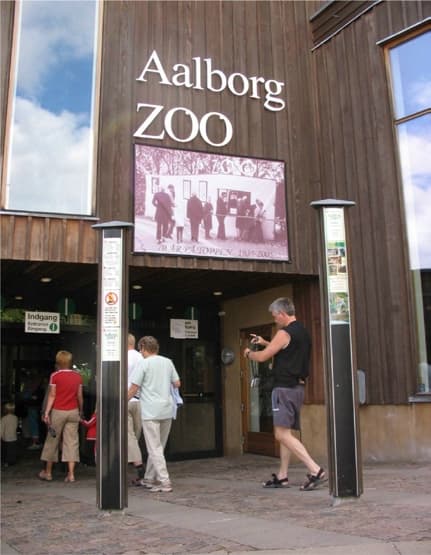
Aalborg Zoo
Aalborg Zoo is a zoological garden situated near the heart of Aalborg, Denmark, drawing approximately 375,000 visitors annually. It serves as a significant institution for animal conservation, actively participating in global breeding programs and environmental preservation projects, including supporting rainforest conservation in Ecuador.

Crocodile Zoo
The Crocodile Zoo, located on the Danish island of Falster, is a specialized zoological park dedicated to crocodilians. Established in 2000, it holds the world's largest collection of these reptiles, featuring nearly all existing species and playing a significant role in their conservation and breeding programs.
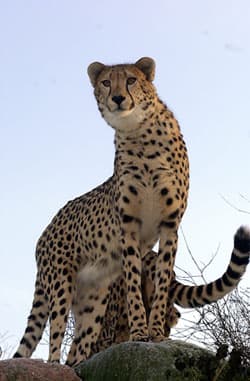
Ree Park Safari
Ree Park Safari is a safari park located in Ebeltoft, Denmark, housing over 800 animals from 80 species across five continents. It offers visitors an immersive experience into the lives and behaviors of animals from Europe, Africa, North America, South America, and Asia, with a significant emphasis on the welfare and conservation of endangered species.