
Dublin Zoo
Dublin Zoo, located in Phoenix Park, is a popular tourist attraction in Dublin, Ireland, established in 1831. It is dedicated to conservation projects, breeding programs, and raising public awareness about endangered species, with a mission to contribute to global species conservation. The zoo houses approximately 400 animals across 100 species within its 69-acre grounds.
Key Facts
- ›Established in 1831 and designed by Decimus Burton.
- ›Covers 69 acres (28 hectares) of Phoenix Park.
- ›Houses around 400 animals representing 100 species.
- ›Attracts over one million visitors annually.
- ›Focuses on conservation, breeding programs, and public awareness.
- ›Its mission is to contribute to the conservation of endangered species worldwide.

Himalayan Hills, African Savanna, Kaziranga Forest Trail, South American House, Zoorassic World, Gorilla Rainforest, Orangutan Forest, Sea Lion Cove, Family Farm, World of Primates, Asian Forests
Harry the Western Lowland Gorilla, Sita the Elephant, Slats the Lion, Ootec and Spunky, Linda the Hippo, Golden Lion Tamarins, Moluccan Cockatoos, Asian Elephants
- European Endangered Species Programme
- Golden lion tamarin breeding program and research funding
- Moluccan Cockatoo European Studbook Management
- Rodrigues Fruit Bat Conservation
- Conservation of Endangered Species
About Dublin Zoo
Dublin Zoo, officially known as Zú Bhaile Átha Cliath in Irish, is a renowned zoological garden situated within the expansive Phoenix Park in Dublin, Ireland. Established in 1830 and opened to the public in 1831, it stands as one of Dublin's most cherished and popular visitor attractions. The zoo's origins trace back to a meeting at the Rotunda Hospital, with initial animal donations from London Zoo and the Royal Menagerie of the Tower of London. From its inception, Dublin Zoo aimed for accessibility, notably by reducing its Sunday entrance fee to one penny, making it popular among a wider demographic.
History and Development
The 19th century saw the zoo grow, with the construction of its original cottage-style entrance lodge and the acquisition of significant animals like its first giraffe in 1844 and lions in 1855. A notable event in 1838, celebrating Queen Victoria's coronation, drew a record 20,000 visitors in a single day, a figure that remained unsurpassed for many years. The early 20th century presented challenges, including animal welfare concerns during events like the 1916 Easter Rising, where some animals were sacrificed to feed others. In the late 20th century, a period of financial difficulty in the late 1980s and early 1990s led to government intervention and a significant grant for improvements. The addition of 13 hectares of land surrounding Áras an Uachtaráin in 1997 greatly enhanced the space available for animals.
Modern Zoo and Conservation Focus
Today, Dublin Zoo is dedicated to conservation, breeding programs, and public education. Its mission statement emphasizes a global partnership approach to significantly contribute to the conservation of endangered species. The zoo spans approximately 69 acres and is organized into distinct, themed habitats such as the Himalayan Hills, African Savanna, Kaziranga Forest Trail, and World of Primates, among others. These environments are designed to simulate the natural habitats of the animals housed within them. The zoo attracts over one million visitors annually, making it a significant cultural and educational institution.
Notable Animals and Exhibits
Dublin Zoo houses a diverse collection of approximately 400 animals across 100 species. Among its notable exhibits are the African Plains, which feature a shared habitat for species like giraffes, zebras, and southern white rhinos, and the Gorilla Rainforest, home to a troop of western lowland gorillas. The Kaziranga Forest Trail is dedicated to Asian elephants, while other areas showcase snow leopards, red pandas, Asiatic lions, Amur tigers, and various primate species. The zoo also features specialized areas like the South American House, Sea Lion Cove, and a Nocturnal House.
Conservation Efforts
Conservation is central to Dublin Zoo's operations. It actively participates in the European Endangered Species Programme (EEP), playing a key role in managing breeding groups for species such as golden lion tamarins and Moluccan cockatoos. The zoo funds research and works to protect endangered species, aiming to maintain genetically healthy captive populations. In 2023, it opened the National Centre for Species Survival in partnership with the IUCN, further solidifying its commitment to conservation science and action. Despite facing challenges, including historical animal welfare concerns and more recent allegations of mistreatment, Dublin Zoo continues to emphasize its dedication to animal welfare and the vital work of species preservation.
Source: Wikipedia ↗
Frequently Asked Questions
When was Dublin Zoo established?
Dublin Zoo was established in 1830 by the Royal Zoological Society of Dublin and opened its doors to the public on September 1, 1831. It was designed by Decimus Burton.
What is the size of Dublin Zoo?
Dublin Zoo covers over 28 hectares, which is approximately 69 acres, within Phoenix Park. This area provides ample space for its diverse animal habitats and exhibits.
How many animals and species are at Dublin Zoo?
As of July 2022, Dublin Zoo houses about 400 animals across 100 different species. These animals are housed in various themed habitats designed to mimic their natural environments.
What is the main focus of Dublin Zoo?
Dublin Zoo's primary focus is on conservation projects, breeding programmes for endangered species, and increasing public awareness about animals. Its stated mission is to make a significant contribution to global species conservation in partnership with zoos worldwide.
What are some notable exhibits at Dublin Zoo?
Notable exhibits include the Himalayan Hills, Wolves in the Woods, the African Savanna, Kaziranga Forest Trail, South American House, Zoorassic World, Gorilla Rainforest, Orangutan Forest, Sea Lion Cove, and Family Farm. These areas showcase a wide variety of animals in themed environments.
Does Dublin Zoo participate in conservation efforts?
Yes, Dublin Zoo is actively involved in a worldwide program to breed endangered species and is a member of the European Endangered Species Programme (EEP). It manages EEPs for golden lion tamarins and Moluccan cockatoos, focusing on breeding, protection, research, study, and education.
Related Zoos

Emerald Park
Emerald Park, formerly Tayto Park, is a 55-acre amusement park and zoo located in County Meath, Ireland. It offers a variety of rides, attractions, and an accredited zoo focused on conservation education and research, making it a significant family entertainment and educational destination in the region.
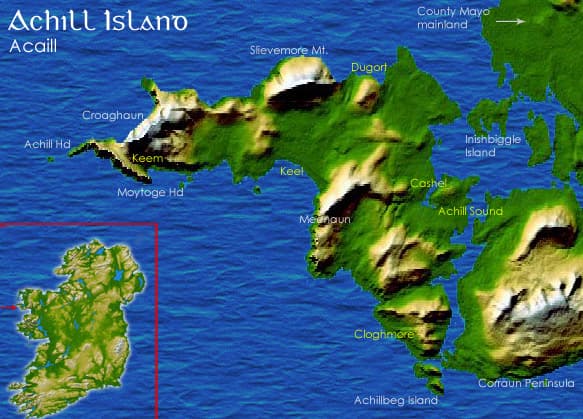
Achill
Achill Island is the largest of Ireland's islands, situated off the west coast of County Mayo. It is a historically rich area with evidence of settlement dating back to the Neolithic period, and it played a significant role in various historical events, including the O'Malley clan's maritime influence and the controversial Achill Mission.

Dingle
Dingle is a historic town located on the Atlantic coast of County Kerry in the southwest of Ireland. Known for its tourism, fishing, and agriculture, it is the only town on the Dingle Peninsula and sits within a Gaeltacht region. Historically a significant trading port and a departure point for pilgrims, Dingle's identity has also been shaped by debates over its official name, balancing its English heritage with its Irish language roots.