
Exmoor Zoo
England·Conservation Centre·20th Century
Exmoor Zoo is a conservation centre located near Bratton Fleming in Exmoor, England, specializing in the conservation of smaller animals and a wide variety of bird and reptile species. Developed from Exmoor Bird Gardens, it has grown significantly since its current owners took over in 1993, becoming a member of BIAZA and EAZA. The zoo plays a role in international breeding programs, particularly for rare and endangered species.
Key Facts
- ›Established in 1982 as Exmoor Bird Gardens, with the current ownership beginning in 1993.
- ›Located on a national park site in North Devon, England.
- ›Houses 175 species of animals, birds, and reptiles, with a focus on smaller animals and rare captive species.
- ›A member of BIAZA since 1995 and EAZA since 2018.
- ›Participates in international, European, and national animal breeding programmes.
- ›Notable for conservation work with tamarins, marmosets, long-nosed potoroos, and smaller carnivores.
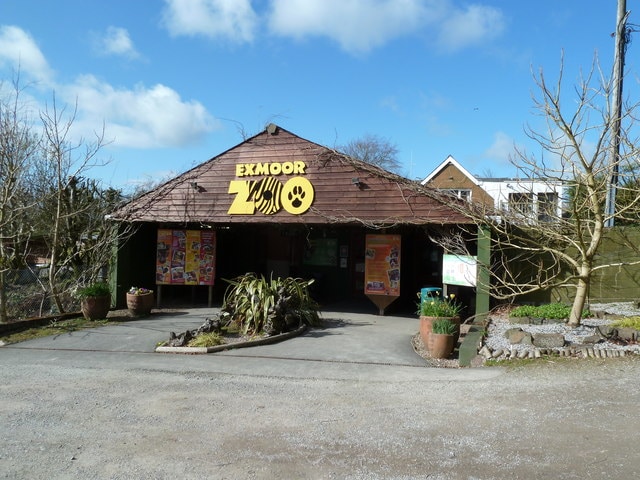
Exmoor Beast, African Café, Reptiles Area, Souvenirs Area, Cheetah Enclosure, Maned Wolf Enclosure, Howler Monkey Exhibit, Tortoise House
Malagasy Civets, Margays, New Guinea Singing Dogs, Rusty-Spotted Cats, Yellow-Throated Martens, Ebony, Zoysa
Tamarin and Marmoset Conservation, Long-Nosed Potoroo Conservation, Smaller Carnivore Conservation, International Breeding Programmes, European Breeding Programmes, National Breeding Programmes
About Exmoor Zoo
Exmoor Zoo is a conservation centre situated near Bratton Fleming within the Exmoor National Park in North Devon, England. It evolved from Exmoor Bird Gardens, which originally opened on a farm site in 1982. Following a change in ownership in 1993, the zoo underwent significant enlargement and development, with a progressive shift in focus towards the conservation of smaller animal species, alongside a broad spectrum of birds and reptiles.
Membership and Accreditation
The zoo has been an active member of BIAZA, the British and Irish Association of Zoos and Aquariums, since 1995. In 2018, Exmoor Zoo further expanded its affiliations by becoming a member of EAZA, the European Association of Zoos and Aquariums, underscoring its commitment to international zoological standards and cooperation.
History and Development
Exmoor Bird Gardens initially occupied a 7-acre site, expanding to 12 acres by 1985. After facing financial difficulties and receivership in 1992, new ownership in 1993 led to extensive refurbishments and the introduction of a wider range of animal species. The zoo experienced name changes, moving from Exmoor Animal & Bird Gardens in 1995 to Exmoor Zoological Park in 1997, eventually being known simply as Exmoor Zoo. Construction projects in the 2000s, including the African Café, reptile areas, and specialized enclosures for cheetahs and maned wolves, contributed to its growth and visitor experience.
Animal Collection and Conservation Focus
Exmoor Zoo cares for approximately 175 species of animals, birds, and reptiles. It exhibits many rare captive species, such as Malagasy civets, margays, New Guinea singing dogs, and rusty-spotted cats. The zoo's mammal collection includes larger residents like cheetahs and wolves, as well as numerous smaller carnivore species. Notable avian residents and reptiles are also part of its diverse collection.
Conservation Efforts
The zoo actively participates in international, European, and national animal breeding programmes, collaborating with other institutions globally to ensure the survival of various species. Exmoor Zoo has been particularly recognized for its conservation work with tamarins and marmosets, and more recently, with long-nosed potoroos and smaller carnivore species. The zoo has also been targeted by thieves, highlighting the vulnerability of endangered animals and prompting security enhancements, such as the acquisition of noisy howler monkeys.
Notable Exhibits and Animals
One of Exmoor Zoo's distinctive attractions was the enclosure for the "Exmoor Beast," featuring a melanistic leopard. The zoo housed Ebony, a black panther, and later Zoysa, a male black panther, as part of its breeding initiatives. Other significant animals include a variety of monkeys, lemurs, kangaroos, tapirs, and numerous smaller carnivores. The bird collection features species like Abyssinian ground hornbills and shoebills, contributing to the zoo's extensive biodiversity.
Source: Wikipedia ↗
Frequently Asked Questions
When did Exmoor Zoo open?
Exmoor Zoo originated as Exmoor Bird Gardens and first opened its doors in 1982. The site has undergone significant development and expansion since the current owners took over in 1993.
What is Exmoor Zoo known for?
Exmoor Zoo is recognized for its conservation efforts, particularly with smaller animals, rare captive species, and a diverse collection of birds and reptiles. It is also noted for its participation in international breeding programs.
What types of animals can be found at Exmoor Zoo?
The zoo houses 175 species, including mammals like cheetahs, maned wolves, pumas, and a variety of smaller carnivores. Its bird collection features species such as shoebills and flamingos, and it also exhibits reptiles.
Does Exmoor Zoo focus on conservation?
Yes, Exmoor Zoo is a conservation centre that actively participates in international, European, and national animal breeding programmes. It has a particular focus on conserving rare and endangered species.
What is the 'Exmoor Beast' exhibit?
The 'Exmoor Beast' exhibit featured a melanistic leopard, also known as a black panther. The zoo housed a female named Ebony, who was one of the few available for breeding in the British Isles, and later a male named Zoysa.
Related Zoos
Beale Wildlife Park
Beale Wildlife Park is a non-profit charitable trust located in Berkshire, England, established on 350 acres by the River Thames. It offers a diverse range of attractions, including collections of exotic and farm animals, landscaped gardens, woodlands, and extensive children's play areas, making it a significant recreational and educational destination.

Birdland Park and Gardens
Birdland Park and Gardens, often simply called Birdland, is a wildlife park located in Bourton-on-the-Water, Gloucestershire, England. Established in 1957, it is home to approximately 500 birds across more than 150 aviaries and is particularly noted for housing the only king penguins in England, Wales, or Ireland. The park is a significant tourist attraction and plays a role in conservation efforts, including an international breeding program for the vulnerable golden conure.

Birmingham Wildlife Conservation Park
Birmingham Wildlife Conservation Park, formerly known as Birmingham Nature Centre and Birmingham Zoo, is a small zoological facility located on the edge of Cannon Hill Park in Birmingham, England. Managed by Birmingham City Council, the park is dedicated to scientific programs, including captive breeding of endangered species, and uses educational initiatives to raise awareness about biodiversity.