
Grodno Zoo
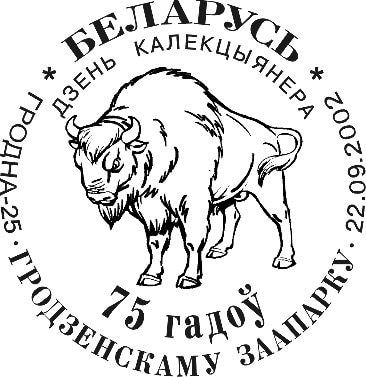
Grodno Zoo, located in Grodno, Belarus, is the country's first zoo, established in 1927. It was founded on the initiative of teacher Jan Kochanowski, who began with a botanical garden and introduced local fauna. Despite significant damage during World War II, the zoo was restored and reopened in 1946, later welcoming its first Asian elephant in 1955 and becoming a member of EARAZA in 2009.
Key Facts
- ›Founded in 1927 as the first zoo in Belarus.
- ›Initiated by high school teacher Jan Kochanowski.
- ›Began with 17 species of local fauna.
- ›Suffered significant destruction during World War II.
- ›Reopened on September 28, 1946.
- ›Became a member of EARAZA in 2009.
Asian Elephant
About Grodno Zoo
Grodno Zoo is a zoological institution located in Grodno, Belarus. It holds the distinction of being the first zoo established in what would become Belarus, with its founding in 1927.
Founding and Early Years
The establishment of Grodno Zoo was initiated by Jan Kochanowski, a local high school teacher. Kochanowski, along with his students, first created a botanical garden in the city park in 1926. This garden served as the foundation for the zoo, receiving its initial animal collection in 1927. At its inception, the zoological department featured 17 species of native fauna. By 1936, the zoo had grown to house approximately 400 exhibits.
World War II and Restoration
The zoo experienced significant devastation during the Second World War, with very little remaining by 1944. Recognizing its importance, the Executive Committee of Grodno passed a resolution to restore the zoo on December 12, 1944. The zoo successfully reopened its doors to the public on September 28, 1946.
Later Developments
Significant additions to the zoo's collection occurred over time. On August 30, 1955, the first Asian elephant arrived at Grodno Zoo, having been brought from Vietnam. In 2009, Grodno Zoo became a member of EARAZA (Eurasian Association of Zoos and Aquariums), indicating its participation in regional zoological networks.
Founder's Sacrifice
Jan Kochanowski, the founder of Grodno Zoo, was born in Grodno in 1894. His commitment extended beyond the zoo's establishment, as he demonstrated profound personal sacrifice. In 1942, during the German occupation, Kochanowski was arrested by the Gestapo. When facing the threat of execution for hostages, he voluntarily offered to take the place of a teacher named Józef Wiewiórski, who had a large family, as Kochanowski himself was childless. Jan Kochanowski was subsequently shot dead in the autumn of 1942.
Source: Wikipedia ↗
Frequently Asked Questions
When was Grodno Zoo founded?
Grodno Zoo was founded in 1927. It began as a botanical garden established by Jan Kochanowski and his pupils in 1926, which then received its first animals the following year.
Who founded Grodno Zoo?
The zoo was founded on the initiative of Jan Kochanowski, a high school teacher in Grodno. He established a botanical garden that later evolved into the zoological department.
What happened to Grodno Zoo during World War II?
The zoo was largely destroyed during the Second World War. Little remained by 1944, but efforts began to restore it soon after.
When did Grodno Zoo reopen after World War II?
The zoo reopened its gates on September 28, 1946, following a decision by the Executive Committee of Grodno to restore it in December 1944.
What notable animals has Grodno Zoo housed?
The zoo welcomed its first Asian elephant on August 30, 1955, which was brought from Vietnam.
Related Zoos

Minsk Zoo
Minsk Zoo is a municipal zoological garden located in the southeastern part of Minsk, Belarus, near the Svislach River. Established in 1984 by nature enthusiasts from the Minsk Automobile Plant, it has grown to house a diverse collection of animals and is a member of the Eurasian Regional Association of Zoos and Aquariums.
Al Ain Zoo
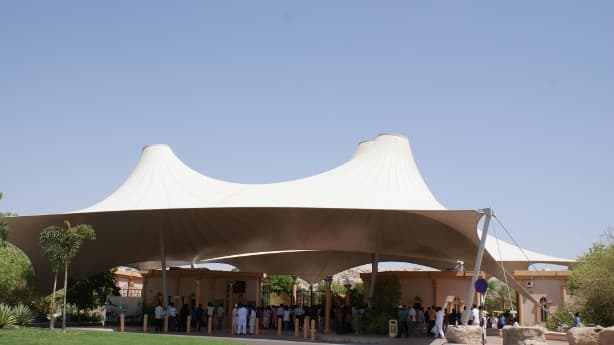
Al Ain Zoo, also known as Al Ain Wildlife Park & Resort, is a 400-hectare zoological park situated in Al Ain, United Arab Emirates. Founded in 1969, it plays a role in wildlife conservation, housing over 4,000 animals, including endangered species and those extinct in the wild.

Amirthi Zoological Park
Amirthi Zoological Park is a zoo located in the Vellore district of Tamil Nadu, India, established in 1967. It is situated about 25 kilometers from Vellore city and spans 25 hectares, featuring natural waterfalls. The park is part of the larger Amirthi Forest, which is recognized as the biggest forest in Tamil Nadu and is divided into a tourist area and a wildlife sanctuary.