
Hisar Deer Park
India·Deer Park·20th century
The Deer Park, Hisar, located in Haryana, India, is a significant wildlife conservation area established in 1985. It serves as a breeding ground for various deer species and functions as a wildlife rescue clinic, treating and releasing injured animals back into the wild. The park also aims to increase public awareness and understanding of conservation through education.
Key Facts
- ›Established in 1985 by the Forests Department, Government of Haryana.
- ›Spans 19 hectares (48 acres), including a 6-acre plot for fodder production.
- ›Houses 20 Blackbuck, 16 Chital (spotted deer), and 6 Sambar.
- ›Functions as a wildlife rescue clinic for injured wild animals and birds.
- ›Initiating breeding programs for the Great Indian Bustard and butterflies/bees.
- ›Located on Hisar-Dhansu Road in Hisar city, Haryana, India.
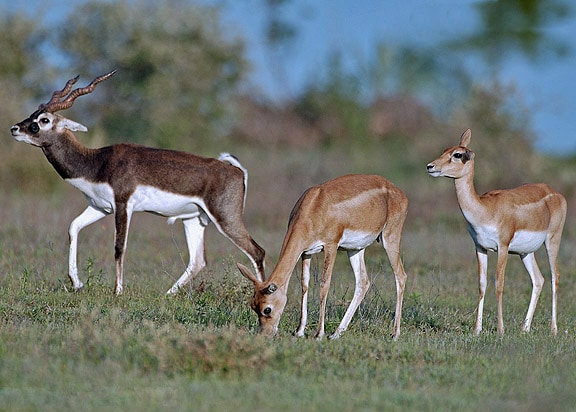
Blackbuck, Chital, Sambar, Great Indian Bustard
- Great Indian Bustard breeding program
- Butterfly and Xylocopa violacea (carpenter bee) breeding program
About Hisar Deer Park
The Deer Park in Hisar, located in the state of Haryana, India, is a significant wildlife sanctuary and conservation center established in 1985 by the Forests Department of the Government of Haryana. This park serves a dual purpose: it acts as a breeding ground for several species of deer and also functions as a vital wildlife rescue clinic.
Role and Species
The park is home to a population of deer, including Blackbuck, Chital (spotted deer), and Sambar, which are maintained for breeding programs. In addition to its resident deer population, the Deer Park also functions as a wildlife rescue clinic. Injured wild animals and birds brought to the facility by the public receive treatment, with the ultimate goal of their rehabilitation and release back into the wild. The park aims to foster public awareness and understanding of wildlife conservation issues through educational initiatives.
Conservation Initiatives
In recent years, the park has expanded its conservation focus. As of 2021, plans were underway to initiate breeding programs for the critically endangered Great Indian Bustard, a species that was once prevalent in the region. Furthermore, a breeding program for butterflies and the Xylocopa violacea (carpenter bee) was also announced, focusing on cultivating specific plants, shrubs, and flowers essential for sustaining their life cycles. These programs underscore the park's commitment to biodiversity preservation.
Location and Facilities
The Deer Park is situated on Hisar-Dhansu Road within Hisar city. It covers an area of 19 hectares (48 acres), which includes a dedicated 6-acre plot used for producing fodder for the deer. The park features a landscaped area with seating and a fountain, suitable for picnics, alongside an administrative block and the wildlife treatment clinic. While visitor facilities are present, there are ongoing demands for upgrades to amenities such as interpretation centers, toilets, and shaded areas, as well as ecological enhancements like wetland construction and improved soil management.
Source: Wikipedia ↗
Frequently Asked Questions
When was the Deer Park, Hisar established?
The Deer Park, Hisar was established by the Forests Department of the Government of Haryana in 1985. It is recognized as the oldest among zoos and deer parks in the state of Haryana.
What species of deer can be found at the park?
The park is home to several deer species for breeding purposes. These include 20 Blackbuck, 16 Chital (spotted deer), and 6 Sambar.
Does the park have any conservation programs?
Yes, the Deer Park, Hisar is involved in conservation efforts. In 2021, it was announced that breeding programs for the Great Indian Bustard and for butterflies and carpenter bees would be initiated at the park.
What is the size of the Deer Park, Hisar?
The Deer Park, Hisar has a total area of 19 hectares, which is equivalent to approximately 48 acres. This area includes a dedicated 6-acre plot specifically for producing fodder for the resident deer.
What other functions does the Deer Park serve?
Beyond its role as a deer breeding center, the park also operates as a wildlife rescue clinic. It provides treatment for injured wild animals and birds brought to the facility by the public, with the aim of releasing them back into their natural habitat upon recovery.
Related Zoos

Assam State Zoo-cum-Botanical Garden
The Assam State Zoo-cum-Botanical Garden, popularly known as Guwahati Zoo, is the largest zoological and botanical garden in the North East region of India. Established in 1957, it aims to house animals, birds, and reptiles, and has since expanded its collection and facilities, including a botanical garden and a museum. The zoo plays a role in conservation through captive breeding programs and has been a site for important national events.

Crocodile Breeding Centre
The Bhor Saidan Crocodile Breeding Centre is a facility in Haryana, India, dedicated to the captive breeding and conservation of the vulnerable Indian mugger crocodile. Established in 1982 as part of an international project, it plays a role in protecting a native species facing significant threats from habitat loss and other human-induced pressures.

Indira Gandhi Park
Indira Gandhi Zoological Park, located in Visakhapatnam, India, is the third largest zoo in the country. Named after former Prime Minister Indira Gandhi, it opened in 1977 and spans 625 acres, housing a diverse collection of native and exotic animals within the scenic Eastern Ghats.