
Isfahan Zoo
Isfahan Zoo, also known as Isfahan Wildlife Park or Soffeh Zoo, is a zoo located in the Mount Soffeh park in Isfahan, Iran. The facility has faced significant criticism for its animal welfare conditions, leading to its closure for a year in 2020 for repurposing as an animal nursing facility. Proposals have been made to close it permanently and develop a safari park to boost tourism revenue.
Key Facts
- ›Located in Mount Soffeh park, Isfahan, Iran.
- ›Run by the Isfahan Municipality.
- ›Housed approximately 318 rescue animals and 3 cloned animals from 36 species as of 1399 (2020-2021).
- ›Animals were often kept in small 2-meter cell spaces.
- ›Has been subject to significant criticism for animal cruelty.
- ›Closed for a year starting in 2020 due to COVID-19 and repurposed for animal nursing.

About Isfahan Zoo
Isfahan Zoo, officially known as Isfahan Wildlife Park (Persian: پارک آمورشی حیات وحش) and also referred to as Soffeh Zoo (Persian: باغ وحش صفه), is a zoological facility located within the Mount Soffeh park in Isfahan, Iran. Operated by the Isfahan Municipality, the zoo has been the subject of significant controversy due to documented issues concerning animal welfare and conditions.
Animal Population and Conditions
As of the year 1399 (corresponding to the Iranian calendar year, roughly 2020-2021), Isfahan Zoo housed approximately 318 rescue animals and 3 cloned animals, representing a total of 36 different species. Reports have highlighted that many of these animals were kept in confined spaces, often within cell-like enclosures measuring only 2 meters. The zoo has faced severe criticism for alleged animal cruelty, with instances of animals suffering from extreme heat due to poor air ventilation, as reported in August 2024.
Closures and Future Proposals
In response to the ongoing concerns and the broader impact of the COVID-19 pandemic, Isfahan Zoo was closed and repurposed as an animal nursing facility for a full year starting in 2020. The city council had previously attempted to close the zoo down in 2020. More recently, proposals have been put forth suggesting the permanent closure of the zoo and the development of a new safari park in the East Park of Isfahan. This initiative is intended to generate revenue for the city's tourism sector.
The zoo's operations are supervised by the department of environment, but it has been noted that the facility lacks adequate green space, further contributing to the criticisms regarding animal living conditions. The lack of environmental enrichment and the reported poor conditions have led to calls for reform and the consideration of alternative approaches to wildlife display and conservation in the region.
Source: Wikipedia ↗
Frequently Asked Questions
Where is Isfahan Zoo located?
Isfahan Zoo is situated within the Mount Soffeh park in District 5 of Isfahan, Iran. It is run by the Isfahan Municipality and overseen by the department of environment.
What animals were housed at Isfahan Zoo?
As of the year 1399 (approximately 2020-2021), the facility housed around 318 rescue animals and 3 cloned animals. These animals represented 36 different species.
Why has Isfahan Zoo faced criticism?
The zoo has been highly criticized for its animal cruelty conditions. Reports indicate that animals were often kept in cramped spaces, such as 2-meter cell spaces, and suffered from issues like inadequate ventilation leading to heat-related distress.
What is the current status of Isfahan Zoo?
The zoo was closed and repurposed for animal nursing for a full year starting in 2020 due to the COVID-19 pandemic. There have been proposals to close it down permanently and develop a safari park elsewhere in Isfahan to generate tourism revenue.
Does Isfahan Zoo have green space?
According to available information, the zoo does not have green space. This lack of adequate environmental enrichment has been a contributing factor to the criticism it has received.
Related Zoos

Tehran Zoological Garden
Tehran Zoological Garden, also known as Eram Zoo, is Iran's largest zoo, housing a diverse collection of animals from both domestic and international origins. Inaugurated in its current location in 1992, it has a history rooted in royal animal exhibitions dating back to the Qajar era.

Bird Garden of Isfahan
The Bird Garden of Isfahan is a zoological garden established in 1998 by the municipality of Isfahan. It serves as a sanctuary for a diverse collection of avian species, housing over 5,000 birds from 130 different species, many of which are native to Iran and other parts of the world.
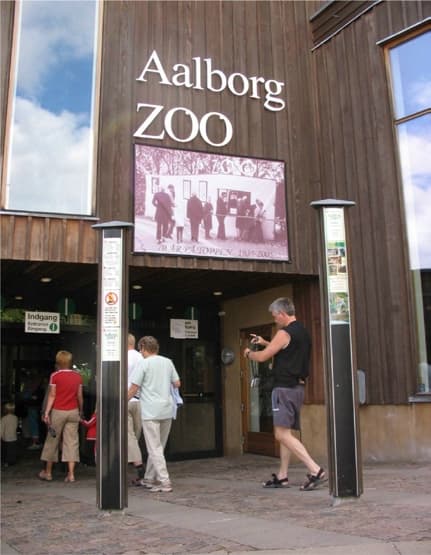
Aalborg Zoo
Aalborg Zoo is a zoological garden situated near the heart of Aalborg, Denmark, drawing approximately 375,000 visitors annually. It serves as a significant institution for animal conservation, actively participating in global breeding programs and environmental preservation projects, including supporting rainforest conservation in Ecuador.