
Tehran Zoological Garden
Tehran Zoological Garden, also known as Eram Zoo, is Iran's largest zoo, housing a diverse collection of animals from both domestic and international origins. Inaugurated in its current location in 1992, it has a history rooted in royal animal exhibitions dating back to the Qajar era.
Key Facts
- ›Located on the Tehran–Karaj Freeway in the Eram Amusement Park.
- ›Inaugurated in its current location in 1992.
- ›Covers an area of 11 acres (4.5 ha).
- ›Houses over 290 animals representing more than 120 species.
- ›Features a wide array of animals including lions, tigers, leopards, bears, primates, birds, reptiles, and marsupials.

Cats, Canids, Hyenas, Primates, Bears, Birds, Reptiles and Amphibians, Marsupials, Elephants
Persian Leopards, Siberian Tigers, Asiatic Lions, African Bush Elephant, Sri Lankan Elephant
- Persian leopard exchange with Russia for Siberian tigers re-population project
- Breeding program for Asiatic lions
About Tehran Zoological Garden
Tehran Zoological Garden, also referred to as Eram Zoo, stands as Iran's preeminent zoological institution, located along the Tehran–Karaj Freeway within the Eram Amusement Park. Established in its current expansive site in 1992, the zoo spans approximately 11 acres (4.5 hectares) and serves as a vital center for animal display and conservation, housing over 290 individuals across more than 120 species.
History and Evolution
The tradition of exhibiting animals in Iran has ancient roots, with early accounts detailing private menageries and public displays in cities like Isfahan and Tehran during the Safavid and Qajar eras. Notable historical figures such as Adam Olorius documented animal exhibitions in the 17th century, and Fath-Ali Shah Qajar maintained collections of various animals. The Qajar dynasty's engagement with modern zoological concepts, particularly inspired by European gardens, led to the establishment of an early zoo by Naser al-Din Shah Qajar. This initial zoological garden, located at Doshan Tappeh, featured a diverse collection of native Iranian wildlife including lions, tigers, leopards, and bears, alongside exotic species. The park underwent expansion over time, eventually relocating to its present site in 1992 for essential medical and renovation purposes.
Exhibits and Wildlife
Tehran Zoological Garden boasts a comprehensive collection that includes a wide spectrum of fauna, both indigenous to Iran and from across the globe. Its "Cats" exhibit is particularly noteworthy, featuring African and Asiatic lions, Amur and Bengal tigers, and the critically endangered Persian leopard. The zoo also houses canids, hyenas, primates such as chimpanzees and baboons, and Ursids like the brown bear. Avian life is well-represented with species like the crowned crane, peacock, and penguin, while the reptile and amphibian section includes pythons and the Iran Plateau short snout crocodile. Marsupials, rodents, fish, and hoofed animals like the Persian onager and Persian fallow deer further enrich the zoo's diverse offerings. The zoo also cares for both African bush elephants and Sri Lankan elephants.
Conservation Initiatives
The zoo actively participates in wildlife conservation efforts and breeding programs. A significant initiative involved an exchange with Russia's Sochi National Park, where Persian leopards were sent in return for Siberian tigers, with the aim of reintroducing these big cats into the wild. Tehran Zoological Garden has also been involved in efforts to secure and breed Asiatic lions, obtaining cubs from European zoos, including Bristol Zoo and Dublin Zoo, with the long-term goal of reintroducing them into their natural habitats. The zoo's engagement with programs like the European Endangered Species Program highlights its commitment to the preservation of endangered species.
Source: Wikipedia ↗
Frequently Asked Questions
Where is Tehran Zoological Garden located?
Tehran Zoological Garden is situated 4 km (2.5 miles) on the Tehran–Karaj Freeway, within the Eram Amusement Park in the Tehran province of Iran.
When was Tehran Zoological Garden established?
The zoo was inaugurated at its current location in 1992. However, its historical roots trace back to royal animal exhibitions during the Qajar era, with a zoo established by Naser al-Din Shah Qajar.
What is the size of Tehran Zoological Garden?
The zoo covers an area of 4.5 hectares, which is equivalent to 11 acres.
How many animals and species are at Tehran Zoological Garden?
Tehran Zoological Garden houses over 290 animals and features more than 120 different species.
What types of animals can be seen at the zoo?
Visitors can see a variety of animals, including African and Asiatic lions, tigers, Persian leopards, wolves, chimpanzees, brown bears, various birds like cranes and penguins, reptiles such as crocodiles and pythons, kangaroos, and elephants.
Does the zoo participate in conservation efforts?
Yes, Tehran Zoological Garden participates in conservation programs. In 2010, it was involved in an exchange of Persian leopards for Siberian tigers with Russia for re-population projects. The zoo also sought to obtain Asiatic lions from the European Endangered Species Program and successfully acquired lions from the UK and Ireland for breeding purposes.
Related Zoos

Isfahan Zoo
Isfahan Zoo, also known as Isfahan Wildlife Park or Soffeh Zoo, is a zoo located in the Mount Soffeh park in Isfahan, Iran. The facility has faced significant criticism for its animal welfare conditions, leading to its closure for a year in 2020 for repurposing as an animal nursing facility. Proposals have been made to close it permanently and develop a safari park to boost tourism revenue.

Bird Garden of Isfahan
The Bird Garden of Isfahan is a zoological garden established in 1998 by the municipality of Isfahan. It serves as a sanctuary for a diverse collection of avian species, housing over 5,000 birds from 130 different species, many of which are native to Iran and other parts of the world.
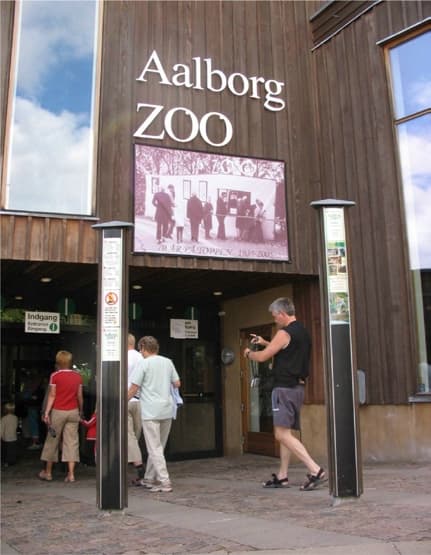
Aalborg Zoo
Aalborg Zoo is a zoological garden situated near the heart of Aalborg, Denmark, drawing approximately 375,000 visitors annually. It serves as a significant institution for animal conservation, actively participating in global breeding programs and environmental preservation projects, including supporting rainforest conservation in Ecuador.