
Lakeland Wildlife Oasis
England·Zoological Collection·20th century
Lakeland Wildlife Oasis is a zoological collection near Milnthorpe, Cumbria, England, with a distinct science and evolution theme. Operated by the registered charity Lakeland Trust for Natural Sciences since 2012, it aims to guide visitors through an evolutionary journey from marine life to mammals. The zoo is notable for its conservation efforts, particularly with endangered species like snow leopards.
Key Facts
- ›The zoo covers 3 acres (1.2 ha).
- ›It opened to the public on April 14, 1992.
- ›It houses over 100 species.
- ›It features a butterfly hall, aquarium, and tropical hall.
- ›It was the site of the first successful snow leopard breeding in Northern England in 2014.
- ›It is run by the registered charity Lakeland Trust for Natural Sciences.

- Butterfly Hall
- Aquarium
- Tropical Hall
- Snow Leopard Enclosure With Walk-Through Tunnel
Snow Leopards, Fossa, Rodrigues Fruit Bats, Azara's Agoutis
Snow Leopard Breeding Program, Fossa Breeding Program, Rodrigues Fruit Bat Breeding Program, Primate Breeding Program, Mountain Marmoset Conservation Programme, Money For Madagascar, Snow Leopard Trust
About Lakeland Wildlife Oasis
What is Lakeland Wildlife Oasis?
Lakeland Wildlife Oasis is a zoological collection situated near Milnthorpe in Cumbria, England, distinguished by its science and evolution theme. Since April 2012, it has been managed by the registered charity Lakeland Trust for Natural Sciences. The center is designed to immerse visitors in an evolutionary journey, starting with marine life and progressing through amphibians, reptiles, birds, and finally mammals.
History and Development
The zoo first opened its doors to the public on April 14, 1992, operating as a combined "part-zoo, part-museum." Its initial offerings included a butterfly hall, aquarium, and tropical hall, housing a variety of species such as common marmosets, brown rats, fish, amphibians, reptiles, and invertebrates. Over the years, the zoo expanded its facilities. A significant development occurred in 2011 with the acquisition of its first snow leopard, Pavan, for whom a unique enclosure featuring a perspex walk-through tunnel was constructed, reportedly the first of its kind in the UK for a big cat exhibit. Pavan was later joined by a female named Tara, and their offspring, Loki and Luna, born in 2014, marked the first successful snow leopard breeding recorded in the North of England.
In 2015, Lakeland Wildlife Oasis faced a severe challenge when it was hit by extensive flooding during Storm Desmond, forcing its closure to the public. While many animals managed to reach higher ground, others, including pheasants and Azara's agoutis, were safely relocated. The lack of visitor revenue prompted the zoo to launch a crowdfunding campaign to raise funds for repairs and to enhance the flood-proofing of its animal enclosures.
Exhibits and Visitor Experience
The 3-acre (1.2 ha) center is organized into distinct sections, including a butterfly house, a tropical hall, an aquarium, and various outdoor enclosures. The layout is intentionally crafted to guide visitors through an evolutionary timeline. The zoo hosts "animal interactives" and offers "Keeper for the Day" experiences with some of its animals for an additional fee, providing a more hands-on engagement for visitors.
The main entrance provides access to a gift shop and the Wild Café, which is accessible to both visitors with zoo tickets and those without. The zoo's collection features over 100 species, including notable animals like fossa, snow leopards, fruit bats, meerkats, armadillos, red squirrels, lemurs, marmosets, roul-rouls, and black curassows.
Conservation Efforts
Lakeland Wildlife Oasis plays an active role in wildlife conservation. As a member of BIAZA (British and Irish Association of Zoos and Aquariums) and through collaborations with European zoos, the center participates in breeding programs for several endangered species. These include snow leopards, fossa, Rodrigues fruit bats, and various primates. Beyond its breeding initiatives, the center also contributes to overseas conservation projects, such as the Mountain Marmoset Conservation Programme, Money for Madagascar, and the Snow Leopard Trust, underscoring its commitment to global wildlife preservation.
Source: Wikipedia ↗
Frequently Asked Questions
What is Lakeland Wildlife Oasis?
Lakeland Wildlife Oasis is a zoological collection located near Milnthorpe, Cumbria, England, with a science and evolution theme. It offers visitors an evolutionary journey through its various exhibits, from marine life to mammals.
When did Lakeland Wildlife Oasis open?
The zoo first opened to the public on April 14, 1992, initially as a combined zoo and museum.
What is the size of Lakeland Wildlife Oasis?
The center covers an area of 3 acres (1.2 ha) and is divided into several sections, including indoor halls and outdoor enclosures.
What notable animals are at Lakeland Wildlife Oasis?
The zoo displays over 100 species, including fossa, snow leopards, fruit bats, meerkats, armadillos, red squirrels, lemurs, and marmosets. It is particularly known for its snow leopard breeding program.
Does Lakeland Wildlife Oasis participate in conservation programs?
Yes, as a member of BIAZA and through cooperation with European zoos, it participates in breeding programs for endangered species such as snow leopards, fossa, Rodrigues fruit bats, and primates. It also supports overseas conservation projects.
What happened during Storm Desmond at the zoo?
In 2015, the zoo was severely affected by flooding during Storm Desmond. While many animals were moved to safety, the event necessitated crowdfunding for repairs and flood-proofing upgrades.
Related Zoos
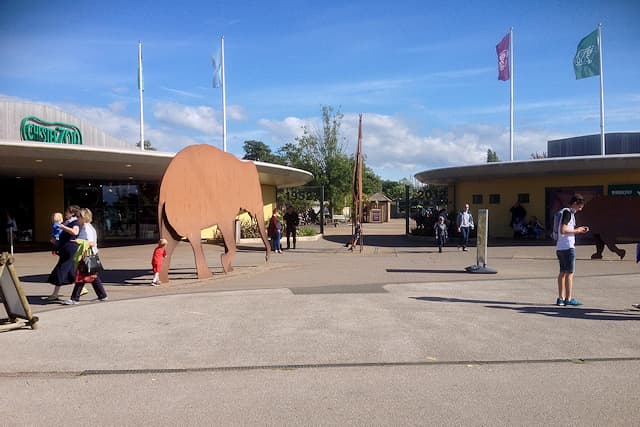
Chester Zoo
Chester Zoo, operated by the North of England Zoological Society, is a prominent wildlife attraction in Upton-by-Chester, England, and is recognized as one of the UK's largest zoos. It is a registered charity that receives no government funding and is celebrated for its extensive animal collection and significant conservation efforts, making it a highly visited and esteemed global zoo.

Whipsnade Zoo
Whipsnade Zoo, formerly known as ZSL Whipsnade Zoo and Whipsnade Wild Animal Park, is a large wildlife conservation park located in Whipsnade, near Dunstable, England. Owned by the Zoological Society of London (ZSL), it is the UK's largest zoo and one of Europe's largest wildlife conservation parks, dedicated to the worldwide conservation of animals and their habitats.

The Deep
The Deep is a public aquarium and a landmark centre for marine research located in Kingston upon Hull, England. It opened in March 2002 and is dedicated to increasing public enjoyment and understanding of the world's oceans through a combination of interactive displays and living exhibits. The aquarium is a charitable organization funded by membership, ticket, and retail sales, with a portion of its financing coming from the UK National Lottery's Millennium Commission project.