
Lisbon Zoo
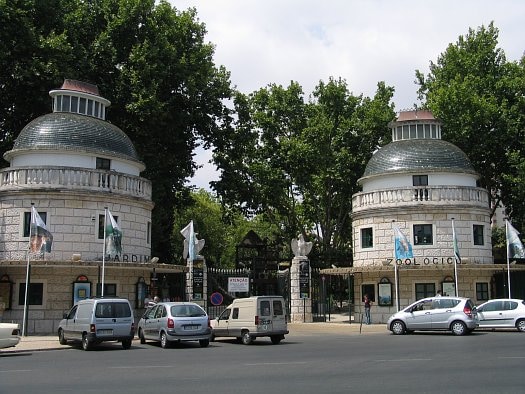
Lisbon Zoo, officially known as Jardim Zoologico de Lisboa, is a zoological garden established in 1884 in Lisbon, Portugal. It has evolved significantly since its founding, relocating twice to its current expansive site, and plays a crucial role in wildlife conservation, research, education, and recreation, attracting a large number of visitors annually.
Key Facts
- ›Founded in 1884.
- ›Moved to its current location at Quinta das Laranjeiras in 1905.
- ›Houses approximately 2,000 animals representing over 300 species.
- ›Attracts about 800,000 visitors per year.
- ›Mission includes conservation, breeding of endangered species, scientific research, and education.
- ›Features a dolphinarium with seven dolphins.
Dolphinarium
Dolphins
- Conservation and Breeding of Endangered Species
About Lisbon Zoo
Lisbon Zoo, officially known as Jardim Zoologico de Lisboa, is a prominent zoological garden situated in Lisbon, Portugal. Established in 1884, the zoo has a history marked by evolution and relocation, eventually settling into its current, expansive grounds at Quinta das Laranjeiras in Sete Rios in 1905. It was originally conceived with the aim of displaying exotic flora and fauna from around the world, a concept that gained traction through the efforts of individuals like Dr. Van Der Laan, Dr. Sousa Martins, and May Figueira.
History and Development
The genesis of Lisbon Zoo can be traced back to 1882, with the press circulating rumors of its potential creation. At a time when the Iberian Peninsula lacked a dedicated zoological garden responsible for showcasing global biodiversity, the founders sought to emulate successful European models. Their research involved extensive travel to zoos in various European capitals to gather essential information.
Securing financing was a significant undertaking, enlisting the support of figures such as civil engineer Lino Bento de Sousa, the 2nd Baron of Kessler Frederico Luís Hermano, and D. Fernando II. Following extensive preparation and financial arrangements, a deed for the zoo was finalized on September 5, 1883, and construction commenced. The zoo officially opened to the public on May 28, 1884, with an initial collection of 1,127 animals, some of which were donations from the Portuguese royal family and other dignitaries.
Early Years and Relocations
The zoo's inauguration was met with public enthusiasm, attracting 170,000 visitors in its first year. However, subsequent years saw a decline in visitor numbers due to various challenges, including adverse weather. To address this, the zoo introduced paid boat trips on its lake, a successful initiative that helped stabilize its revenue. A severe winter in 1892 caused damage to the facilities, and the passing of two park owners in the same year led to the heirs being unable to continue operations at the original site.
In 1894, the zoo relocated to the lands of Palhavã. This new location differed significantly from the previous site, which the public had grown accustomed to. To manage its finances, the zoo began selling and exporting surplus animals during this period, with the National Navigation Company facilitating transportation and the introduction of new species. The zoo's accessibility was further enhanced in 1902 with the introduction of a new tram line that included a stop at the zoo, contributing to an increase in visitor numbers.
The Zoo in the 20th Century and Beyond
The lease for the Palhavã land concluded in 1905, prompting the move of zoo equipment to its permanent home at Quinta Das Laranjeiras. In recognition of its growing importance, the Lisbon Zoo administration commissioned architect Raul Lino in 1912 to further develop its gardens and animal facilities.
Current Operations and Mission
Today, Lisbon Zoo is home to approximately 2,000 animals spanning over 300 species, including mammals, birds, reptiles, and amphibians. The zoo attracts around 800,000 visitors annually. Its core mission is centered on the conservation and breeding of endangered species, complemented by scientific research, and educational and recreational programs. The zoo also features a dolphinarium, which houses seven dolphins.
Source: Wikipedia ↗
Frequently Asked Questions
When was Lisbon Zoo founded?
Lisbon Zoo was founded on May 28, 1884. The idea for its creation originated in 1882, with significant preparation and financing occurring in the years leading up to its opening.
Where is Lisbon Zoo located?
Lisbon Zoo is located at Quinta das Laranjeiras in Sete Rios, Lisbon, Portugal. It moved to this site in 1905 after previously being situated in São Sebastião da Pedreira and Palhavã.
How many animals and species are at Lisbon Zoo?
The zoo is home to approximately 2,000 animals, which are represented across more than 300 different species. This includes a variety of mammals, birds, reptiles, and amphibians.
What is the mission of Lisbon Zoo?
The mission of Lisbon Zoo encompasses the conservation and breeding of endangered species, alongside conducting scientific research and providing educational and recreational activities for the public.
Has Lisbon Zoo always been in its current location?
No, Lisbon Zoo has relocated twice. It was originally founded in the park of São Sebastião da Pedreira, moved to Palhavã in 1894, and finally settled at its current location in Sete Rios in 1905.
Related Zoos

Arignar Anna Zoological Park
Arignar Anna Zoological Park, also known as Vandalur Zoo, is a significant zoological garden located in Chennai, India. Established in 1855, it is one of South Asia's largest zoos, spanning over 600 hectares and housing a diverse collection of animals. The park plays a crucial role in wildlife conservation, education, and research, serving as a captive breeding center for endangered species.

Sakkarbaug Zoological Garden
Sakkarbaug Zoological Garden, established in 1863, is a significant zoological park located in Junagadh, Gujarat, India. It plays a crucial role in the captive breeding program for the critically endangered Asiatic lion, providing purebred individuals for conservation efforts both domestically and internationally. The zoo also houses a diverse collection of mammals, birds, and reptiles, and features a natural history museum.

Woodland Park Zoo
Woodland Park Zoo is a prominent zoological garden and wildlife conservation organization situated in Seattle, Washington. Recognized for its innovative landscape immersion exhibits, the zoo aims to immerse both animals and visitors in naturalistic habitats. It is a significant educational resource and a recipient of numerous awards for its exhibit design and conservation efforts.