
Living Desert Zoo and Gardens
The Living Desert Zoo and Gardens is a non-profit zoo and desert botanical garden located in Palm Desert, California. Spanning 1,200 acres, with 80 developed for exhibits, it houses over 500 animals from more than 150 species and serves as a significant center for desert conservation and education. The institution is recognized for its extensive plant collections and participation in species reintroduction programs.
Key Facts
- ›Established in 1970 as a wilderness preserve.
- ›Covers 1,200 acres, with 80 acres developed for zoo and gardens.
- ›Home to over 500 animals representing more than 150 species.
- ›Attracts over 500,000 visitors annually.
- ›Operates as a non-profit organization and is accredited by the Association of Zoos and Aquariums (AZA).
- ›Features a large LGB model railroad layout with over 3,100 feet of track.
African Safari, Wilds of North America, Australian Adventures, Amphibians On the Edge, Endangered Species Carousel, Peninsular Pronghorn Exhibit, Monarch of the Desert, Rhino Savanna
Peninsular Bighorn Sheep, Arabian Oryx, Kit Fox, Rhino Gazelles, Mountain Lions, Bobcats, Badgers, Meerkats, Cheetahs, Warthogs, Striped Hyenas, Giraffes, Ostriches, Jaguars, Bennett's Wallaby, Yellow-Footed Rock Wallaby, Kookaburra
Peninsular Bighorn Sheep Reintroduction, Arabian Oryx Reintroduction
About Living Desert Zoo and Gardens
The Living Desert Zoo and Gardens, previously known as the Living Desert Museum, is a distinguished non-profit zoo and desert botanical garden situated in Palm Desert, California, within the Colorado Desert. Established in 1970 as a wilderness preserve, it has since evolved into a significant institution dedicated to the study, conservation, and exhibition of desert flora and fauna.
History and Development
Originally founded on 360 acres by trustees of the Palm Springs Desert Museum, the preserve began with a focus on showcasing the unique plant life of the region. By the mid-1970s, it also housed a small collection of native animals. Over the subsequent decades, the facility experienced considerable growth, expanding its acreage to a total of 1,200 acres, with 80 acres meticulously developed into distinct zoo and garden areas. This expansion facilitated the introduction of numerous new animal species and the construction of specialized habitats and gardens.
Animal Collection and Exhibits
Today, the Living Desert Zoo and Gardens is home to over 500 animals, representing more than 150 species. The zoo is structured into three main sections divided by continent: African Safari, Wilds of North America, and Australian Adventures. These areas are designed to mimic natural desert environments, providing immersive experiences for visitors. Notable exhibits include the 'Amphibians on the Edge,' the 'Peninsular Pronghorn Exhibit,' the 'Monarch of the Desert' which features jaguars, and the recently opened 'Rhino Savanna.'
Botanical Gardens and Conservation Focus
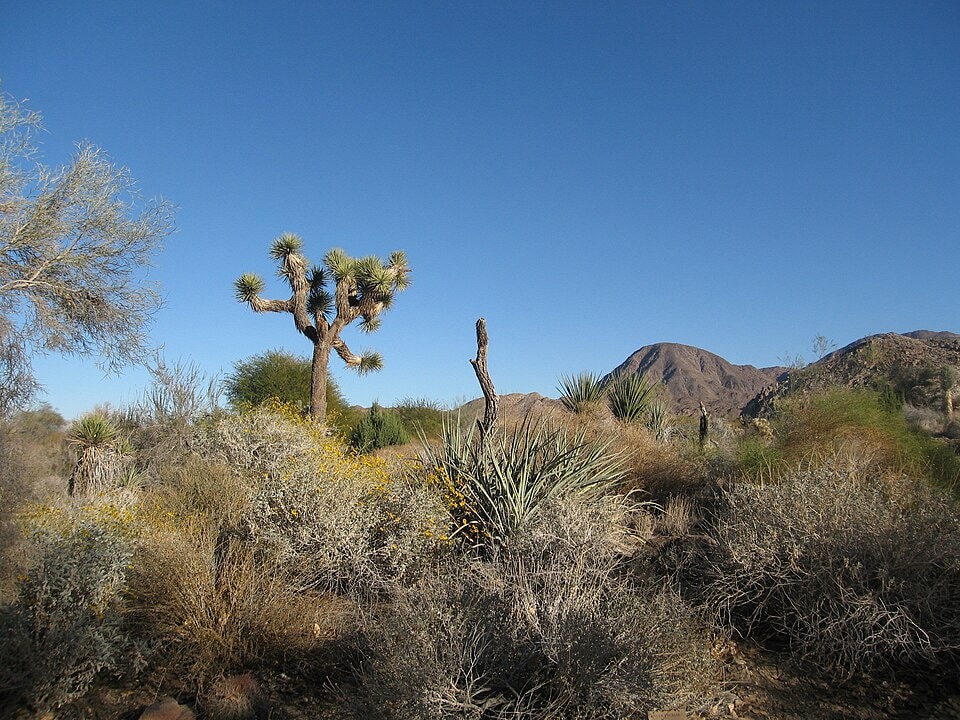
A significant aspect of the Living Desert is its extensive collection of desert botanical gardens. These gardens meticulously recreate various North American desert ecosystems, including the Mojave, Chihuahuan, Sonoran, and Colorado Deserts, featuring a wide array of native plant species. Specialized gardens, such as the Agave Garden, Aloe Garden, and East African Garden, further highlight global desert plant diversity. The institution is a member of the Association of Zoos and Aquariums (AZA) and the World Association of Zoos and Aquariums (WAZA), actively participating in species reintroduction programs, notably for the peninsular bighorn sheep and Arabian oryx, underscoring its commitment to conservation efforts.
Other Attractions
Beyond its zoological and botanical collections, the Living Desert Zoo and Gardens features other unique attractions, including a substantial LGB model railroad layout. This extensive model train system, managed by volunteers, adds a distinct charm to the visitor experience. The zoo receives over 500,000 visitors annually, serving as a key educational and recreational resource for the region.
Source: Wikipedia ↗
Frequently Asked Questions
What is the Living Desert Zoo and Gardens?
The Living Desert Zoo and Gardens is a non-profit zoo and desert botanical garden situated in Palm Desert, California. It is dedicated to conservation, education, and showcasing desert ecosystems and their inhabitants.
How large is the Living Desert Zoo and Gardens?
The institution is set on 1,200 acres of land, with 80 acres specifically developed for the zoo and botanical gardens. This extensive area provides ample space for its diverse animal and plant collections.
What kind of animals can be found at the Living Desert Zoo and Gardens?
The zoo is home to over 500 animals, representing more than 150 different species. These animals are housed in habitats divided by continent, including African Safari and Wilds of North America sections.
Does the Living Desert Zoo and Gardens focus on conservation?
Yes, the zoo has a strong focus on conservation and participates in species reintroduction programs. Notable efforts include the peninsular bighorn sheep reintroduction and returning Arabian oryx to Oman.
What are some notable features of the Living Desert Zoo and Gardens?
Beyond its animal exhibits, the Living Desert Zoo and Gardens boasts extensive desert botanical gardens, featuring re-creations of various desert plant communities. It also has a notable LGB model railroad layout.
When was the Living Desert Zoo and Gardens founded?
The gardens were originally established in 1970 as a wilderness preserve by trustees of the Palm Springs Desert Museum. The zoo and gardens as they are known today developed from this initial preserve.
Related Zoos

Zoo and Botanical Garden of Branféré
The Zoo and Botanical Garden of Branféré is a 35-hectare zoological park and botanical garden located in Le Guerno, Morbihan, Brittany, France. Originally a private estate, it was transformed into an "animal paradise" where exotic animals roam freely, opening to the public in 1965 and later bequeathed to the Fondation de France. It now houses nearly 1,000 animals from around 150 species within a historic botanical garden setting.

Pairi Daiza
Pairi Daiza is a privately owned zoo and botanical garden located in Brugelette, Hainaut, Belgium. Situated on the grounds of a former Cistercian abbey, it is recognized for its extensive themed "worlds" that recreate diverse natural habitats and cultural landscapes, housing over 7,000 animals. The park's name derives from an Avestan term meaning "paradise," reflecting its ambition to offer an immersive experience for visitors.

Saigon Zoo and Botanical Gardens
The Saigon Zoo and Botanical Gardens, also known as The Zoo, is Vietnam's largest zoological and botanical institution. Established in 1864 and opened to the public in 1869, it is one of the world's oldest continuously operating zoos. It serves as a vital center for animal and plant conservation, education, and public recreation in Ho Chi Minh City.