
Saigon Zoo and Botanical Gardens
The Saigon Zoo and Botanical Gardens, also known as The Zoo, is Vietnam's largest zoological and botanical institution. Established in 1864 and opened to the public in 1869, it is one of the world's oldest continuously operating zoos. It serves as a vital center for animal and plant conservation, education, and public recreation in Ho Chi Minh City.
Key Facts
- ›Founded in 1864 and opened to the public in 1869.
- ›Located in District 1, Ho Chi Minh City, Vietnam.
- ›Houses approximately 590 animals of 125 species.
- ›Features over 1,830 trees and plants of 260 species.
- ›Includes the Museum of Vietnamese History and a temple to the Hung Kings within its grounds.
- ›Attracts over two million visitors annually.

Orchid Garden, Amusement Park, Reptile House, Crocodile Garden, Herbivore Area, Small Carnivores Exhibit, Lotus Island
White Bengal Tigers, Clouded Leopards, African Lions, Gibbons, Orangutan, Vietnamese Crested Argus Pheasants
- Captive Breeding Programs For Endangered Species
- Conservation Education Programs For Students
About Saigon Zoo and Botanical Gardens
The Saigon Zoo and Botanical Gardens, known in Vietnamese as Thảo Cầm Viên Sài Gòn and formerly as Jardin botanique et zoologique de Saïgon, is Vietnam's premier zoological and botanical institution. It holds the distinction of being one of the world's oldest continuously operating zoos, having been commissioned in 1864 and opened to the public in 1869. Situated in the heart of Ho Chi Minh City's District 1, it spans approximately 49 acres and plays a crucial role in wildlife conservation, public education, and recreation.
History and Development
The establishment of the zoo was initiated by Admiral Pierre-Paul de La Grandière in March 1864, with construction commencing on land northeast of the Thị Nghè Channel. By the end of 1865, the zoo occupied 20 hectares (49 acres) along the southern bank of the channel. Over the decades, the Saigon Zoo and Botanical Gardens has undergone significant development and renovations. Key milestones include the construction of a bridge in 1927 to connect its sections, improvements to facilities in the late 20th century, and its recognition as a member of the South East Asian Zoos Association in 1990. The zoo was renamed Thảo Cầm Viên Sài Gòn in 1956 and has seen expansions and infrastructure upgrades, including a new waterwork system and fencing, with a dedicated Fauna and Flora Museum opening in 2017.
Features and Collections
The Saigon Zoo and Botanical Gardens is home to a substantial collection of flora and fauna, comprising approximately 590 animals representing 125 species and over 1,830 trees and plants across 260 species. Among its botanical highlights are a dedicated orchid garden, a diverse collection of cacti, and numerous ornamental plants, some of which are rare and have been imported from continents like Africa and America. The zoo's animal collection features a variety of mammals, reptiles, and birds, including iconic species such as white Bengal tigers, giraffes, African lions, and various primates. Notable exotic species that have been housed include hippopotamuses and jaguars.
On-site Attractions
Beyond its zoological and botanical collections, the Saigon Zoo and Botanical Gardens hosts several important cultural and recreational sites. Within its expansive grounds are the Museum of Vietnamese History, which houses an extensive collection of around 25,000 artifacts detailing the history, culture, and ethnography of South Vietnam. Also present is the Temple of Hùng King, originally erected as a memorial to Indochinese soldiers who perished during World War I. The zoo is further divided into distinct areas such as animal and plant conservation zones, an orchid garden, and an amusement park, contributing to its multifaceted appeal.
Conservation and Education
A core mission of the Saigon Zoo and Botanical Gardens is public education and the protection of endangered species. The institution actively participates in captive breeding programs aimed at replenishing wild populations. Notably, it is recognized as the only zoo globally to have successfully bred Vietnamese crested argus pheasants in captivity. Furthermore, its conservation education department has developed programs to inform the public about wildlife protection, with thousands of students visiting annually for lectures and films focused on conservation efforts. The zoo also serves as an important site for studying the fauna and flora of Southeast Asia.
Source: Wikipedia ↗
Frequently Asked Questions
When was the Saigon Zoo and Botanical Gardens established?
The Saigon Zoo and Botanical Gardens was commissioned in 1864 and opened to the public in 1869. This makes it one of the world's oldest continuously operating zoos.
Where is the Saigon Zoo and Botanical Gardens located?
It is situated on Nguyen Binh Khiem Street in District 1, Ho Chi Minh City, Vietnam. The grounds are located northeast of the Thị Nghè Channel near the Saigon River mouth.
What kind of animals can be found at the zoo?
The zoo is home to a diverse range of mammals, reptiles, and birds, including species like monkeys, giraffes, white Bengal tigers, clouded leopards, African lions, gibbons, turtles, and snakes. It also houses exotic species such as hippopotamuses and jaguars.
What are the notable features of the botanical gardens?
The botanical gardens contain many rare and valuable plant species, some not native to Vietnam, including various cacti, ferns, and ornamental plants. It features an orchid garden and showcases species imported from Africa and America.
Does the zoo have any historical buildings or museums?
Yes, within the grounds are two noteworthy buildings: a temple to the Hung Kings, originally a monument to fallen soldiers, and the Museum of Vietnamese History, which displays approximately 25,000 artifacts related to Vietnam's history and culture.
What is the conservation focus of the Saigon Zoo and Botanical Gardens?
The zoo's primary purpose includes educating the public and protecting endangered animals and plants. They participate in captive breeding programs with the goal of replenishing wild populations and have successfully bred Vietnamese crested argus pheasants in captivity.
Related Zoos
Living Desert Zoo and Gardens
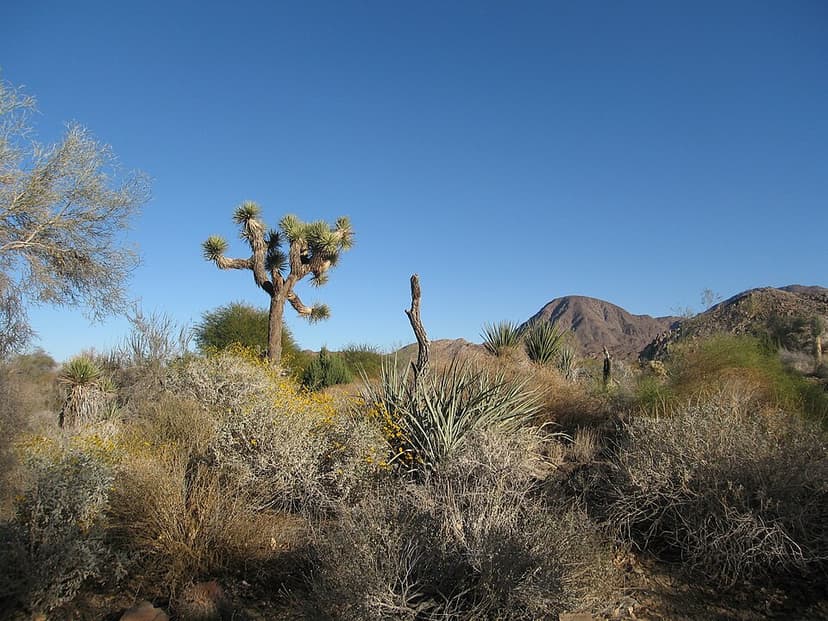
The Living Desert Zoo and Gardens is a non-profit zoo and desert botanical garden located in Palm Desert, California. Spanning 1,200 acres, with 80 developed for exhibits, it houses over 500 animals from more than 150 species and serves as a significant center for desert conservation and education. The institution is recognized for its extensive plant collections and participation in species reintroduction programs.

Pairi Daiza
Pairi Daiza is a privately owned zoo and botanical garden located in Brugelette, Hainaut, Belgium. Situated on the grounds of a former Cistercian abbey, it is recognized for its extensive themed "worlds" that recreate diverse natural habitats and cultural landscapes, housing over 7,000 animals. The park's name derives from an Avestan term meaning "paradise," reflecting its ambition to offer an immersive experience for visitors.

Zoo and Botanical Garden of Branféré
The Zoo and Botanical Garden of Branféré is a 35-hectare zoological park and botanical garden located in Le Guerno, Morbihan, Brittany, France. Originally a private estate, it was transformed into an "animal paradise" where exotic animals roam freely, opening to the public in 1965 and later bequeathed to the Fondation de France. It now houses nearly 1,000 animals from around 150 species within a historic botanical garden setting.