
Ponderosa Zoo
Ponderosa Zoo, originally established as the Ponderosa Rural Therapeutic Centre in 1991, is a zoo located in Heckmondwike, West Yorkshire, England. It evolved from a rare breeds farm to a licensed zoo, with a mission that began as a therapeutic initiative for disabled individuals and has expanded to include education on conservation.
Key Facts
- ›Opened in 1991 as Ponderosa Rural Therapeutic Centre, received zoo license in 2004.
- ›Located on an 80-acre plot of land in Heckmondwike, West Yorkshire, England.
- ›Originally founded to provide therapeutic benefits for disabled people through animals.
- ›As of May 2020, housed over 120 animals including servals, Scottish wildcats, and lemurs.
- ›Became a full member of the British and Irish Association of Zoos and Aquariums (BIAZA) in 2021.
- ›Co-founders Maureen and Howard Cook passed away in 2020 and 2023 respectively.

Reptile House, Lemur Lookout
Highland Cattle, Llamas, Wallabies, Emus, Water Buffalo, Marmosets, Serval, Scottish Wildcats, Lemurs, Reindeer, Coati, Otters, Raccoon Dogs
About Ponderosa Zoo
What is Ponderosa Zoo?
Ponderosa Zoo is a zoological facility located in Heckmondwike, West Yorkshire, England. It began its journey in 1991 as the Ponderosa Rural Therapeutic Centre, with a founding mission focused on using animals to foster therapeutic connections between disabled and able-bodied individuals. Over time, the center's scope expanded, and it was granted a zoo license in 2004, officially becoming Ponderosa Zoo.
History and Development
The site's origins trace back to 1988 when businessman Howard Cook MBE purchased a 50-acre tract of neglected farmland. Initially redeveloped for his building company, the land was later transformed into the Ponderosa Rural Therapeutic Centre by his family, who had ties to the learning disability charity Mencap. Early developments included a greenhouse built in collaboration with the Ravensthorpe Education Centre to aid horticultural skills. By 1991, under the direction of Howard Cook's wife, Maureen Cook, a 7-acre rare breeds farm was established, which eventually grew to house around 150 animals by 2002, including wallabies and water buffalo, with additions like llamas, emus, and deer arriving from another zoo.
Expansion and Modernization
The zoo's animal collection continued to grow, leading to the application for and granting of a zoo license in 2004. Following a nationwide outbreak of foot-and-mouth disease in 2002, which caused a temporary closure, the zoo received compensation that was invested in new attractions, including a reptile house and an aquatic centre. In 2017, Ponderosa Zoo became a provisional member of the British and Irish Association of Zoos and Aquariums (BIAZA) and later a full member in 2021. Recent years have seen the opening of new enclosures, such as the "Lemur Lookout" walkthrough in 2021, and also periods of financial challenge, including a reliance on crowdfunding during the COVID-19 pandemic. The zoo has also implemented enhanced security measures following incidents of vandalism.
Current Operations and Mission
Today, Ponderosa Zoo occupies an 80-acre site and features a variety of animal enclosures, along with visitor amenities like a cafe, restaurant, and play area. Its animal collection, which numbered over 120 individuals in 2020, includes species such as servals, Scottish wildcats, lemurs, and various reptiles. Beyond its therapeutic roots, the zoo's contemporary mission encompasses educating the public about wildlife conservation.
Source: Wikipedia ↗
Frequently Asked Questions
When did Ponderosa Zoo first open?
Ponderosa Zoo originally opened in 1991 as the Ponderosa Rural Therapeutic Centre. It was granted its zoo license in 2004 after its animal collection had grown significantly.
Where is Ponderosa Zoo located?
Ponderosa Zoo is situated in Heckmondwike, West Yorkshire, England. The zoo lies within an 80-acre plot of land.
What was the original purpose of Ponderosa Zoo?
The center was initially established as the Ponderosa Rural Therapeutic Centre with the founding mission to "bridge the gap" between disabled and able-bodied people by using animals for therapy.
What kind of animals can be seen at Ponderosa Zoo?
As of May 2020, the zoo's collection included over 120 animals such as servals, Scottish wildcats, lemurs, reindeer, coati, otters, and raccoon dogs, alongside various birds, reptiles, and small invertebrates.
Has Ponderosa Zoo been involved in any conservation efforts?
Yes, Ponderosa Zoo's mission has expanded to include educating people on conservation. It also became a full member of the British and Irish Association of Zoos and Aquariums (BIAZA) in 2021, indicating a commitment to zoo standards and conservation.
What notable facilities does Ponderosa Zoo have?
The zoo is laid out around a small lake and features various animal enclosures, a ticket office, a cafe, a lakeside restaurant, a reptile house, and an adventure play area.
Related Zoos
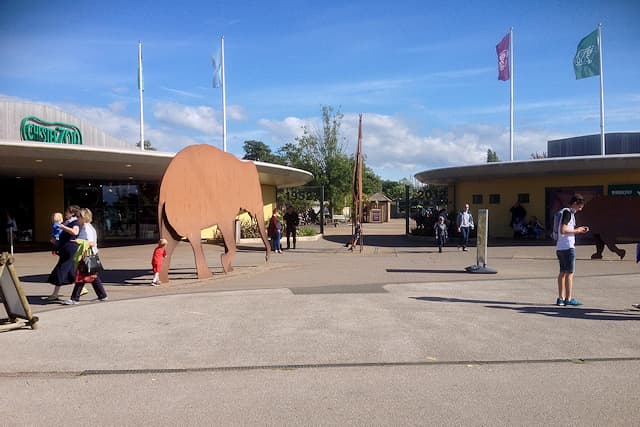
Chester Zoo
Chester Zoo, operated by the North of England Zoological Society, is a prominent wildlife attraction in Upton-by-Chester, England, and is recognized as one of the UK's largest zoos. It is a registered charity that receives no government funding and is celebrated for its extensive animal collection and significant conservation efforts, making it a highly visited and esteemed global zoo.

Lakeland Wildlife Oasis
Lakeland Wildlife Oasis is a zoological collection near Milnthorpe, Cumbria, England, with a distinct science and evolution theme. Operated by the registered charity Lakeland Trust for Natural Sciences since 2012, it aims to guide visitors through an evolutionary journey from marine life to mammals. The zoo is notable for its conservation efforts, particularly with endangered species like snow leopards.

Lakes Aquarium
The Lakes Aquarium is a significant tourist attraction located in Lakeside, Cumbria, England, on the southern shore of Windermere. Originally themed around the Lake District's waterways, it was re-branded in 2008 to focus on the world's lakes and is now owned by Spanish leisure company Parques Reunidos. It is recognized as the third most visited paying tourist attraction in Cumbria.