
Ree Park Safari
Ree Park Safari is a safari park located in Ebeltoft, Denmark, housing over 800 animals from 80 species across five continents. It offers visitors an immersive experience into the lives and behaviors of animals from Europe, Africa, North America, South America, and Asia, with a significant emphasis on the welfare and conservation of endangered species.
Key Facts
- ›Home to over 800 animals representing 80 different species.
- ›Located in Ebeltoft, Djursland, on the Jutland peninsula, Denmark.
- ›Founded in 1991, with its current name adopted in 2006.
- ›Focuses on providing species-tailored environments to promote natural behaviors.
- ›Actively involved in conservation efforts, particularly for endangered species.
- ›One of Northern Europe's largest centers for cheetahs.
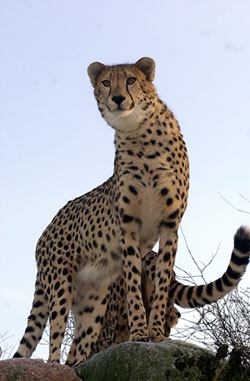
Cheetahs, European Bison, Sand Cat, African Wild Dog, American Black Bears
European Endangered Species Programme
About Ree Park Safari
Ree Park Safari is a significant safari park situated in Ebeltoft, on the Djursland peninsula of Denmark. Established in 1991, the park has evolved over the years, adopting its current name in 2006. It serves as a habitat for more than 800 animals, encompassing 80 distinct species sourced from five continents, offering guests an immersive experience into the natural world.
History and Evolution
The park began its journey as Ebeltoft Dyrepark in 1991, founded by Frans Kilde Hansen. It underwent ownership changes and name alterations, becoming Ebeltoft Zoo in 1993 under Lars Thye, and later Ebeltoft Zoo & Safari in 1998 with Merete and Henrik Elsass at the helm. The acquisition by Karsten Ree in 2006 marked the establishment of its present identity, Ree Park Safari. The park became a member of DAZA and EAZA in 2007, signifying its commitment to international zoo standards.
Animal Welfare and Enclosures
A core principle at Ree Park Safari is the welfare of animals in captivity. The park designs its environments to meticulously cater to the specific needs and instinctive behaviors of each species. For instance, American black bears are provided with access to tall trees and lakes to encourage their natural climbing and swimming activities. Cheetahs inhabit a hilly bush savannah, a feature designed to stimulate their predatory instincts by allowing them to survey areas mimicking their natural habitat, even without direct access to prey.
Focus on Endangered Species and Conservation
Beyond providing engaging wildlife encounters, Ree Park Safari places a substantial emphasis on the conservation of endangered species. As an active participant in the European Association of Zoos and Aquaria (EAZA), the park has achieved notable successes within the European Endangered Species Programme (EEP). A highlight of their conservation work includes the birth of nine cheetah cubs in 2007, positioning Ree Park Safari as a leading center for cheetahs in Northern Europe. Their conservation efforts also extend to the reintroduction of the endangered European bison into the wild, successful breeding of the rare sand cat, and dedicated work with the critically endangered African wild dog.
Source: Wikipedia ↗
Frequently Asked Questions
What animals can I see at Ree Park Safari?
Ree Park Safari is home to over 800 animals from 80 species, representing wildlife from Europe, Africa, North America, South America, and Asia. Visitors can gain insight into the lives and behaviors of these diverse animals.
What is the history of Ree Park Safari's name?
The park was originally founded as Ebeltoft Dyrepark in 1991. It was renamed Ebeltoft Zoo in 1993, then Ebeltoft Zoo & Safari in 1998, before being purchased by Karsten Ree in 2006 and renamed Ree Park Safari.
Does Ree Park Safari focus on conservation?
Yes, a major priority for Ree Park Safari is its extensive focus on endangered species. As a member of EAZA, the park has made significant contributions to the European Endangered Species Programme (EEP).
What conservation successes has Ree Park Safari achieved?
Ree Park Safari has celebrated successful breeding programs, including the birth of nine cheetahs in 2007, making it a major cheetah center in Northern Europe. They have also been involved in reintroducing the European bison into the wild and breeding the rare sand cat and endangered African wild dog.
How does Ree Park Safari ensure animal welfare?
The park prioritizes the welfare of wild animals in captivity by designing enclosures tailored to meet the special needs and instinctive behaviors of each species. For example, American black bears have access to trees and lakes, while cheetahs are housed in a hilly bush savannah.
Related Zoos
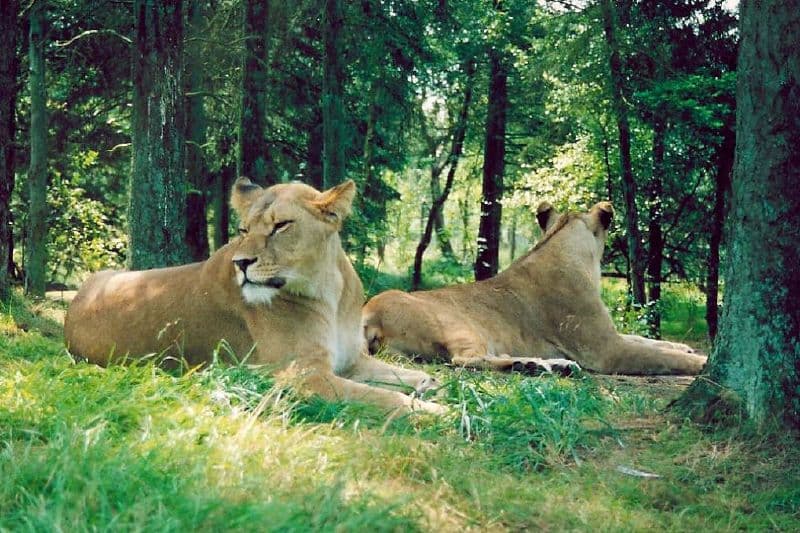
Givskud Zoo
Givskud Zoo, originally named Løveparken, is a zoo and safari park located in Givskud, Denmark. Opened in 1969, it is renowned for its large, drive-through enclosures that allow visitors to experience animals like lions, elephants, and rhinos in a more naturalistic setting. The park has evolved significantly, now housing over 700 animals from more than 70 species and attracting approximately 325,000 visitors annually.
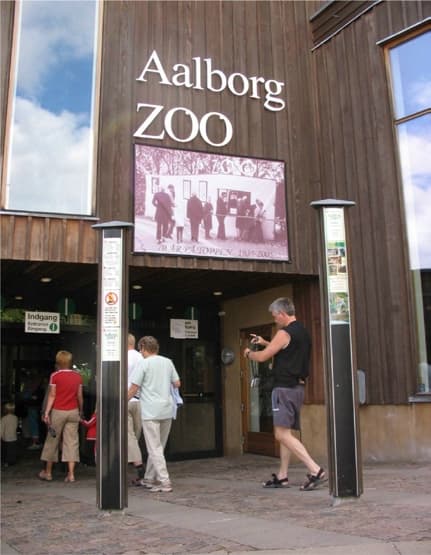
Aalborg Zoo
Aalborg Zoo is a zoological garden situated near the heart of Aalborg, Denmark, drawing approximately 375,000 visitors annually. It serves as a significant institution for animal conservation, actively participating in global breeding programs and environmental preservation projects, including supporting rainforest conservation in Ecuador.

Copenhagen Zoo
Copenhagen Zoo, established in 1859, is one of Europe's oldest zoological gardens. Located in Frederiksberg, Denmark, it spans 11 hectares and attracts over 1.3 million visitors annually, making it a significant Danish attraction. The zoo is notable for its modern enclosures, including a unique panda habitat designed by Bjarke Ingels Group and an elephant house by Norman Foster, and is a key participant in European breeding programs.