
Split Zoo
Split Zoo, also known as the Split Science Museum and Zoological Garden, was a zoological institution located on Marjan hill in Split, Croatia. It faced significant criticism for animal welfare conditions, leading to its eventual closure and relocation of animals. The site has since been repurposed by an artists' collective to find new purposes for the remaining animals, aiming to raise awareness and ensure their care.
Key Facts
- ›The Split Zoo was located on Marjan hill in Split, Croatia.
- ›It was part of the Split Science Museum.
- ›Animal rights groups protested conditions at the zoo for years.
- ›The zoo announced its closure and relocation of animals in 2014.
- ›An artists' collective took over in 2015 to find new purposes for the remaining animals.
- ›Since 2016, artists have been invited for residencies to create projects with and for the donkeys.

Donkeys
About Split Zoo
Split Zoo, officially known as the Split Science Museum and Zoological Garden (Croatian: Prirodoslovni muzej i zoološki vrt grada Splita), was a zoological institution situated on Marjan hill in Split, Croatia. The museum itself presented collections related to mineralogy and geology.
History and Closure
The zoo faced significant criticism from animal rights groups for many years, leading to protests regarding the welfare of its animals. Despite these concerns, the situation for the animals reportedly did not improve, and shocked tourists frequently lodged complaints with Croatian animal protection groups. In 2014, the zoo announced its intention to close and relocate all its animals.
Artistic Repurposing
Following the zoo's closure in 2014, an artists' collective, founded by artist Hrvoje Cokarich, intervened in June 2015 to assist the remaining animals. Recognizing that animals or objects without a perceived purpose often face neglect, the collective sought to establish new roles for the animals. Their aim was to generate publicity and demonstrate the utility or potential profit from these new purposes, thereby encouraging public and governmental support for the animals' care.
Since 2016, the collective has invited national and international artists to participate in week-long residencies. These artists develop projects focused on or involving the donkeys, seeking to create alternative purposes that help prevent their extinction and ensure their continued well-being. Numerous artists, including Hrvoje Cokaric, Vanja Pagar, and Darko Skrobonja, have participated in this initiative.
Source: Wikipedia ↗
Frequently Asked Questions
When did Split Zoo close?
Split Zoo announced its closure and the relocation of all its animals in 2014. The museum and zoo officially closed their doors that year.
What happened to the animals after the zoo closed?
After the zoo closed, an artists' collective decided to help the remaining animals. They have been working to find new purposes for the animals, particularly donkeys, through artistic projects.
What is the current purpose of the Split Zoo site?
The former Split Zoo site is now part of an initiative by an artists' collective. They invite artists to create projects with and for the animals, aiming to give them a new purpose and ensure their continued care.
Why did Split Zoo face criticism?
Split Zoo faced years of protests from animal rights groups due to the conditions of the animals. Complaints from tourists regarding the animals' welfare were also regularly received.
Related Zoos
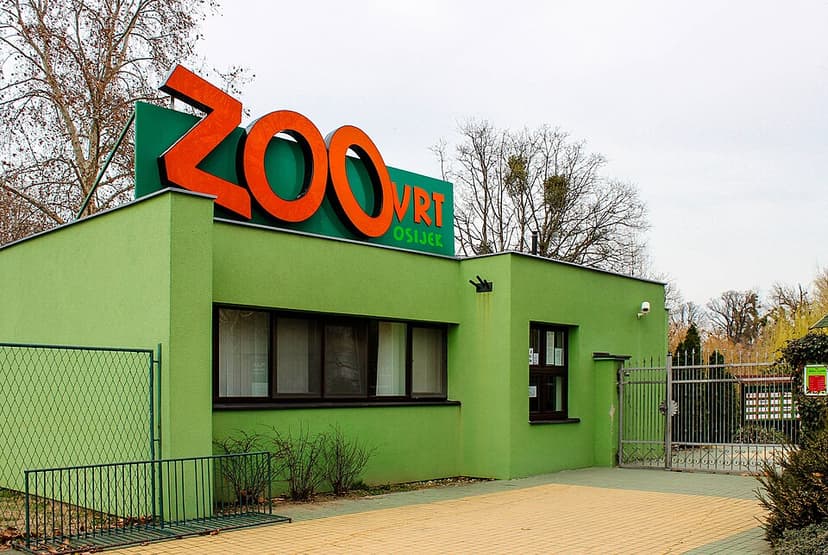
Osijek Zoo
Osijek Zoo and Aquarium is the largest zoo in Croatia, situated on 11 hectares along the Drava River opposite the city of Osijek. Opened in 1955, it houses approximately 1,000 animals from 103 different species, making it a significant zoological institution in the region.

Zagreb Zoo
Zagreb Zoo, located within Maksimir Park in Zagreb, Croatia, is a significant zoological institution and one of three zoo parks in the country. Established in 1925, it has grown from a humble collection of five animals to house over 7,000 individuals across 383 species, making it the largest zoo in Croatia and a key participant in European conservation programs.
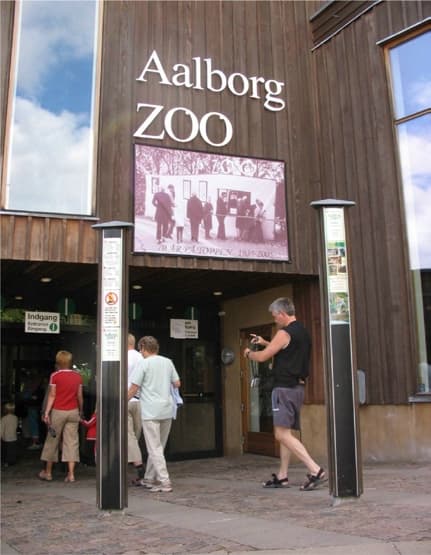
Aalborg Zoo
Aalborg Zoo is a zoological garden situated near the heart of Aalborg, Denmark, drawing approximately 375,000 visitors annually. It serves as a significant institution for animal conservation, actively participating in global breeding programs and environmental preservation projects, including supporting rainforest conservation in Ecuador.