
Zagreb Zoo
Zagreb Zoo, located within Maksimir Park in Zagreb, Croatia, is a significant zoological institution and one of three zoo parks in the country. Established in 1925, it has grown from a humble collection of five animals to house over 7,000 individuals across 383 species, making it the largest zoo in Croatia and a key participant in European conservation programs.
Key Facts
- ›Covers 7 hectares (17 acres) within Maksimir Park.
- ›Founded on June 27, 1925, by Mijo Filipović.
- ›Houses over 7,000 animals representing 383 species.
- ›Participates in the European Endangered Species Programme.
- ›Features historical architectural elements like the Lions Bridge and the Enchanted Palace.
- ›Underwent major renovation and modernization beginning in 1990.

Tropical House, Lion Enclosure, Aviary For African Birds, Duh Monsunskih šUma Pavilion
Nile Crocodile
European Endangered Species Programme
About Zagreb Zoo
Zagreb Zoo, officially known as Zoološki vrt Grada Zagreba, is a prominent zoological park situated within the expansive Maksimir Park in Zagreb, Croatia. It holds the distinction of being one of the three zoo parks in the country and is recognized as the largest zoo in Croatia. Its establishment dates back to June 27, 1925, making it the oldest zoo in Southeast Europe.
History and Development
The foundation of Zagreb Zoo was initiated by engineer Mijo Filipović, with the backing of the then mayor of Zagreb, architect Vjekoslav Heinzel. Originally opened on Swan Island, it began with a modest collection of just five animals: three foxes and two tawny owls. Over the decades, the zoo has undergone significant expansion and development. Key periods of landscaping and modernization occurred in the 1930s, 1950s, and a more extensive phase that commenced in the 1990s and continues to the present day.
Major renovations and architectural improvements have shaped the zoo's modern landscape. The Tropical House was constructed in 1972, and a notable long-term resident, a Nile crocodile, moved in during that year. The 1990s marked the beginning of a comprehensive reconstruction and modernization effort, which included providing animals with more spacious and contemporary dwellings and relocating those for whom adequate space could not be provided. More recent enhancements include the creation of an 1,800-square-meter lion enclosure in 2014, featuring a lion cave and savanna-like islands, and the opening of an aviary for African birds in 2017, designed to allow visitors a barrier-free viewing experience.
Architecture and Features
Zagreb Zoo is characterized by several historical and architecturally significant structures. Among the most famous is the Lions Bridge (Lavlji most), adorned with four stone lions. At the zoo's entrance stands the 'Enchanted Palace,' a tower dating from 1926, which once served as a dwelling for bears and wolves. Other notable architectural elements include large Egyptian statues, approximately 5 meters tall, and the Neapolitan Fisherman statue near the lake.
Animals and Conservation
Currently, Zagreb Zoo is home to over 7,000 animals, representing 383 distinct species. The zoo actively participates in global conservation efforts, holding memberships in the European Association of Zoos and Aquariums (EAZA) and the World Association of Zoos and Aquariums (WAZA). It is also a participant in the European Endangered Species Programme (EEP), demonstrating a commitment to the protection of threatened wildlife.
Source: Wikipedia ↗
Frequently Asked Questions
When was Zagreb Zoo established?
Zagreb Zoo was established on June 27, 1925, making it the oldest zoo in Southeast Europe. The idea of establishing a zoo had been promoted earlier, starting in 1905.
What was the initial collection of animals at Zagreb Zoo?
When Zagreb Zoo opened its doors in 1925, it initially housed only five animals. These consisted of three foxes, donated by August Langhoffer, and two tawny owls, brought in by Petar Dimec.
How has Zagreb Zoo evolved in size and animal collection?
Starting with five animals and covering a small area, Zagreb Zoo now spans seven hectares and is home to over 7,000 animals from 383 different species. It has grown to become the largest zoo in Croatia.
What are some notable architectural features of Zagreb Zoo?
The zoo boasts several cherished historical architectural elements. These include the Lions Bridge with its four stone lions, and the 'Enchanted Palace' tower, which dates back to 1926 and originally housed bears or wolves.
What major renovations has Zagreb Zoo undergone?
A significant period of renovation and modernization began in 1990, aiming to provide animals with larger and more suitable housing. Further updates have included the construction of a new lion enclosure in 2014 and the opening of an aviary for African birds in 2017.
Is Zagreb Zoo involved in conservation efforts?
Yes, Zagreb Zoo is actively involved in global organizations for the conservation of endangered species. It is a member of the European and World Association of Zoos and Aquariums and participates in the European Endangered Species Programme.
Related Zoos
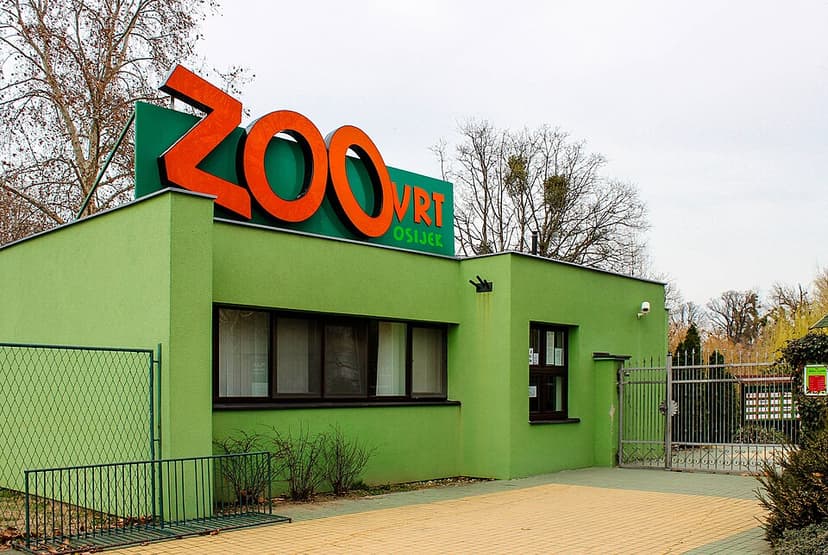
Osijek Zoo
Osijek Zoo and Aquarium is the largest zoo in Croatia, situated on 11 hectares along the Drava River opposite the city of Osijek. Opened in 1955, it houses approximately 1,000 animals from 103 different species, making it a significant zoological institution in the region.

Split Zoo
Split Zoo, also known as the Split Science Museum and Zoological Garden, was a zoological institution located on Marjan hill in Split, Croatia. It faced significant criticism for animal welfare conditions, leading to its eventual closure and relocation of animals. The site has since been repurposed by an artists' collective to find new purposes for the remaining animals, aiming to raise awareness and ensure their care.
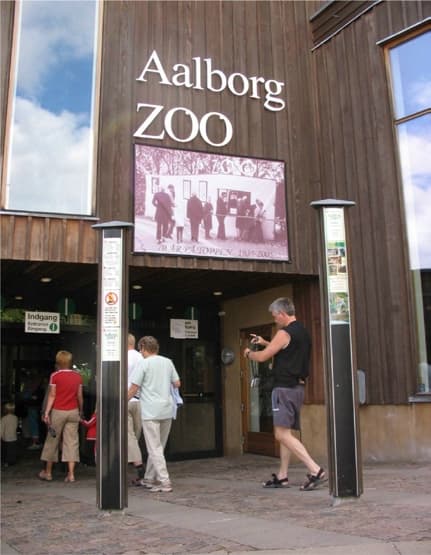
Aalborg Zoo
Aalborg Zoo is a zoological garden situated near the heart of Aalborg, Denmark, drawing approximately 375,000 visitors annually. It serves as a significant institution for animal conservation, actively participating in global breeding programs and environmental preservation projects, including supporting rainforest conservation in Ecuador.