
Stara Zagora Zoo
Stara Zagora Zoo is a zoological garden located in Ayazmoto Park in Stara Zagora, Bulgaria. Established in 1957, it became the second zoo in the country and has since developed a range of animal enclosures within its park setting.
Key Facts
- ›Established on April 26, 1957.
- ›Located in Ayazmoto Park, Stara Zagora, Bulgaria.
- ›Covers an area of 70 acres.
- ›Became the second zoological garden in Bulgaria.
- ›Initial animal donation was a fallow deer in 1956.
- ›Bear cubs captured in the Shipchenska Mountain were among the first animals.
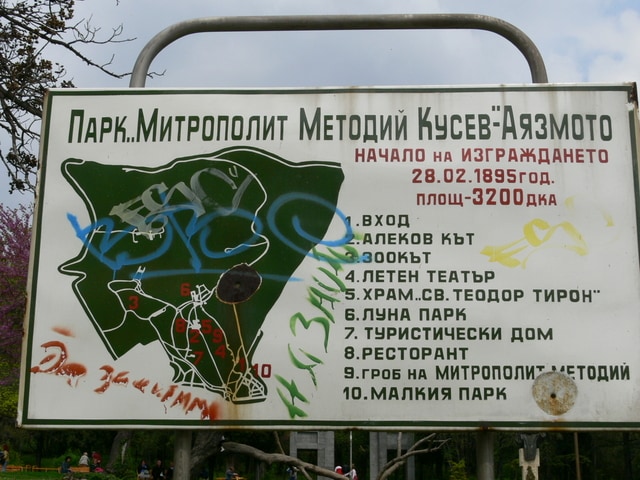
About Stara Zagora Zoo
Stara Zagora Zoo is a zoological garden located in the Ayazmoto Park in Stara Zagora, Bulgaria. Formally established on April 26, 1957, it holds the distinction of being the second zoological garden founded in Bulgaria, following the Sofia Zoo.
History and Development
The genesis of Stara Zagora Zoo can be traced back to 1956 when a fallow deer, having escaped from the Ormana forested area near Yambol, was captured and subsequently donated to the city's Gardens and Parks department. This event prompted the City's People's Council to initiate the creation of a zoo. The following year, on March 24, 1957, two bear cubs, captured by hunters in the Shipchenska Mountain, were also donated and are often cited as the zoo's first animals. The formal establishment of the zoo occurred the next month.
The initial enclosure from the 1950s was a fenced area of approximately 4 hectares, situated about half a kilometer east of the present zoo's location. The decision for the current, significantly larger zoological garden was made by the municipality on June 13, 1961, though construction did not commence until 1965. Throughout the late 1960s and 1970s, habitats for various animals, including bears, lions, and monkeys, were constructed. By 1978, the essential infrastructure for the zoo was largely in place.
Source: Wikipedia ↗
Frequently Asked Questions
When was Stara Zagora Zoo established?
Stara Zagora Zoo was formally established on April 26, 1957. The initial decision to create a zoo was made earlier, following the donation of a fallow deer in 1956 and the capture of bear cubs in early 1957.
Where is Stara Zagora Zoo located?
The zoo is situated in Ayazmoto Park in the city of Stara Zagora, Bulgaria. It occupies a specific area within the park known as 'Holy Spring'.
What was the origin of Stara Zagora Zoo?
The zoo's origins trace back to 1956 when a fallow deer was donated to the city's Gardens and Parks department. This led to a decision by the City's People's Council to begin establishing a zoo.
What were some of the first animals at Stara Zagora Zoo?
A fallow deer, donated in 1956, is often cited as an early acquisition. Additionally, a pair of baby bears, captured in the Shipchenska Mountain in March 1957, are frequently mentioned as being among the zoo's first animals.
How large is Stara Zagora Zoo?
Stara Zagora Zoo occupies an area of 70 acres. The current, larger zoological garden was planned in 1961 and construction began in 1965.
Related Zoos

Lovech Zoo
Lovech Zoo is situated within Stratesh Park in the city of Lovech, Bulgaria. While specific details about its founding and animal collection are limited in available records, the zoo gained attention due to an incident involving an escaped jaguar in 2014.

Sofia Zoo
Sofia Zoo is the oldest and largest zoological garden in Southeast Europe, located in Sofia, Bulgaria. Founded by royal decree in 1888, it has evolved from its initial location in the former royal palace gardens to a sprawling 36-hectare site. The zoo plays a role in regional conservation efforts, particularly since becoming a member of the European Association of Zoos and Aquaria (EAZA) in 2023.
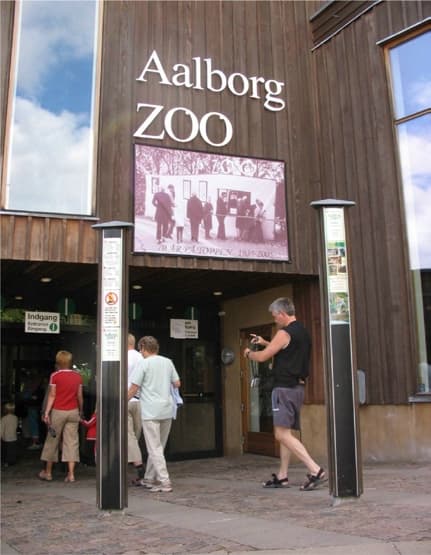
Aalborg Zoo
Aalborg Zoo is a zoological garden situated near the heart of Aalborg, Denmark, drawing approximately 375,000 visitors annually. It serves as a significant institution for animal conservation, actively participating in global breeding programs and environmental preservation projects, including supporting rainforest conservation in Ecuador.