
Sofia Zoo
Sofia Zoo is the oldest and largest zoological garden in Southeast Europe, located in Sofia, Bulgaria. Founded by royal decree in 1888, it has evolved from its initial location in the former royal palace gardens to a sprawling 36-hectare site. The zoo plays a role in regional conservation efforts, particularly since becoming a member of the European Association of Zoos and Aquaria (EAZA) in 2023.
Key Facts
- ›Founded by royal decree on May 1, 1888.
- ›Covers an area of 36 hectares (89 acres).
- ›Housed approximately 4,850 animals representing 840 species in March 2006.
- ›Currently hosts about 2000 animals from 280 different species.
- ›Became a member of the European Association of Zoos and Aquaria (EAZA) in April 2023.
- ›Located in Sofia, the capital city of Bulgaria.

- Grazing animals (white rhinos, hippopotamus, elephant, zebras, antelopes, etc.)
- Primates (ring-tailed lemurs, hamadryas baboons, macaques, etc.)
- Predators (lions, tigers, leopards, pumas, brown bears)
- Penguins (Humboldt penguins)
- Birds (ostriches, pheasants, flamingos, macaws, etc.)
- Large walk-through aviary
Eurasian Black Vulture, Lions, Brown Bears, Humboldt Penguins
- Participation in international programs for conservation and breeding of over 400 rare and endangered species (via EAZA membership)
About Sofia Zoo
Sofia Zoo is the oldest and largest zoological garden in Southeast Europe, situated in Sofia, the capital of Bulgaria. It was established by royal decree on May 1, 1888, and has a rich history of growth and development.
History and Development
Initially located in the park of the former royal palace, Sofia Zoo's collection began with a Eurasian black vulture and later expanded to include pheasants and deer. Significant developments occurred when Tsar Ferdinand of Bulgaria granted land from the former botanical garden to accommodate a growing collection, including a pair of lions in 1892 and specialized buildings for bears, pelicans, pheasants, and eagles between 1893 and 1895. In 1982, the zoo relocated to its current, much larger 36-hectare site approximately 4.5 kilometers south of the city.
A significant milestone in recent years was Sofia Zoo's admission to the European Association of Zoos and Aquaria (EAZA) in April 2023. This membership opens doors to new quotas for obtaining animals, facilitates exchanges with other European zoos, and provides access to international conservation and breeding programs for a wide array of rare and endangered species. It also offers modern training opportunities for zoo specialists and access to a knowledge-sharing platform.
Exhibits and Facilities
Sofia Zoo houses a diverse array of animals across various sectors. The grazing animal section features about 80 individuals from 20 species, including white rhinos, hippopotamuses, elephants, zebras, and various antelopes. The primate section is home to 93 individuals from 19 species, such as ring-tailed lemurs, hamadryas baboons, and macaques. The predator sector includes large cats like lions and tigers, as well as bears and smaller predators. In January 2011, the zoo also hosted eight Humboldt penguins on loan for a period. The bird collection is extensive, with some 1,400 individuals representing 192 species, including waterbirds on a lake and raptors in a large walk-through aviary. The zoo also maintains a veterinary clinic with a separate public entrance.
Animal Population
In March 2006, Sofia Zoo reported housing approximately 4,850 animals representing 840 species. Current figures indicate about 2000 animals from 280 different species. An incident in 2009 highlighted the challenges faced by the zoo when a disruption in gas supply led to a shutdown of its central heating, requiring employees to use portable heaters to protect vulnerable animals from the cold.
Source: Wikipedia ↗
Frequently Asked Questions
When was Sofia Zoo established?
Sofia Zoo was established by royal decree on May 1, 1888. This makes it the oldest zoological garden in Southeast Europe.
How large is Sofia Zoo?
Sofia Zoo covers an area of 36 hectares, which is equivalent to 89 acres. It moved to this larger site in 1982.
What is the current number of animals and species at Sofia Zoo?
As of recent information, Sofia Zoo hosts approximately 2000 animals representing 280 different species. This is a reduction from earlier figures in 2006.
What notable animal exhibits can be found at Sofia Zoo?
Sofia Zoo features a diverse range of exhibits including grazing animals like rhinos and elephants, primates such as lemurs and baboons, and predators like lions and tigers. It also has a dedicated penguin enclosure and a large collection of birds.
What benefits did joining EAZA bring to Sofia Zoo?
Membership in the European Association of Zoos and Aquaria (EAZA) grants Sofia Zoo new opportunities for animal acquisition and exchange with other zoos. It also provides access to international conservation and breeding programs for rare and endangered species.
What is the ticket pricing for Sofia Zoo?
In 2026, ticket prices are 2.56 EUR for visitors aged 3-18, students, pensioners, and disabled persons. Visitors over 18 years old are charged 5.11 EUR, and children under 3 can visit free of charge.
Related Zoos

Lovech Zoo
Lovech Zoo is situated within Stratesh Park in the city of Lovech, Bulgaria. While specific details about its founding and animal collection are limited in available records, the zoo gained attention due to an incident involving an escaped jaguar in 2014.
Stara Zagora Zoo
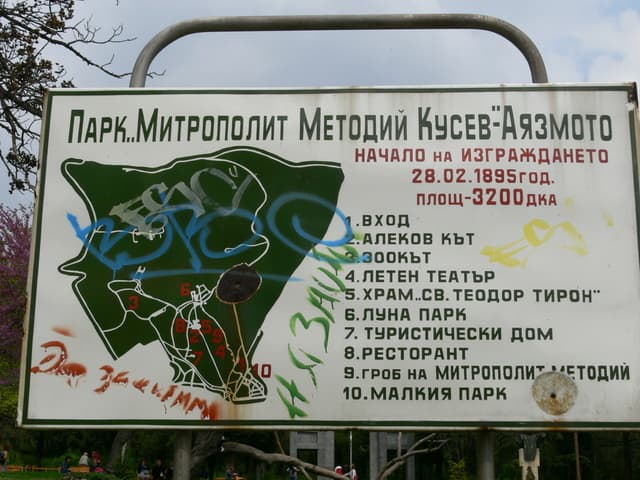
Stara Zagora Zoo is a zoological garden located in Ayazmoto Park in Stara Zagora, Bulgaria. Established in 1957, it became the second zoo in the country and has since developed a range of animal enclosures within its park setting.
Adelaide Zoo
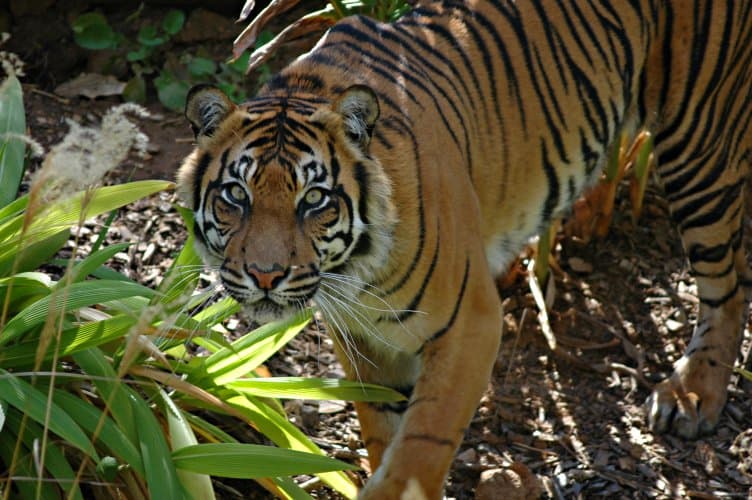
Adelaide Zoo, established in 1883, is Australia's second-oldest zoo and operates on a non-profit basis. Situated north of Adelaide's city center, it is managed by the Royal Zoological Society of South Australia and is a key institution for wildlife conservation and public education in the region.