
Tallinn Zoo
Tallinn Zoo, established in 1939, is Estonia's sole zoological institution and the most visited zoo in the Baltic states since 2009. It relocated to its current 89-hectare site in 1983 and houses a diverse collection of animals, including the world's largest mountain goat and sheep collection, and is actively involved in conservation efforts.
Key Facts
- ›Founded in 1939.
- ›Relocated to its current 89-hectare (220-acre) site in 1983.
- ›Houses 13,336 animals representing 548 species (as of 2012).
- ›Features the world's largest mountain goat and sheep collection.
- ›Has successfully bred Amur leopards, black rhinoceroses, and snow leopards.
- ›Actively participates in a European mink conservation mission.
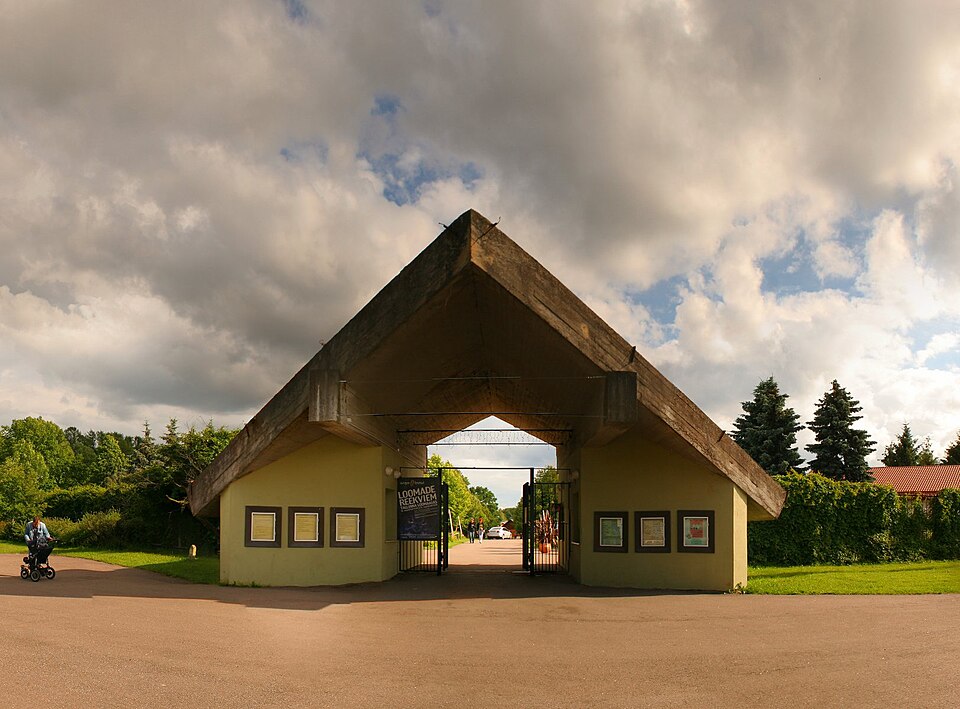
- Tropic houses (crocodiles, reptiles, fish, exotic birds, marmosets, chimpanzees, mongooses)
- Elephant House (snakes, African elephants, black rhinos, pygmy hippos, armadillos, rodents)
- Alpinarium (mountain sheep, ibex, snow leopards)
- Middle-Asia Complex (Przewalski's horses, Bactrian camels, bison, yak, hyaenas)
- Hawk Mountain (eagles, vultures, owls)
Illu the Lynx, Amur Leopard, Black Rhinoceros, Snow Leopard, European Mink
European Mink Mission, Breeding Programs For Amur Leopard, Breeding Programs For Long-Tailed Goral, Breeding Programs For Steller's Sea Eagle, Breeding Programs For Black Rhinoceros, Breeding Programs For Snow Leopards
About Tallinn Zoo
Tallinn Zoo, officially known as Tallinna Loomaaed, is the sole zoological garden in Estonia. Founded on August 25, 1939, it has grown to become the most visited zoo in the Baltic states since 2009. The zoo's initial exhibit was a young lynx named Illu, who later became the zoo's emblem animal. Following a period of delayed development due to historical circumstances, Tallinn Zoo relocated to its current expansive 89-hectare (220-acre) site in the Veskimetsa district in 1983.
Animals and Exhibits
The zoo is recognized for housing the world's largest collection of mountain goats and sheep, alongside a substantial collection of eagles and owls. Its facilities include two tropic houses that shelter a variety of reptiles, fish, exotic birds, and primates such as marmosets and chimpanzees. The Elephant House, constructed in 1989, is home to African elephants, black rhinos, pygmy hippos, snakes, and various rodents. The Alpinarium, established in 2004, features mountain sheep, ibex, and snow leopards. The Middle-Asia Complex, built in 2002, showcases animals like Przewalski's horses, Bactrian camels, bison, yak, and hyenas. Hawk Mountain is dedicated to birds of prey, including eagles, vultures, and owls.
Conservation and Future
Tallinn Zoo is deeply committed to wildlife conservation and has achieved notable success in breeding programs for endangered species. These include the Amur leopard, long-tailed goral, Steller's sea eagle, black rhinoceros, and snow leopards. The zoo is actively involved in a significant European mink mission, aiming to release these animals back into the wild. The institution is currently undergoing a major modernization program to update its facilities, with plans for new exhibits for bears, wolves, and tigers.
Source: Wikipedia ↗
Frequently Asked Questions
When was Tallinn Zoo founded?
Tallinn Zoo was formally opened on August 25, 1939. Its initial exhibit was a young lynx named Illu, who was brought back by marksmen who had won a World Champion title in Helsinki.
Where is Tallinn Zoo located?
Tallinn Zoo is located in the Veskimetsa district of Tallinn, Estonia. It was relocated to this 89-hectare site in 1983 from its original location on the edge of Kadriorg Park.
What are some notable animal collections at Tallinn Zoo?
Tallinn Zoo boasts the world's largest mountain goat and sheep collection, as well as a significant eagle and owl collection. It also houses a diverse range of animals in its tropic houses and specialized complexes.
What conservation programs is Tallinn Zoo involved in?
Tallinn Zoo is committed to conservation and breeding programs. They have successfully bred endangered species like the Amur leopard, black rhinoceros, and snow leopards. They are also engaged in a European mink mission to reintroduce these animals into the wild.
What facilities are available at Tallinn Zoo?
The zoo features two tropic houses with reptiles, fish, and primates, as well as an Elephant House built in 1989 which houses elephants, rhinos, hippos, and snakes. Other complexes include the Alpinarium and the Middle-Asia Complex.
Has Tallinn Zoo experienced any notable incidents?
In late 2007, a polar bear escaped and died after being tranquilized. In July 2004, a man's hand was bitten off by a polar bear when he attempted to offer it a cookie.
Related Zoos

Elistvere Animal Park
Elistvere Animal Park is a zoological park located in Tartu County, Estonia, dedicated to showcasing the native fauna of the country. Operated by the State Forest Management Centre, it aims to present animals in naturalistic environments, provide educational programs, and serve as a sanctuary for injured or orphaned wildlife. The park has seen growing visitor numbers, reaching a record 79,000 in 2020.
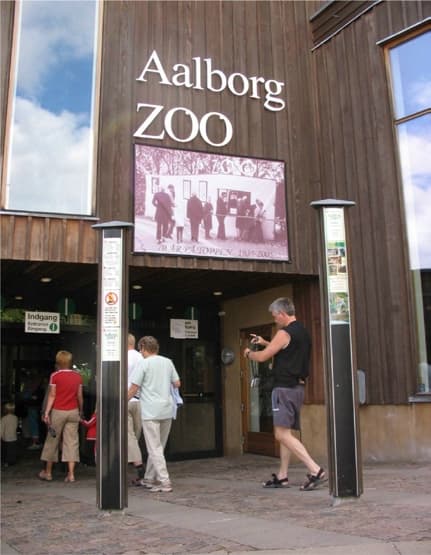
Aalborg Zoo
Aalborg Zoo is a zoological garden situated near the heart of Aalborg, Denmark, drawing approximately 375,000 visitors annually. It serves as a significant institution for animal conservation, actively participating in global breeding programs and environmental preservation projects, including supporting rainforest conservation in Ecuador.
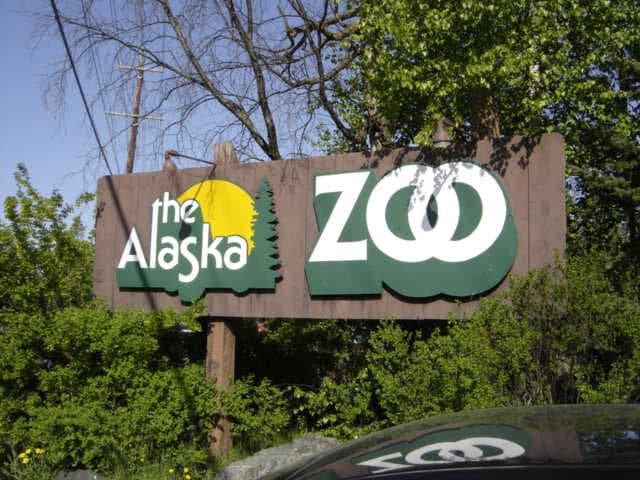
Alaska Zoo
The Alaska Zoo, located in Anchorage, Alaska, is a popular attraction focused on showcasing animals native to the state alongside exotic species. It plays a significant role in education, research, wildlife conservation, and animal rehabilitation, often housing orphaned or injured animals.