
Alaska Zoo
The Alaska Zoo, located in Anchorage, Alaska, is a popular attraction focused on showcasing animals native to the state alongside exotic species. It plays a significant role in education, research, wildlife conservation, and animal rehabilitation, often housing orphaned or injured animals.
Key Facts
- ›Located on 25 acres in Anchorage, Alaska.
- ›Founded in 1969 as the Alaska Children's Zoo, renamed Alaska Zoo in 1980.
- ›Home to over 100 birds and mammals representing approximately 50 species.
- ›Features a wide variety of animals native to Alaska, as well as exotics like Amur tigers and Bactrian camels.
- ›Actively involved in conservation programs for tigers, snow leopards, and polar bears.
- ›Specializes in education, research, and animal rehabilitation.
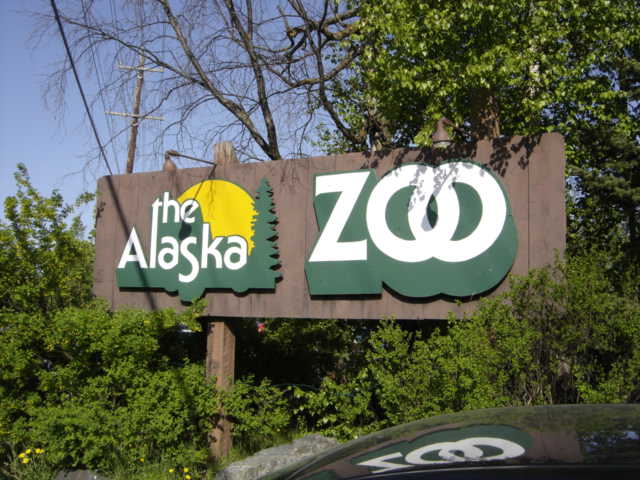
Annabelle, Binky, Maggie, Grubby
Species Survival Program For Tigers, Species Survival Program For Snow Leopards, Polar Bear International
About Alaska Zoo
The Alaska Zoo
The Alaska Zoo, located in Anchorage, Alaska, is a significant zoological institution dedicated to the exhibition, education, research, and conservation of wildlife. Situated on 25 acres within the Anchorage Hillside, it serves as a popular attraction, drawing nearly 200,000 visitors annually.
History and Founding
The zoo's origins trace back to 1966 when Anchorage grocer Jack Snyder won a baby elephant named Annabelle in a contest. Annabelle was initially housed at Sammye Seawell's Diamond H Horse Ranch. Recognizing the public's fascination, Seawell established a non-profit corporation to create a place for the public to visit and learn about animals. The institution was incorporated on March 28, 1968, as the Alaska Children's Zoo and officially opened in 1969 with Annabelle and other donated animals. The zoo's name was officially changed to Alaska Zoo in June 1980.
Animal Collection and Focus
The Alaska Zoo currently houses over 100 birds and mammals, representing approximately 50 species. A key feature is its collection of animals native to Alaska, alongside exotic species such as Amur tigers, Bactrian camels, and yaks. The zoo distinguishes itself through its commitment to education, research, wildlife conservation, and animal rehabilitation, often providing homes for orphaned or injured animals.
Notable Residents and Incidents
Several animals have become particularly well-known. Annabelle, the founding elephant, resided at the zoo until her death in 1997. Binky, a polar bear, gained international attention in 1994 due to incidents involving visitors entering his enclosure, though the current exhibit is designed to be human-proof. Maggie, an African elephant, joined Annabelle in 1983 and was later moved to a sanctuary in California in 2007. More recently, Grubby, an opossum considered an invasive species in Alaska, was brought to the zoo to join their invasive species collection.
Conservation and Education
The Alaska Zoo actively participates in conservation efforts, including Species Survival Programs for tigers and snow leopards, and supports Polar Bear International. They also collaborate with the University of Alaska Anchorage on animal husbandry and research. These initiatives underscore the zoo's role not just as an exhibition space but as a center for learning and wildlife preservation.
Source: Wikipedia ↗
Frequently Asked Questions
What is the history of the Alaska Zoo?
The Alaska Zoo began in 1969 as the Alaska Children's Zoo, founded by Sammye Seawell after she acquired a baby elephant named Annabelle. The zoo was incorporated as a non-profit on March 28, 1968, and later changed its name to Alaska Zoo in June 1980.
What are some notable animals that have lived at the Alaska Zoo?
Notable animals include Annabelle, an Asian elephant who was one of the zoo's first residents, and Binky, a polar bear who gained international attention. Maggie, an African elephant, also resided at the zoo for many years, and Grubby, an opossum, was added to their invasive species collection.
What conservation efforts does the Alaska Zoo undertake?
The Alaska Zoo is proactive in conservation, participating in Species Survival Programs for tigers and snow leopards. They also support Polar Bear International and engage in animal husbandry and research in partnership with the University of Alaska Anchorage.
What types of animals can visitors see at the Alaska Zoo?
Visitors can see a wide variety of animals, including those native to Alaska, such as bears, foxes, and seals, as well as exotic species like Amur tigers, Bactrian camels, and yaks. The zoo houses over 100 birds and mammals from about 50 species.
What is the size of the Alaska Zoo?
The Alaska Zoo is situated on 25 acres of land within the Anchorage Hillside.
Related Zoos

Audubon Zoo
Audubon Zoo, located in New Orleans, Louisiana, is a significant zoological park and a part of the Audubon Nature Institute. It is renowned for its diverse animal collections, engaging exhibits like the "Jaguar Jungle" and "African Savanna," and its historical presence dating back to the 1884 World's Fair. The zoo plays a vital role in conservation and education, serving as a popular destination for both locals and tourists.
Brookfield Zoo Chicago
Brookfield Zoo Chicago, formerly known as Brookfield Zoo, is a prominent zoological park located in Brookfield, Illinois, and is the largest zoo in the Chicago metropolitan area. It is recognized internationally for its innovative use of moats and ditches instead of traditional cages and for being the first U.S. zoo to exhibit giant pandas. The zoo plays a significant role in animal conservation and public education.

Phoenix Zoo
The Phoenix Zoo, established in 1962, is the largest privately owned nonprofit zoo in the United States. Situated on 125 acres in Phoenix, Arizona, it is dedicated to animal conservation and education, housing over 1,400 animals across four themed trails.